
Recommendation Systems Explained: How Netflix and Spotify Know What You'll Love
How AI knows what you love

Have you ever wondered how Netflix seems to know exactly what show you'll binge next, or how Spotify creates playlists that feel personally curated just for you? The answer lies in recommendation systems – sophisticated algorithms that predict what content you'll enjoy based on your behavior and preferences.
What Are Recommendation Systems?
Recommendation systems are like digital matchmakers. They analyze patterns in user behavior, content characteristics, and community preferences to suggest items you're likely to enjoy. These systems power the "Recommended for You" sections across most digital platforms, from streaming services to e-commerce sites.
The goal is simple: keep you engaged by showing you content you'll love, reducing the overwhelming paradox of choice that comes with millions of options.

The Three Main Approaches
1. Collaborative Filtering: "People Like You Also Liked..."
Collaborative filtering works on a simple principle: if you and another user have similar tastes, you'll probably enjoy what they enjoy.
How it works:
- The system identifies users with similar viewing or listening patterns to yours
- It recommends content that these "taste twins" enjoyed but you haven't tried yet
- No need to understand what the content is actually about, just patterns in preferences
Real-world example: If you and Sarah both loved the same 15 shows on Netflix, and Sarah recently binged a new thriller series you haven't seen, Netflix will likely recommend it to you.
The challenge: This approach struggles with the "cold start problem", it can't recommend anything to brand new users who haven't rated or watched anything yet.
2. Content-Based Filtering: "More Like What You Already Love"
Content-based filtering focuses on the characteristics of the items themselves rather than other users' behavior.
How it works:
- The system analyzes attributes of content you've enjoyed (genre, actors, director, tempo, instruments, mood)
- It finds other items with similar characteristics
- Recommendations are based on matching these features to your preferences
Real-world example: If you frequently listen to upbeat pop songs with female vocals from the 2010s, Spotify will recommend other tracks matching these audio features and metadata.
The challenge: This approach can create an "echo chamber", you might miss discovering content outside your usual preferences because the system only suggests similar items.
3. Hybrid Systems: The Best of Both Worlds
Modern platforms like Netflix and Spotify use hybrid approaches that combine multiple techniques to overcome the limitations of any single method.
These systems might:
- Start with collaborative filtering to find similar users
- Use content-based filtering to refine recommendations
- Apply additional machine learning models to understand context (time of day, device, mood)
- Consider popularity and trending content to stay current

How Netflix Does It
Netflix's recommendation engine is remarkably sophisticated, considering multiple factors:
Viewing patterns: What you watch, when you pause, rewind, or abandon a show, and how quickly you binge a series all provide signals about your preferences.
Ratings and interactions: Thumbs up/down feedback directly tells Netflix what you like, while adding shows to your list indicates interest.
Content understanding: Netflix analyzes every show and movie across hundreds of attributes, not just genre, but mood, pacing, ending type, moral ambiguity of characters, and much more.
Personalized artwork: Netflix even customizes the thumbnail images you see for each title based on what tends to catch your attention. If you watch lots of romantic comedies, you might see artwork emphasizing the romance, while action fans see more dramatic imagery for the same show.

How Spotify Does It
Spotify's recommendation system is equally impressive, utilizing several specialized techniques:
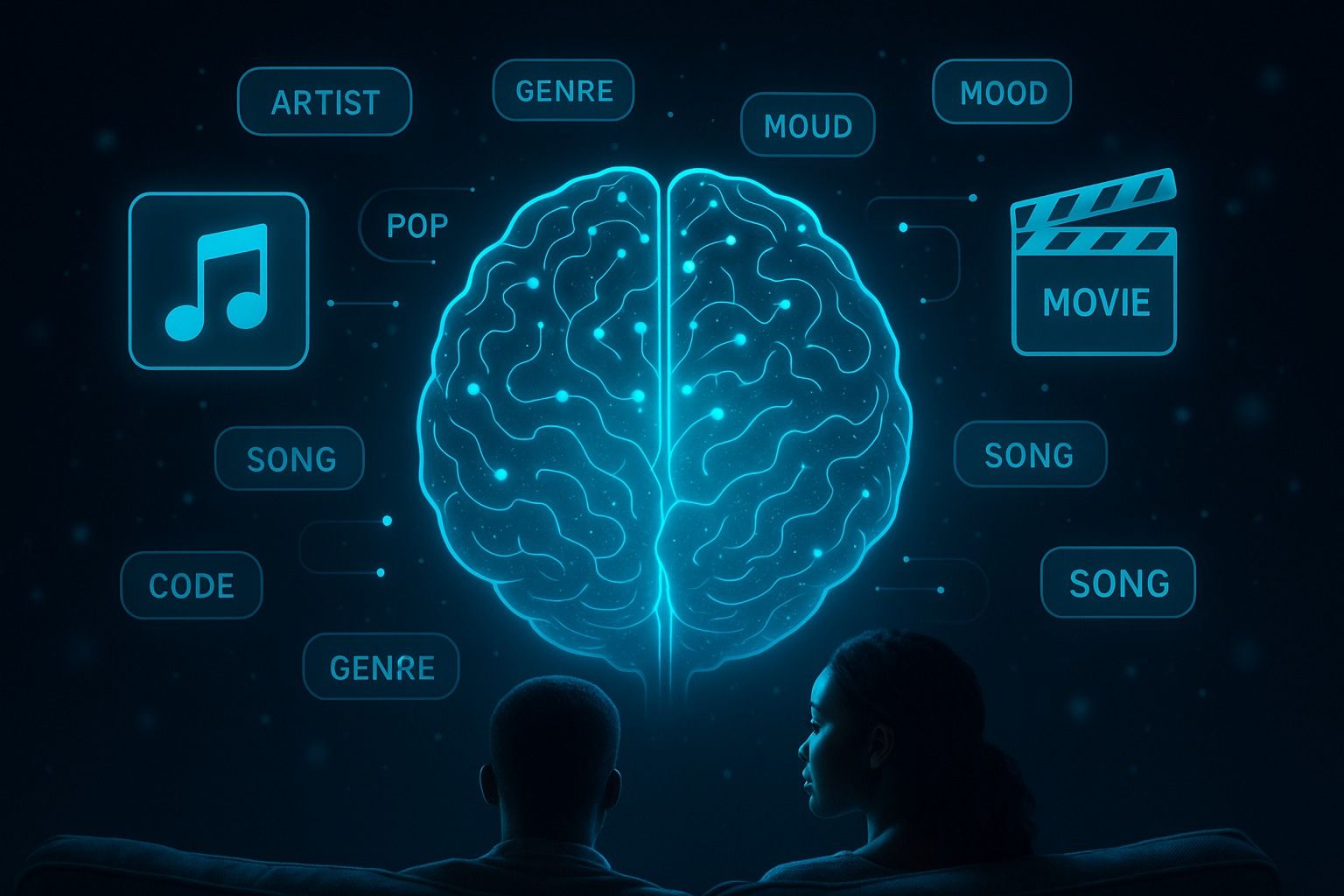
Audio analysis: Spotify's algorithms actually "listen" to songs, analyzing tempo, key, energy, danceability, and acoustic properties to understand the music itself.
Natural Language Processing: The system scans blogs, reviews, and articles about artists to understand how people describe the music and what context surrounds it.
Collaborative filtering: Like Netflix, Spotify analyzes listening patterns across its massive user base to find connections between songs and artists.
Discover Weekly and Release Radar: These personalized playlists combine all these approaches, with Discover Weekly introducing you to new music similar to your tastes, while Release Radar keeps you updated on new releases from artists you follow or might like.
The Key Metrics That Matter
Recommendation systems are evaluated on several important measures:
Accuracy: How often are the recommendations actually relevant to the user?
Diversity: Does the system show you different types of content, or just variations of the same thing?
Novelty: Are you discovering new content you wouldn't have found otherwise?
Serendipity: Can the system surprise you with unexpected recommendations you end up loving?
Business goals: Do recommendations increase engagement, retention, and user satisfaction?
The Privacy Consideration
All this personalization requires data, lots of it. These systems track your viewing history, listening patterns, searches, ratings, and even how you interact with the platform. This raises important questions about privacy and data usage.
Most platforms allow you to view and delete your history, though this affects the quality of recommendations you receive. It's a trade-off between personalization and privacy that each user must navigate.

Why Recommendations Sometimes Miss the Mark
Even sophisticated systems aren't perfect. Common issues include:
Shared accounts: If multiple people use one profile, the system gets confused about preferences
Mood variability: Your taste in a Friday night differs from Monday morning, but the system might not always catch this
The popularity bias: Systems sometimes over-recommend popular content, making it harder for niche content to surface
Filter bubbles: Over-optimization can trap you in a narrow range of content
The Future of Recommendations
Recommendation systems continue to evolve, with emerging trends including:
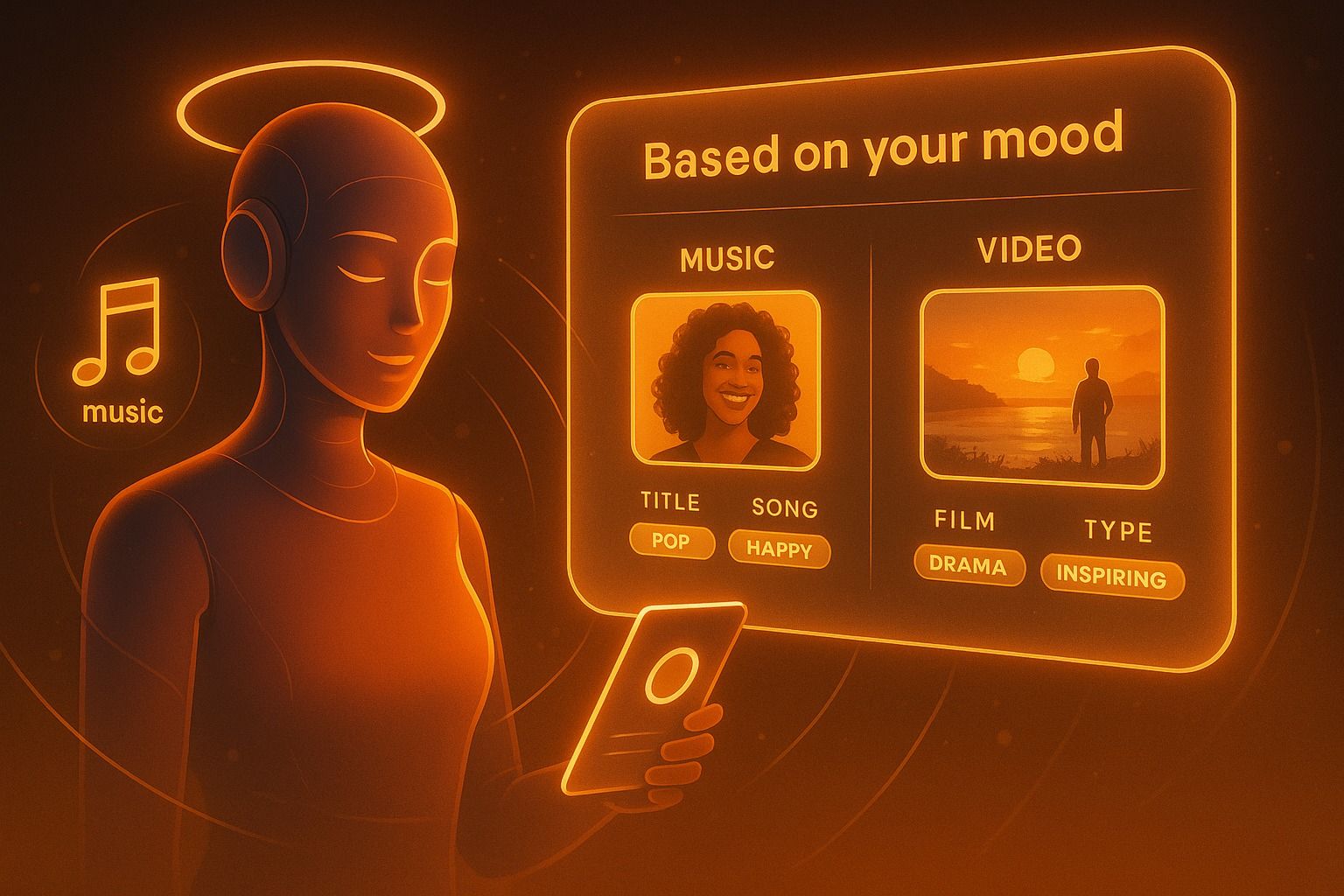
- Context awareness: Understanding not just what you like, but when and why
- Cross-platform learning: Connecting your preferences across different services
- Emotional intelligence: Detecting and responding to your mood
- Explainability: Helping you understand why something was recommended
Conclusion
Recommendation systems are the invisible architects of our digital entertainment experiences. By combining collaborative filtering, content analysis, and machine learning, platforms like Netflix and Spotify create personalized experiences that keep us engaged and help us discover content we love.
Understanding how these systems work helps us become more conscious consumers, appreciating their convenience while remaining aware of their influence on our choices. The next time Netflix suggests a show or Spotify creates a playlist that feels perfect, you'll know there's a sophisticated system working behind the scenes to predict exactly what will make you hit play.
Get Sasa by email
Generative AI, Africa now. One edition, no more than once a week.