AI on the Move: Transforming Africa’s Transport Sector
How AI Is Transforming Africa's Transport Sector
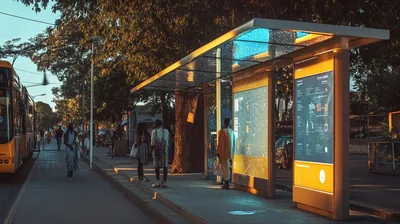
If you’ve ever been stuck in ‘bumper-to-bumper’ traffic in Lagos or Accra, you know how frustrating it can be. Imagine a world where traffic jams vanish, potholes repair themselves (well, almost), buses run on time every day—fewer horns blaring and smoother rides to your destination—and deliveries arrive faster than expected.
Welcome to the new face of transportation in Africa—AI-powered, efficient, and ready for the future.
Smart Roads, Smarter Journeys:
Artificial intelligence is quietly steering Africa’s transport sector into a smarter era, tackling old problems like traffic congestion, accidents, and road maintenance in innovative ways. Let’s dive into how this groundbreaking technology is helping and what the future holds for AI and transportation.

From Chaos to Control: AI’s Smarter Traffic Management
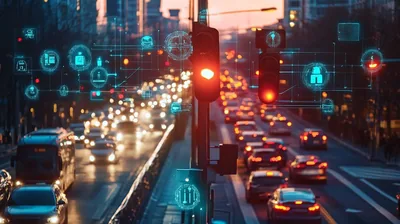
Traffic congestion is one of the biggest headaches in African cities like Accra and Lagos. AI is now being used to ease these gridlocks.
In Kenya, for example, smart traffic lights powered by AI can adjust their timing based on real-time traffic data, reducing unnecessary waiting time at intersections. This isn’t just a theory—pilot projects in Nairobi have already seen shorter commute times and less pollution.
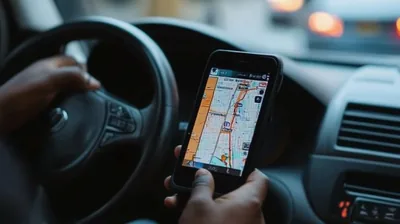
In Ghana, AI-based GPS systems like Google Maps and Waze are helping drivers find the fastest routes, saving fuel and avoiding potholes. Imagine the impact if these systems were expanded to cover every corner of Accra!
Revolutionizing Public Transport and Ride-Hailing
AI is also transforming public transport and ride-hailing services in Africa. In South Africa, AI-powered tracking systems are being used to monitor buses and trains, predicting delays and helping commuters plan their journeys better.
Meanwhile, ride-hailing apps like Bolt and Uber are using AI to match passengers with drivers more efficiently. AI algorithms analyze passenger demand in real time and direct drivers to high-demand areas. This means quicker pickups, more rides for drivers, and less waiting time for passengers.
And it doesn’t stop there. AI is also being used to improve rail transport, with smart sensors monitoring train tracks to prevent derailments. Imagine boarding a train that always arrives on time, thanks to AI predicting and fixing delays before they happen!

Predictive Road Maintenance
Ever thought about safety? AI is also keeping us safer on the roads. AI-powered surveillance cameras are helping authorities identify reckless driving and monitor accident-prone zones. AI is being used to predict and prevent vehicle breakdowns through advanced vehicle diagnostics. The result? Safer roads and fewer headaches for drivers.
Potholes are a common sight on African roads, causing accidents, vehicle damage, and endless frustration. But AI is offering a solution. What if AI could predict where roads are likely to crack and help authorities fix them before they become dangerous? This is already happening in countries like South Africa, where AI-powered drones and sensors are used to inspect roads and bridges. These systems collect data on cracks, wear, and tear and alert maintenance teams to potential problems before the damage becomes severe. This approach not only makes roads safer but also reduces maintenance costs.
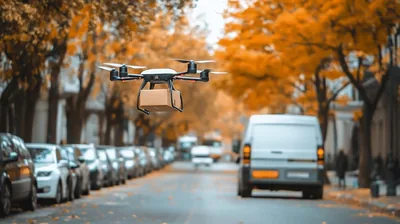
Optimizing Logistics: Faster Deliveries, Better Business, Happier Customers
The logistics sector is also getting a boost from AI. Delivery companies are using AI to optimize delivery routes, track packages in real time, and reduce fuel costs. This makes e-commerce more efficient and helps businesses reach customers.
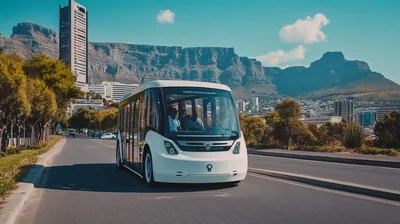
Driving Into the Future: What’s Next?
If you think AI’s impact on transportation is impressive now, wait until you see what’s coming. As AI technology becomes more accessible, we can expect even more innovations. Here’s what the future might look like:
Autonomous vehicles, also known as self-driving cars, are no longer just science fiction. While still far from Africa, countries like South Africa are already experimenting with AI-driven cars. These vehicles use sensors and AI to navigate roads without human drivers, promising safer and more efficient travel in the near future.
The South African Department of Transport seeks to harness the benefits of autonomous vehicles, such as enhanced road safety, improved efficiency, and solutions to mobility challenges. For instance, South African manufacturer Bell Equipment has collaborated with Pronto AI to develop self-driving articulated dump trucks (ADTs). Bell also demonstrated a locally produced autonomous ADT at MINExpo 2021 in Las Vegas, showcasing South Africa’s progress in autonomous vehicle technology.
In addition, drone deliveries powered by AI are set to transform logistics. Imagine receiving a package delivered to your doorstep by an AI-guided drone! Companies in countries like Rwanda are already using drones for medical supplies delivery, and this innovation is bound to expand to consumer goods soon.
AI is also revolutionizing transport infrastructure planning. Advanced analytics can predict population growth and travel demand, helping city planners build better roads and public transport systems. The dream of smart cities, where every aspect of transportation is seamlessly interconnected, is becoming a reality.
Green Transport Solutions: AI can help optimize electric vehicle (EV) charging stations and promote eco-friendly transport options.
So, What’s in It for You?
AI is reshaping the future of transportation in Africa, and there’s never been a better time to get involved. The integration of AI in transportation is not just about convenience—it’s about creating a smarter, safer, and more sustainable way to move people and goods. Whether you’re a commuter tired of traffic jams or a tech enthusiast eager to see how AI evolves, there’s so much to learn and explore.
Ready to ride the wave of AI innovation? Sign up now and become a member of GAiF! Together, let’s drive into the future of AI in Africa!
Get Sasa by email
Generative AI, Africa now. One edition, no more than once a week.