AI in Africa: Myths vs Reality
Understanding AI better
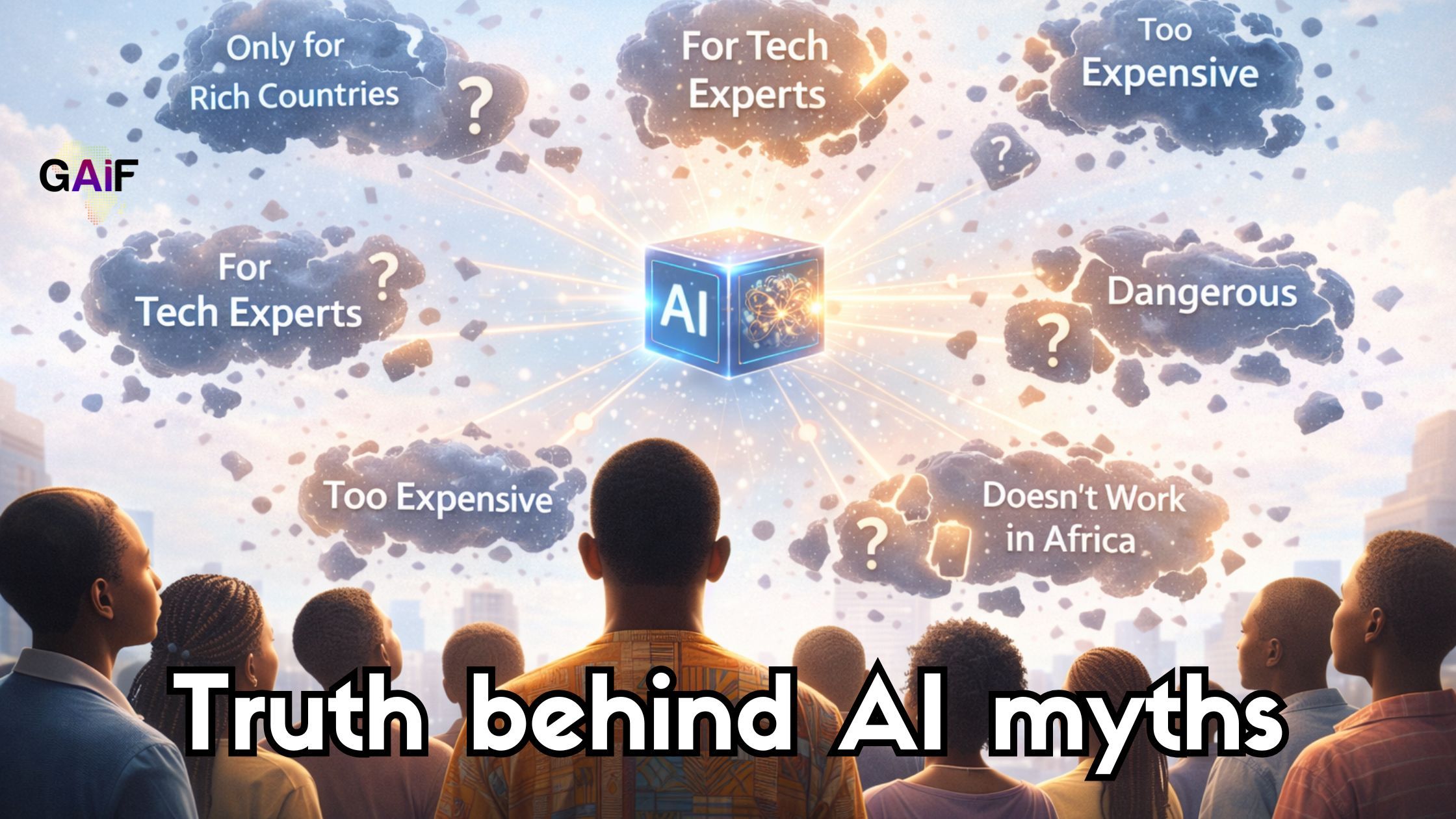
Artificial Intelligence (AI) is no longer a distant concept in Africa. It is here, influencing how Africans communicate, work, learn, and do business. Yet, despite its growing presence, AI remains deeply misunderstood across the continent.
These misunderstandings have given rise to myths—ideas that limit adoption, create fear, and
widen the digital divide. To build an inclusive AI future in Africa, we must first confront these myths honestly.
This article explores the most common AI myths in Africa, why they exist, whether they are true or false, and what we can do to demystify AI for everyone.
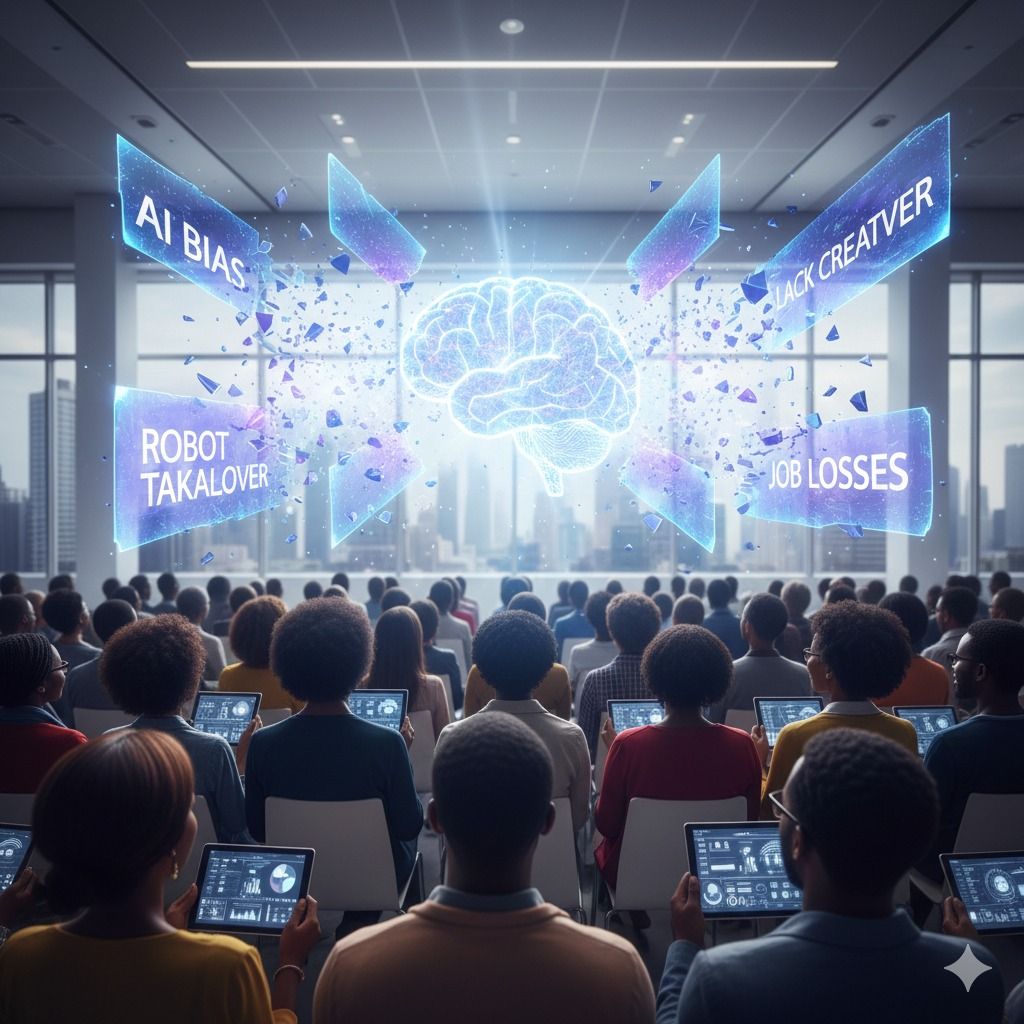
Myth 1: AI Is Only for Rich Countries and Big Tech Companies
Why Africans Believe This
AI is often portrayed through Western success stories, billion-dollar companies, and advanced infrastructure. Most AI tools are branded and marketed from outside Africa, reinforcing the belief that AI belongs elsewhere.
Is It True?
No.
AI is not owned by any country. Africans already use AI daily—through mobile money fraud detection, voice assistants, social media algorithms, translation tools, and customer service chatbots.
The Truth
AI is a global tool. The challenge for Africa is not access but awareness and contextual adaptation.

Myth 2: AI Is Only for Programmers and Tech Experts
Why Africans Believe This
Technical jargon, complex interfaces, and the emphasis on coding in AI discussions make many people feel excluded.
Is It True?
No.
Most modern AI tools are designed for everyday users. You don’t need to code to use AI—you need to communicate clearly.
The Truth
If you can type, speak, or ask questions, you can use AI. Coding is optional, not mandatory.
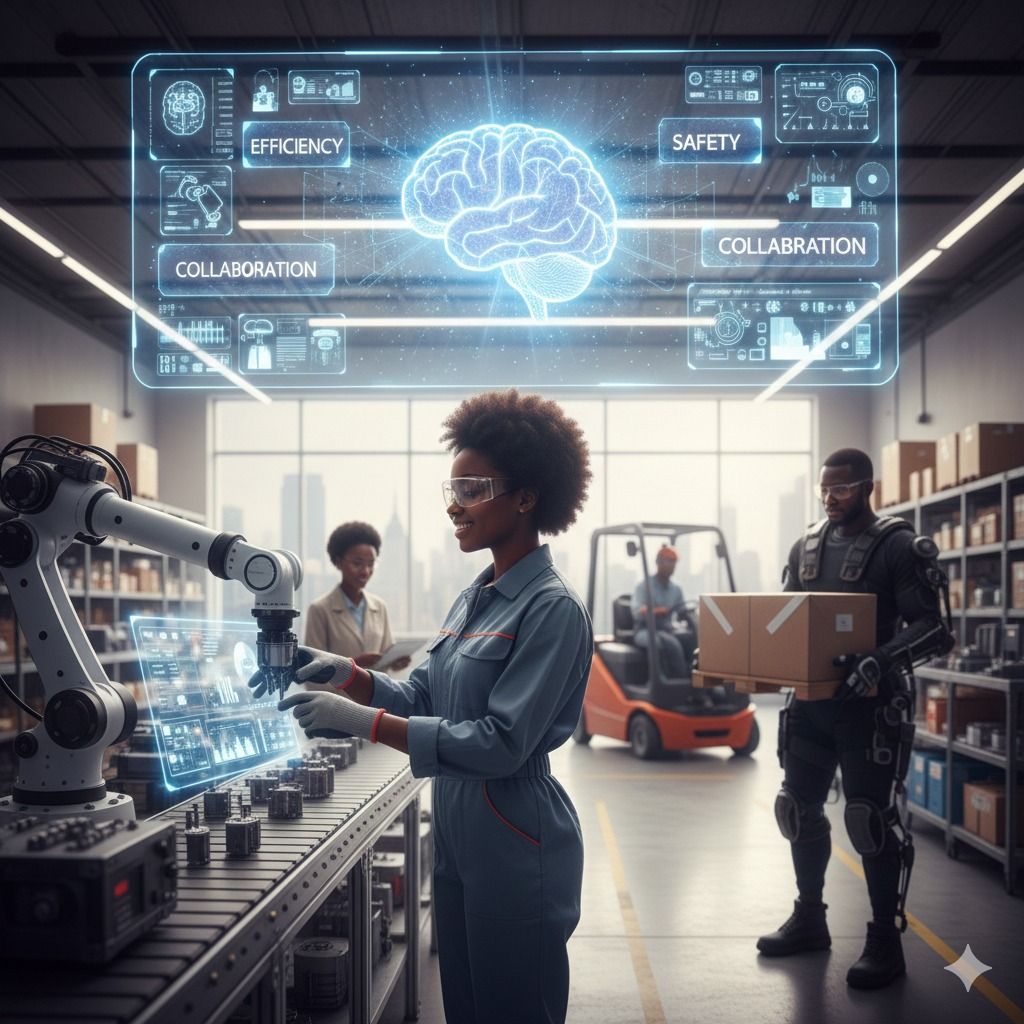
Myth 3: AI Will Take All Jobs in Africa
Why Africans Believe This
Africa already faces high unemployment. News headlines about automation replacing workers amplify fear.
Is It True?
Partially—but not in the way people think.
AI replaces tasks, not people. Repetitive and routine work is more at risk than creative, relational, or strategic roles.
The Truth
AI will create new jobs while transforming old ones. The real risk is failing to upskill.
Myth 4: AI Is Too Expensive for Africans
Why Africans Believe This
Technology is often associated with high costs, subscriptions, and foreign currency payments.
Is It True?
No.
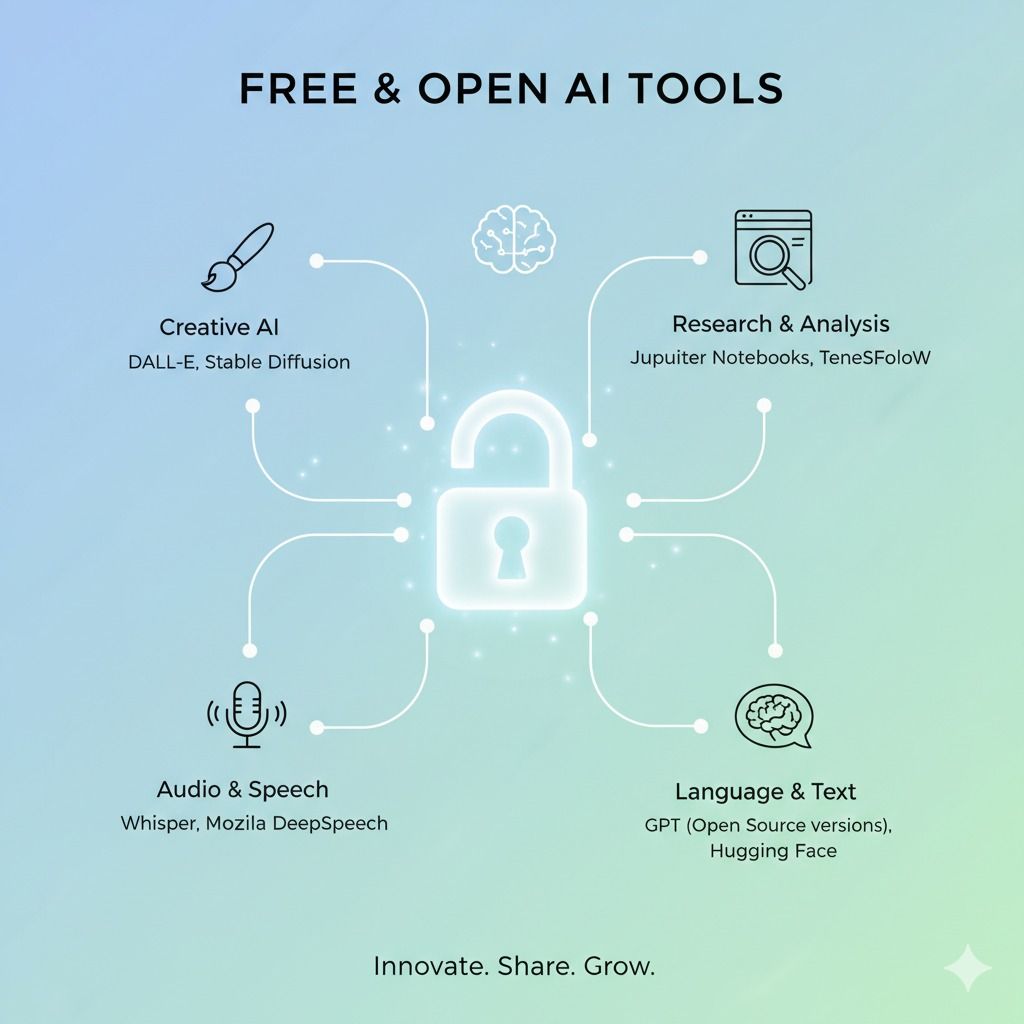
Many AI tools offer free plans, low-cost versions, or open-source alternatives.
The Truth
The biggest cost barrier is not money—it is lack of information.
Myth 5: AI Is Dangerous and Will Control Humans
Why Africans Believe This
Movies, religious fears, and misinformation fuel the idea that AI is uncontrollable or evil.
Is It True?
No.
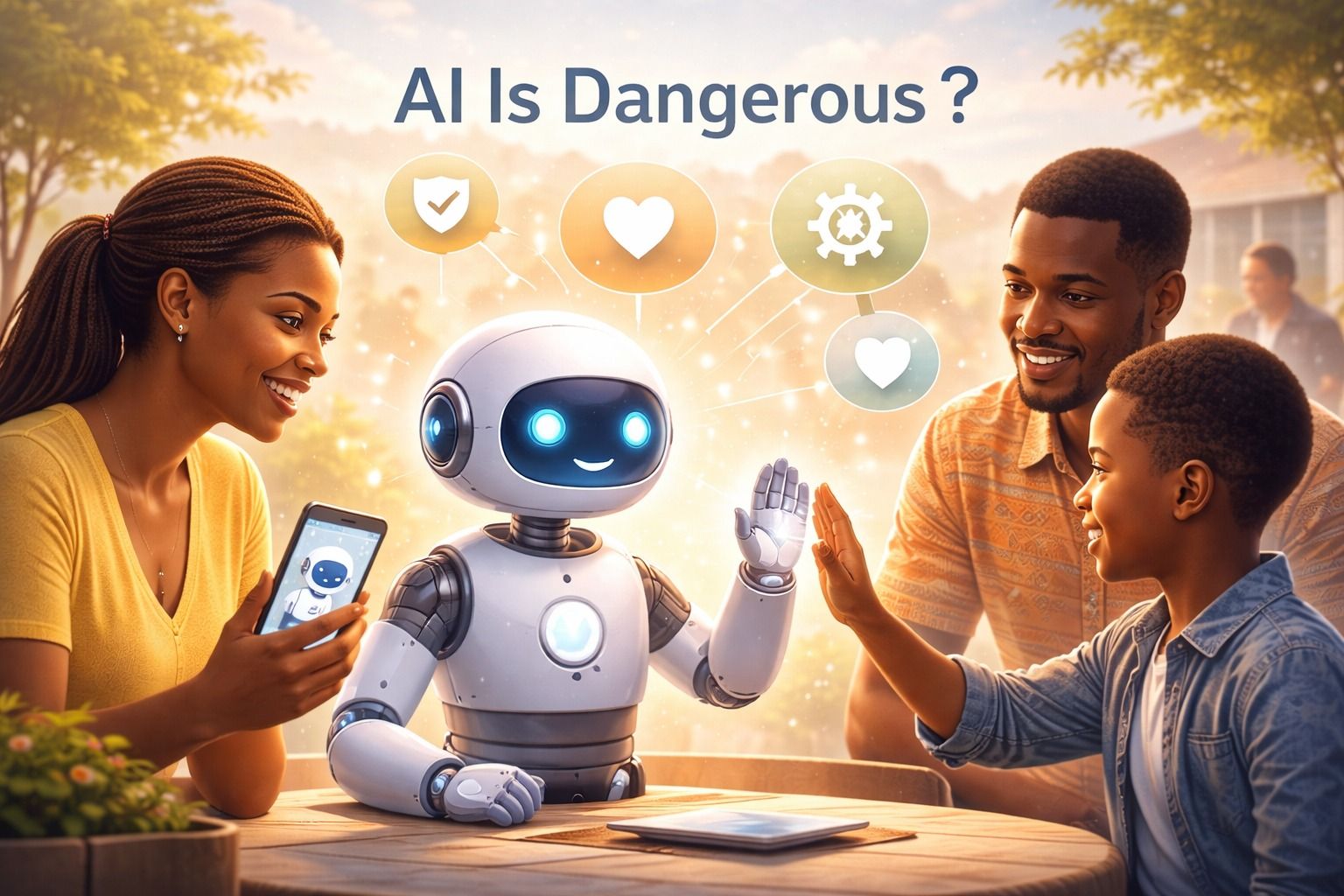
AI does not have intentions, emotions, or consciousness. It follows human-designed instructions.
The Truth
AI reflects the values and data it is trained on. The danger lies in misuse—not existence.
Myth 6: AI Does Not Work Well in Africa
Why Africans Believe This
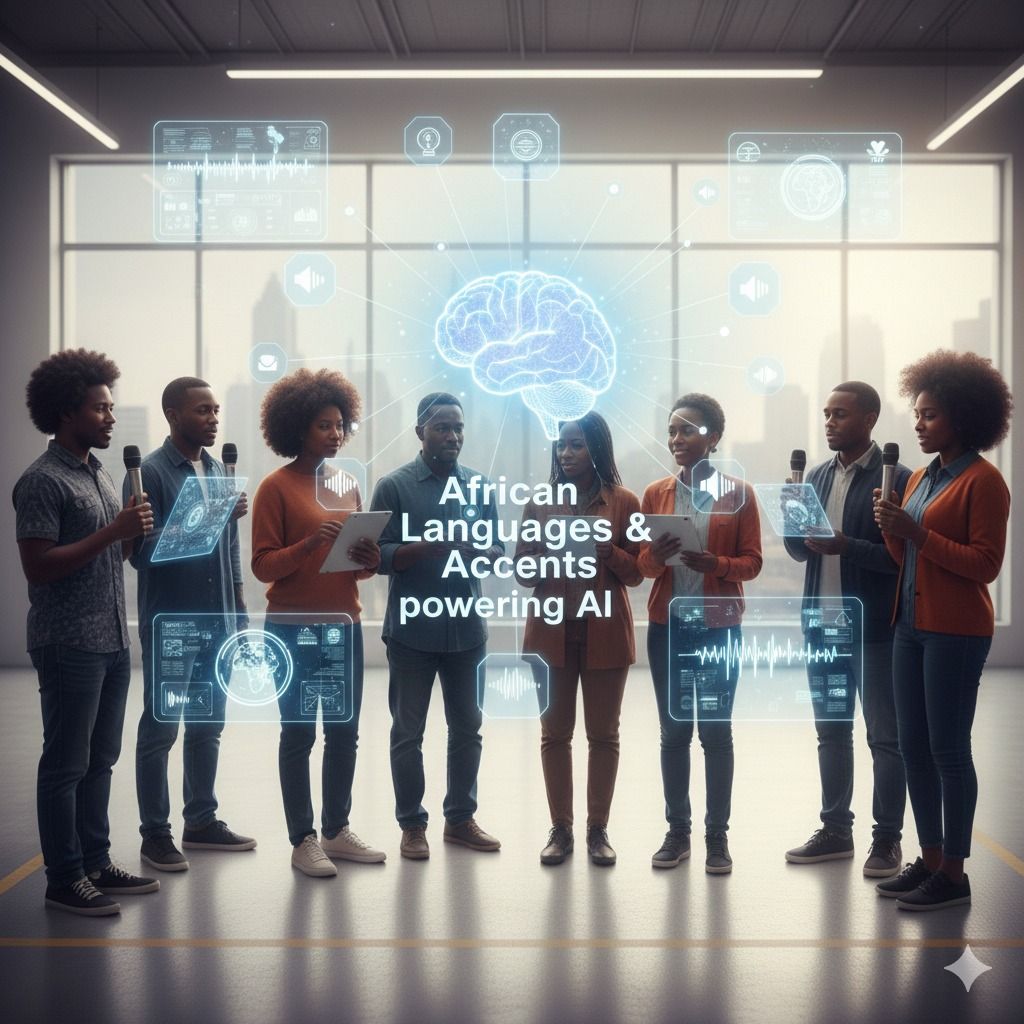
Many tools fail to understand African accents, languages, and local context.
Is It True?
Partly.
Some AI systems are poorly trained on African data.
The Truth
This is not a reason to abandon AI—but a reason for Africans to participate in building it.

Myth 7: Using AI Is Cheating or Unethical
Why Africans Believe This
In education and professional settings, AI use is often misunderstood as dishonesty.
Is It True?
No—when used responsibly.
The Truth
AI is a support tool, not a replacement for thinking. Ethics depend on how AI is used, not whether it is used.
How Can We Demystify AI in Africa?
- Simplify the Language
AI education must use relatable African examples, not technical jargon.
- Promote Practical Use Cases
Show how AI helps farmers, traders, teachers, students, and small businesses.
- Encourage Community Learning
Learning together reduces fear and increases confidence. This is why GAiF is here for you.
- Highlight African Voices and Stories
Representation builds trust.
- Integrate AI Education Early
Schools and training institutions must prioritize AI literacy.
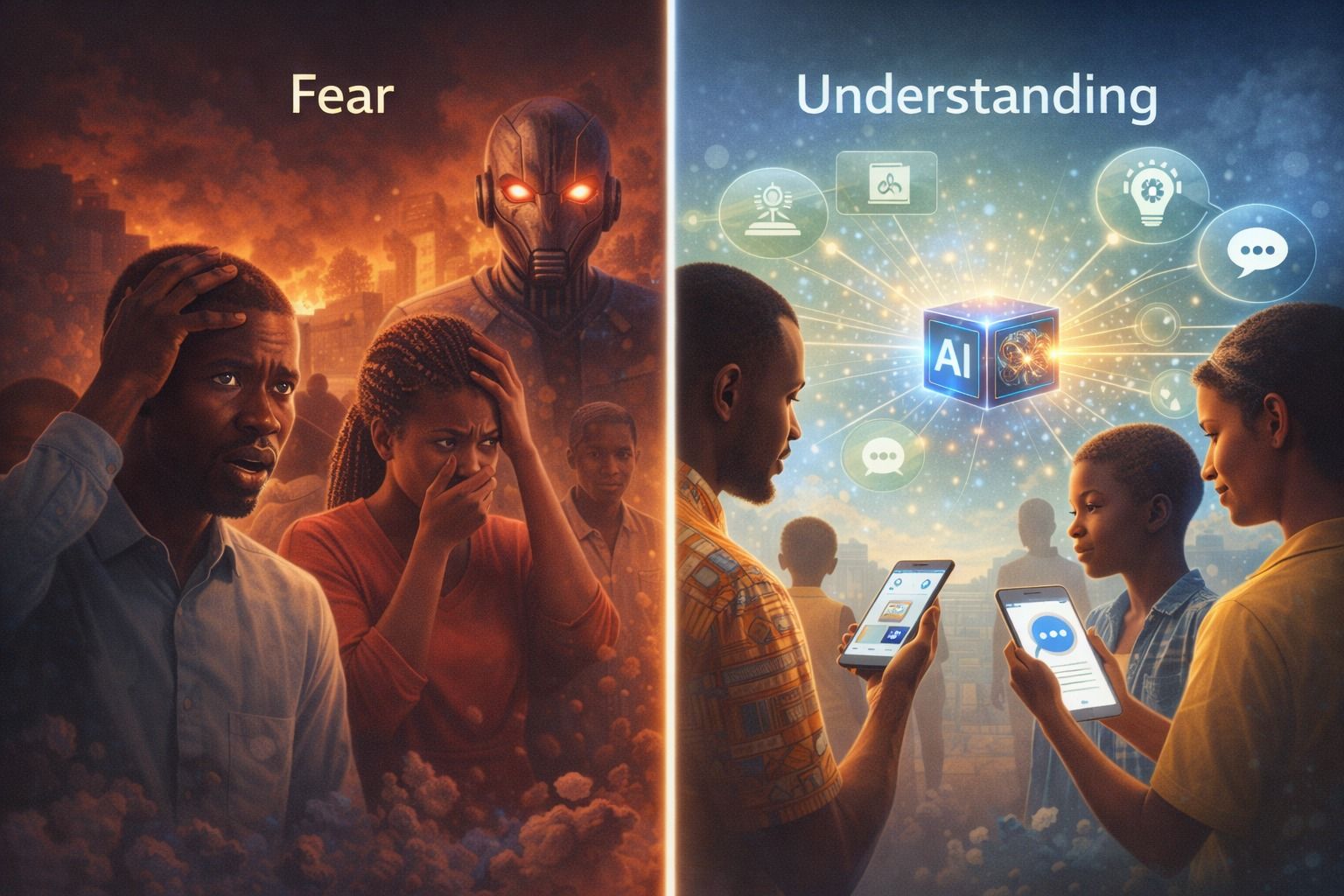
From Fear to Familiarity
AI is not Africa’s enemy. Ignorance is.
By confronting myths with truth, Africa can shift from fear to familiarity, from consumption to contribution. AI should not feel foreign—it should feel useful, accessible, and empowering.
The future of AI in Africa will not be built by machines alone—but by informed, confident Africans working together.
At GAiF, we move from myths to mastery. Be part of the movement.
Get Sasa by email
Generative AI, Africa now. One edition, no more than once a week.