AI, Number Plates, and That Traffic Story You’ll Never Forget
Smarter checkpoints, safer cities
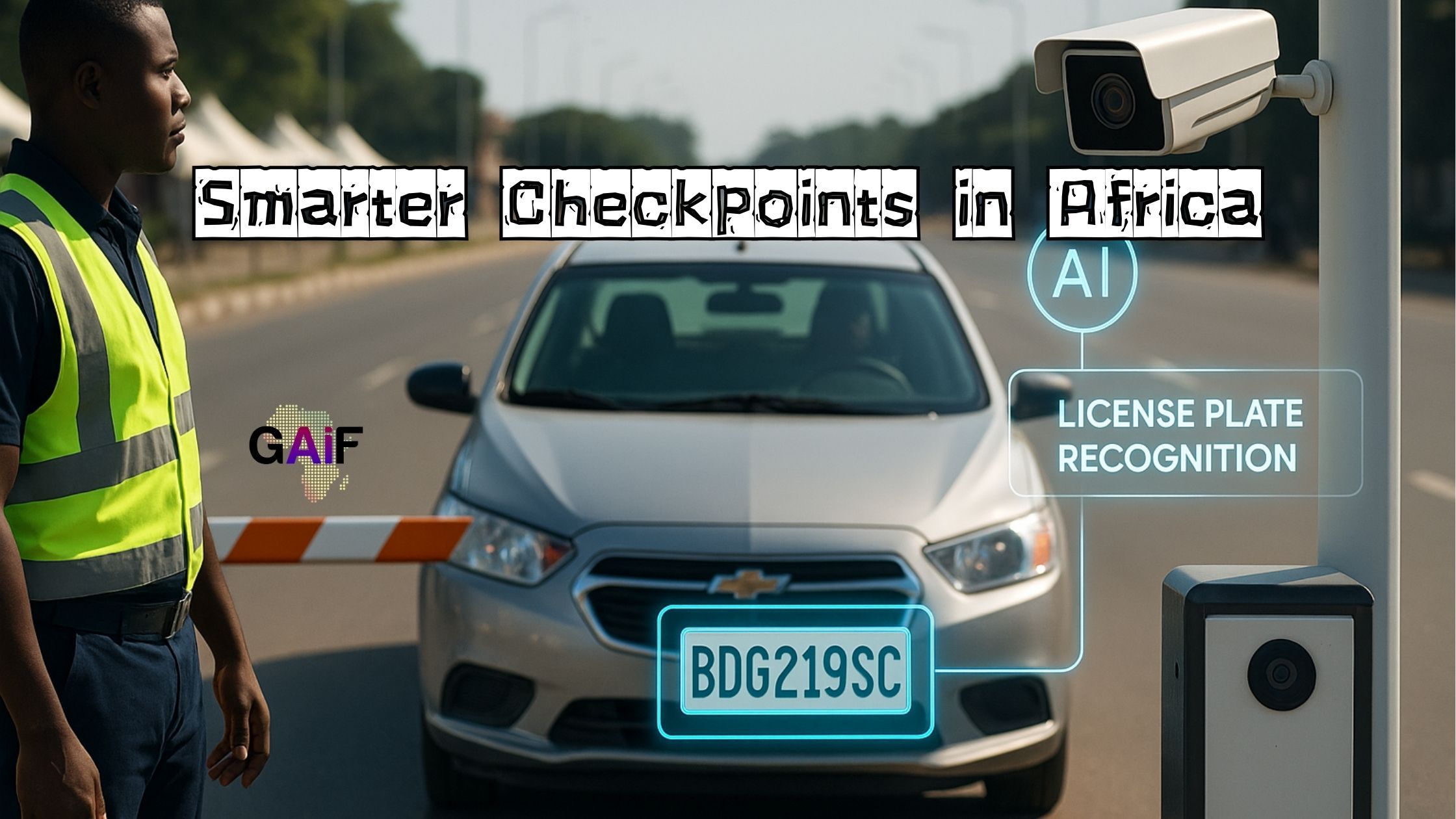
You’re driving home on a Friday evening. Traffic is crawling. You’ve already passed three police checkpoints, and the officer at the last one squinted at your number plate like he was solving a PhD thesis. You just want to go home.
If you’ve ever sat in traffic wondering why everything moves slowly, you’re not alone.
From toll booths to police checkpoints, our roads can feel like a series of delays. Most times, it’s not because people don’t want to help — it’s simply because the systems are manual, and human eyes can only do so much.
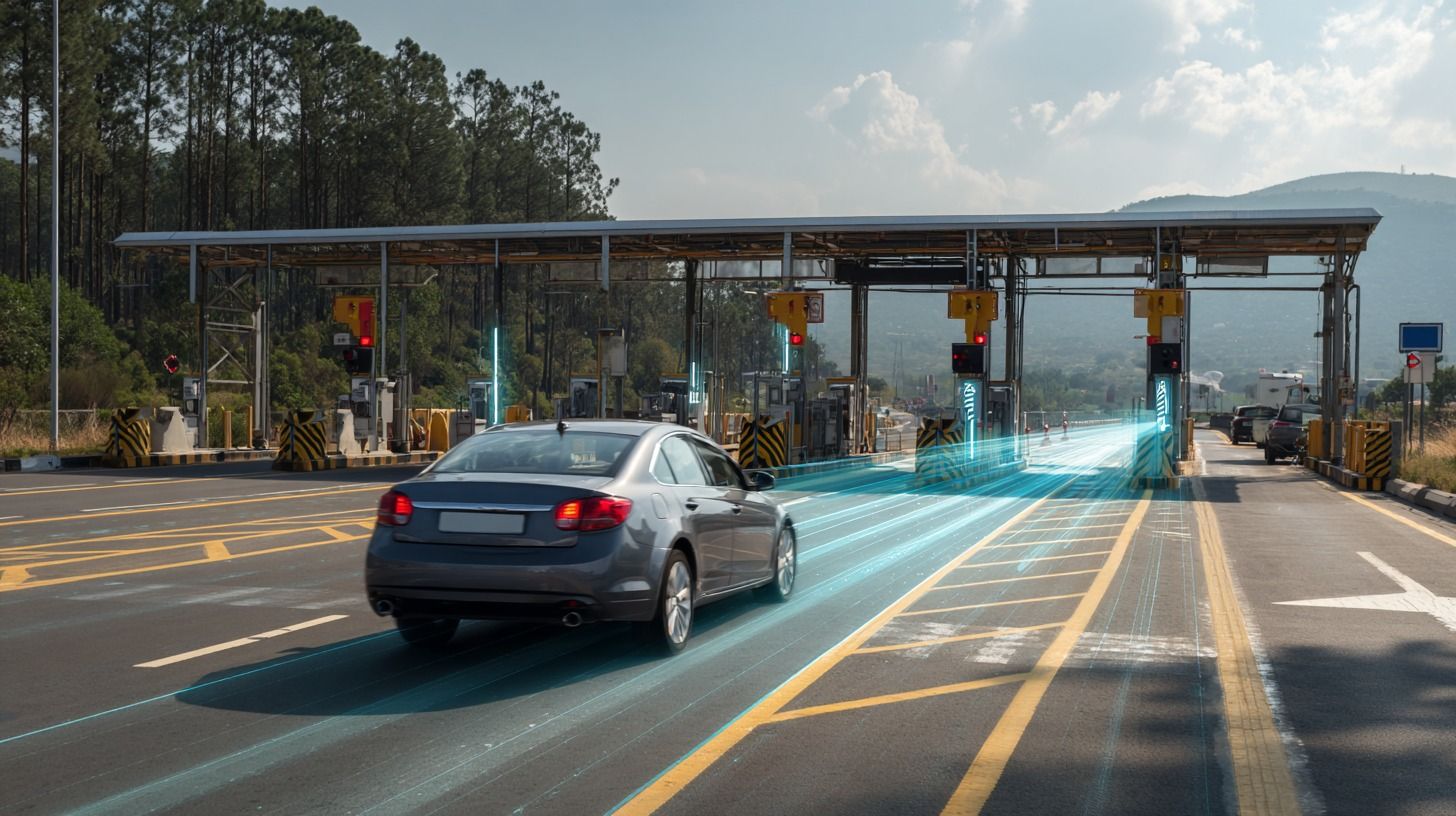
Now imagine a different world.
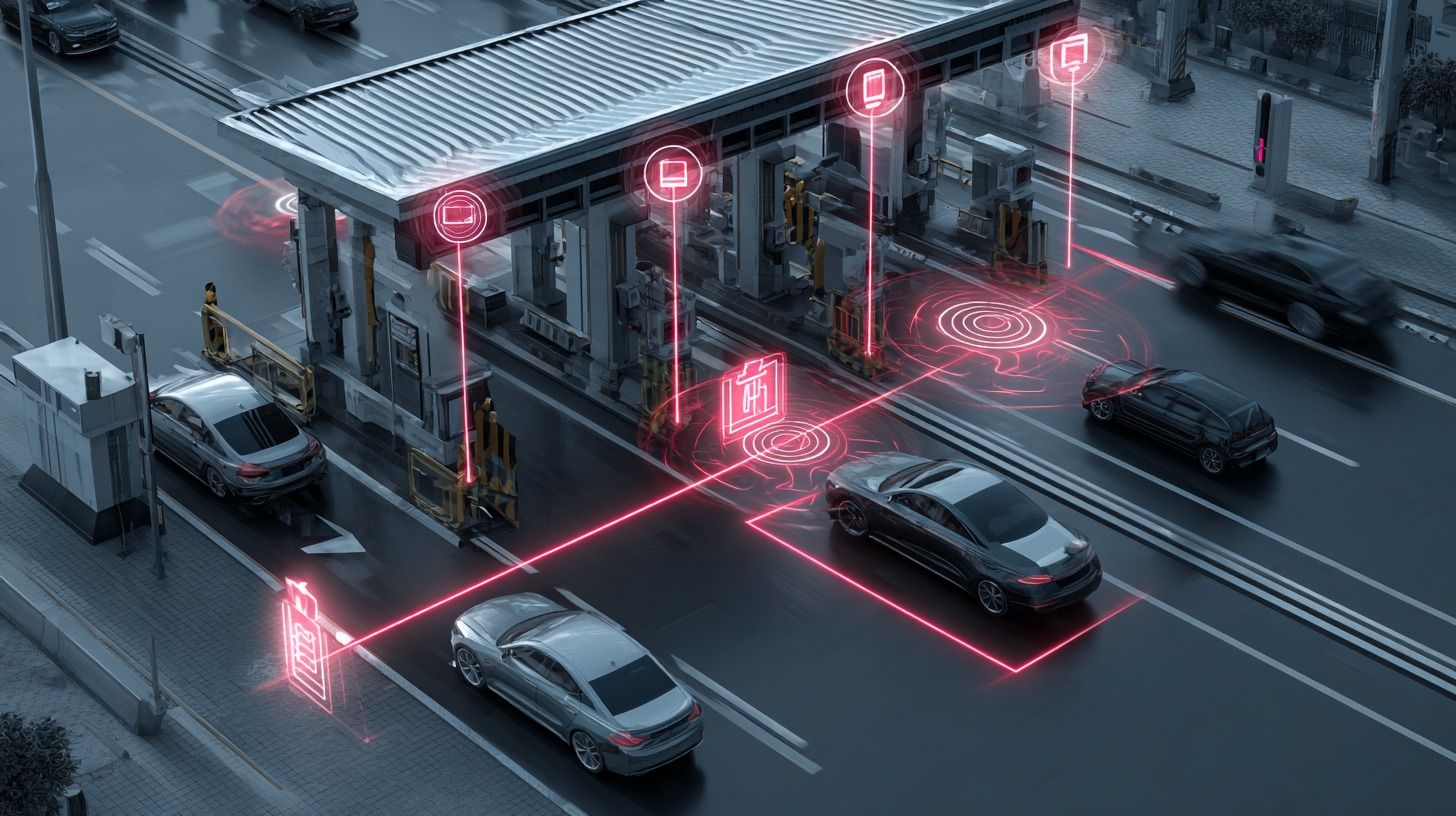
At the same checkpoint, there’s a tiny camera. It scans your plate as you approach. In one second, it knows your car isn’t stolen, your insurance is valid, and you’re not wanted for running a toll. The barrier opens. You’re through. No questions. No sweating. No “Driver, find something for me.”
That’s AI-powered Vehicle Number-Plate Recognition (VNPR) — making its slow entrance into Africa.
Let’s continue the story.
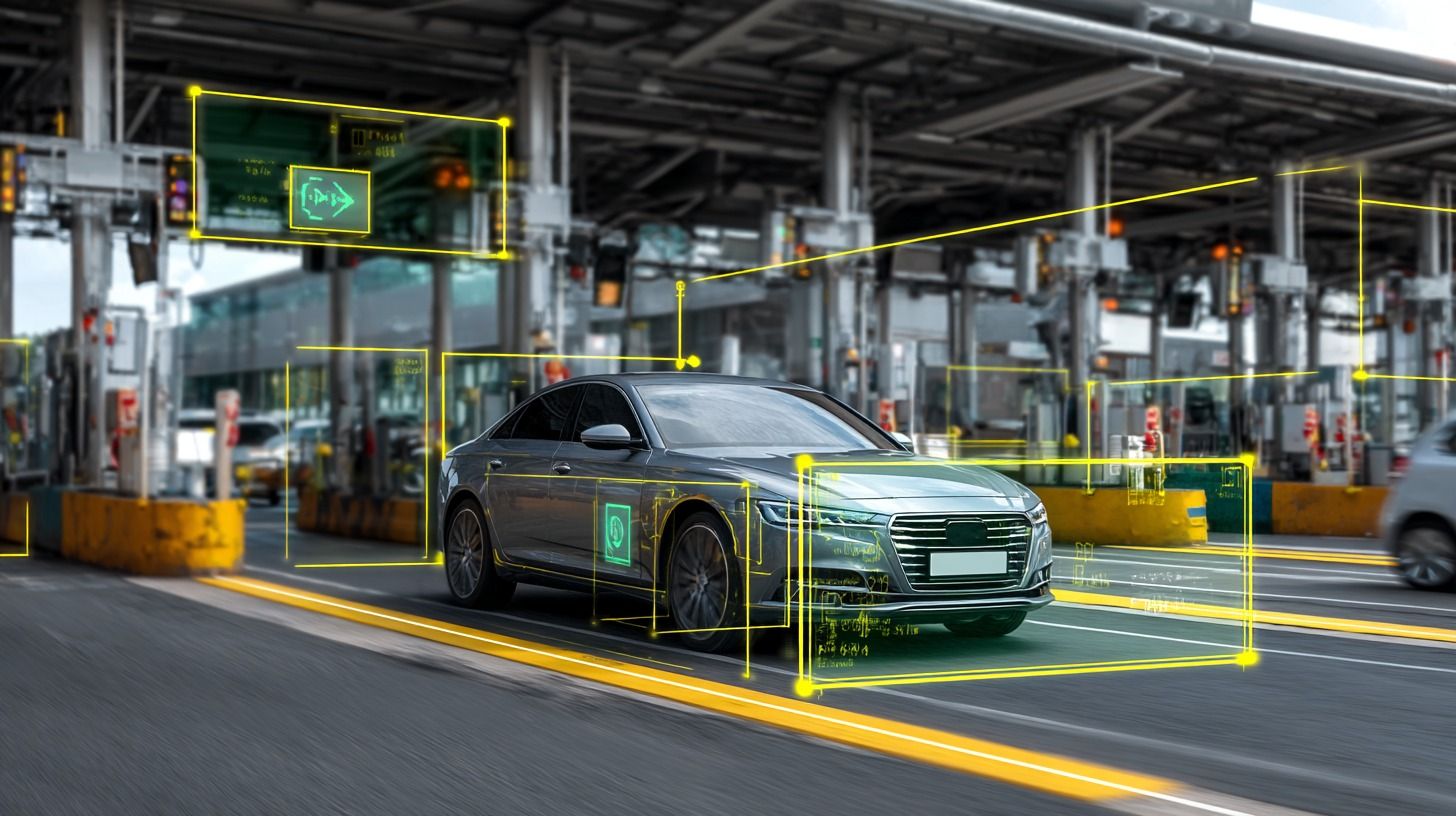
You’re heading to a toll booth. Normally, you’d join a long queue of drivers who forgot their wallets or are arguing about change. Today, the camera scans your plate, links it to your digital wallet, and presto — you just pass. No delay. No drama. No horn-blaring from behind.
Meanwhile, somewhere across town, someone tries to drive a stolen vehicle through a different checkpoint.
Criminals sometimes use plates that look almost real to avoid detection. The human eye may miss it, but AI spots tiny differences — the spacing, the font, the missing reflective layer.
The moment their plate gets scanned, the alarm goes off quietly. Officers nearby receive the alert and intercept calmly. No high-speed movie chase. No innocent drivers caught in the madness.
Across the street at the mall, parking just became simpler. Instead of collecting little paper tickets you’ll lose 12 minutes later, the system simply records your time using your number plate.
When you leave, you pay for exactly how long you stayed. Clean, fair, simple. No “Madam where is your ticket?” interrogation.
It's not magic. It’s data + cameras + AI.
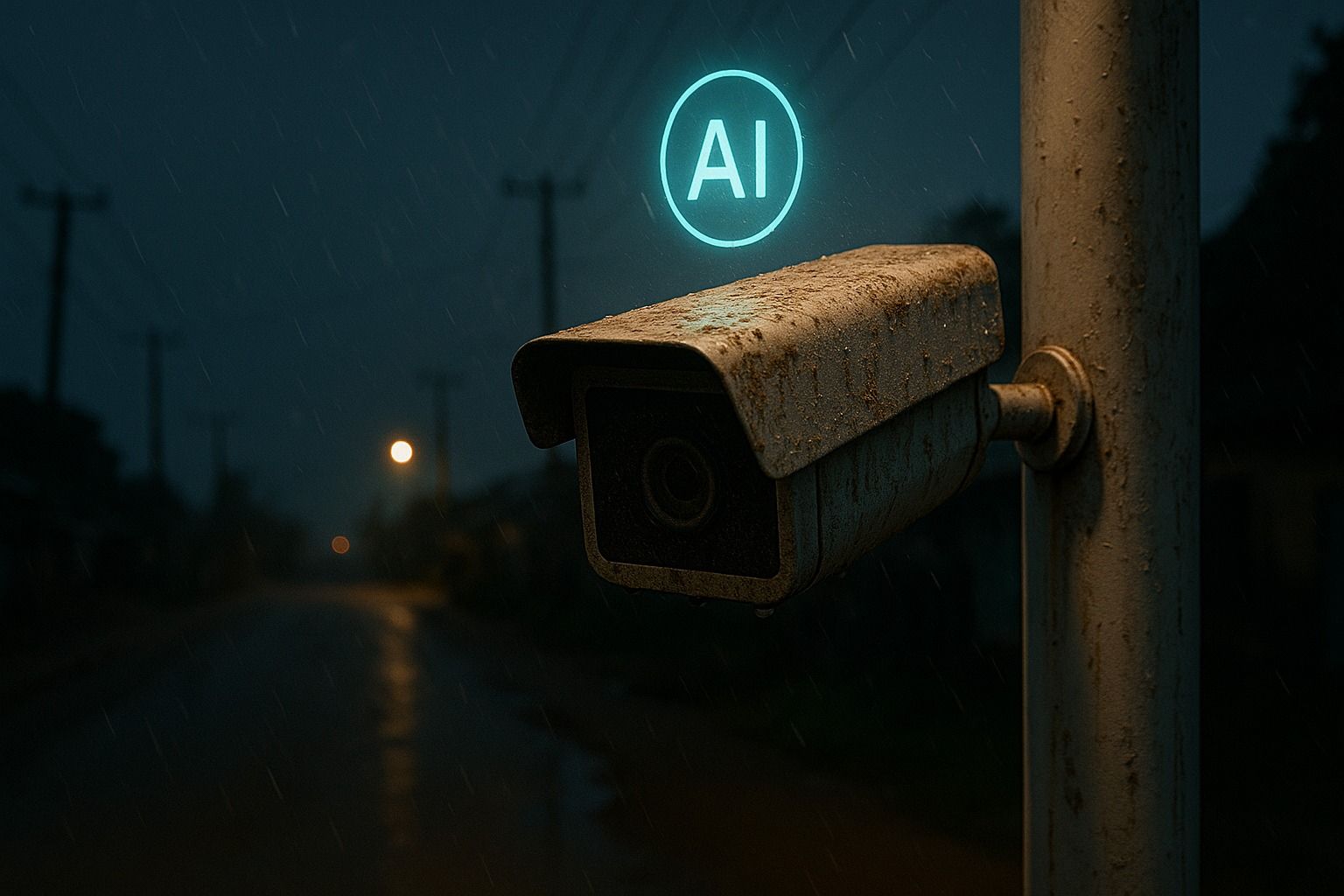
Of course, Africa has its unique challenges.
Some car plates look like they survived three sandstorms and a flood. Dust and rain can blur cameras. Power sometimes says, “I’m tired.”
But guess what? African innovators are creating solar-powered, offline, and low-light AI camera systems. We’re innovating for our reality.
Because AI makes everyday life smoother:
- Shorter queues
- Faster emergency response
- Less bribery pressure
- Safer streets
- Better traffic planning
- Lower stress (our blood pressure thanks us)
Curious about the tools doing all this?
- Plate Recognizer (popular in Africa)
- OpenALPR (easy to deploy)
- Anyline (works on phones — officers love it)
- Sighthound (great for fast vehicles)
- Huawei Smart Traffic (smart-city level)
AI doesn’t need to be loud, scary, or complicated. Sometimes it’s the quiet improvements that make everyday life easier.
And as Africa’s cities grow, solutions like VNPR help us handle the weight — calmly, smartly, and fairly.
This tech won’t turn Africa into Tokyo overnight, but step by step, checkpoint by checkpoint, we’ll get shorter queues, safer cities, fewer complaints, more trust.
And maybe — just maybe — your Friday evening drive won’t feel like an episode of “Traffic Survivors: Africa Edition.”
AI is already transforming the roads.
We might as well enjoy the smoother ride.
Join the GAiF community. We’re learning together, sharing tools, and helping African innovators shape the future.
Get Sasa by email
Generative AI, Africa now. One edition, no more than once a week.