Inclusive AI: Breaking Barriers for the Deaf and Visually Impaired
Accessibility powered by AI
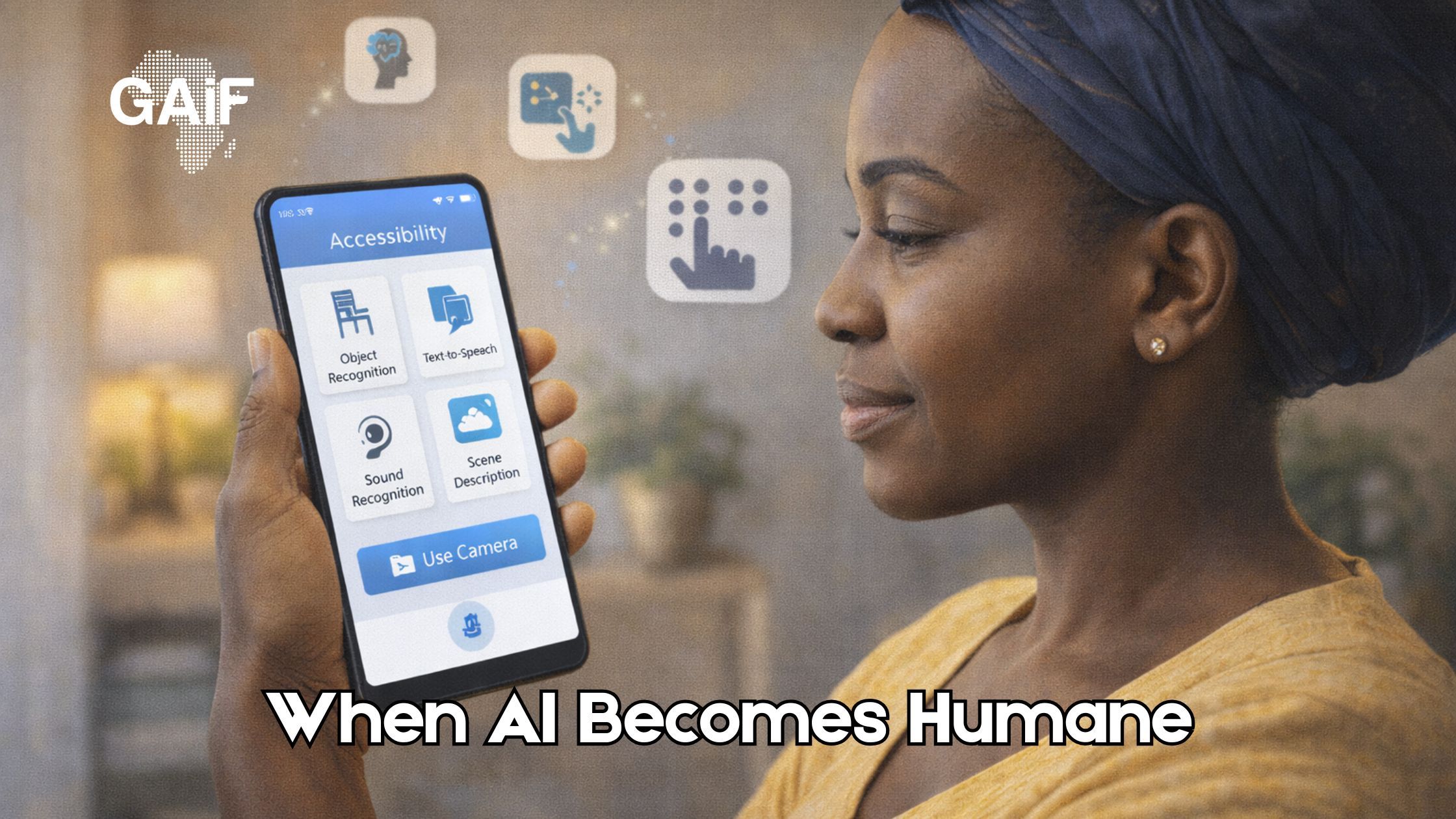
When people talk about Artificial Intelligence, the images that often come to mind are robots, coding experts, or high-tech offices. Rarely do we pause to ask an important question: Who is AI really being built for?
The answer should be simple — everyone.
AI is not only for the able-bodied, tech-savvy, or highly educated. It is also a powerful tool for people living with disabilities, and in many cases, it is changing lives faster and more meaningfully than in any other area.
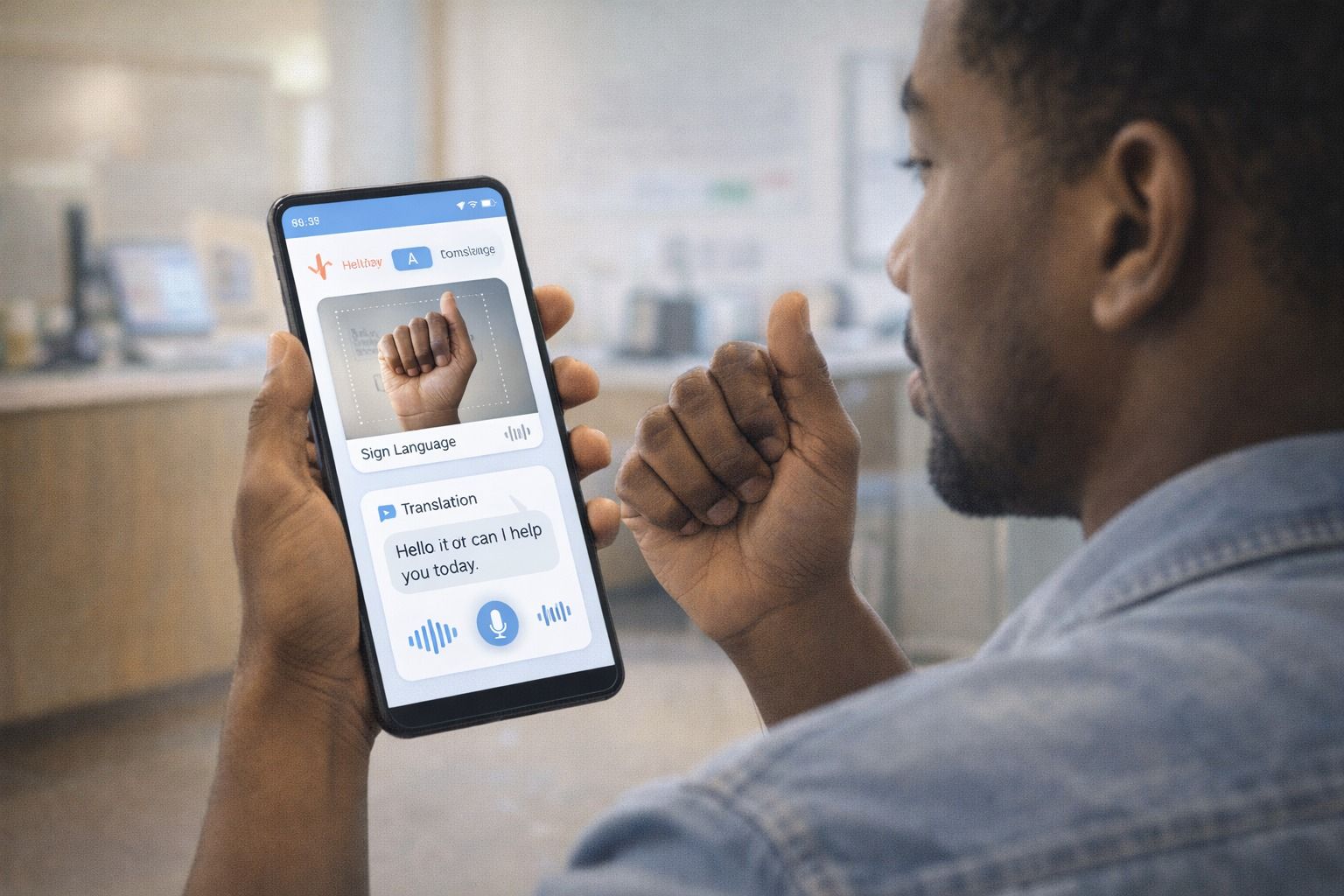
AI Giving a Voice to Sign Language Users
For millions of deaf and hard-of-hearing people, communication can be a daily struggle — especially in places where sign language interpreters are scarce or expensive. This is where AI is stepping in as a game changer.
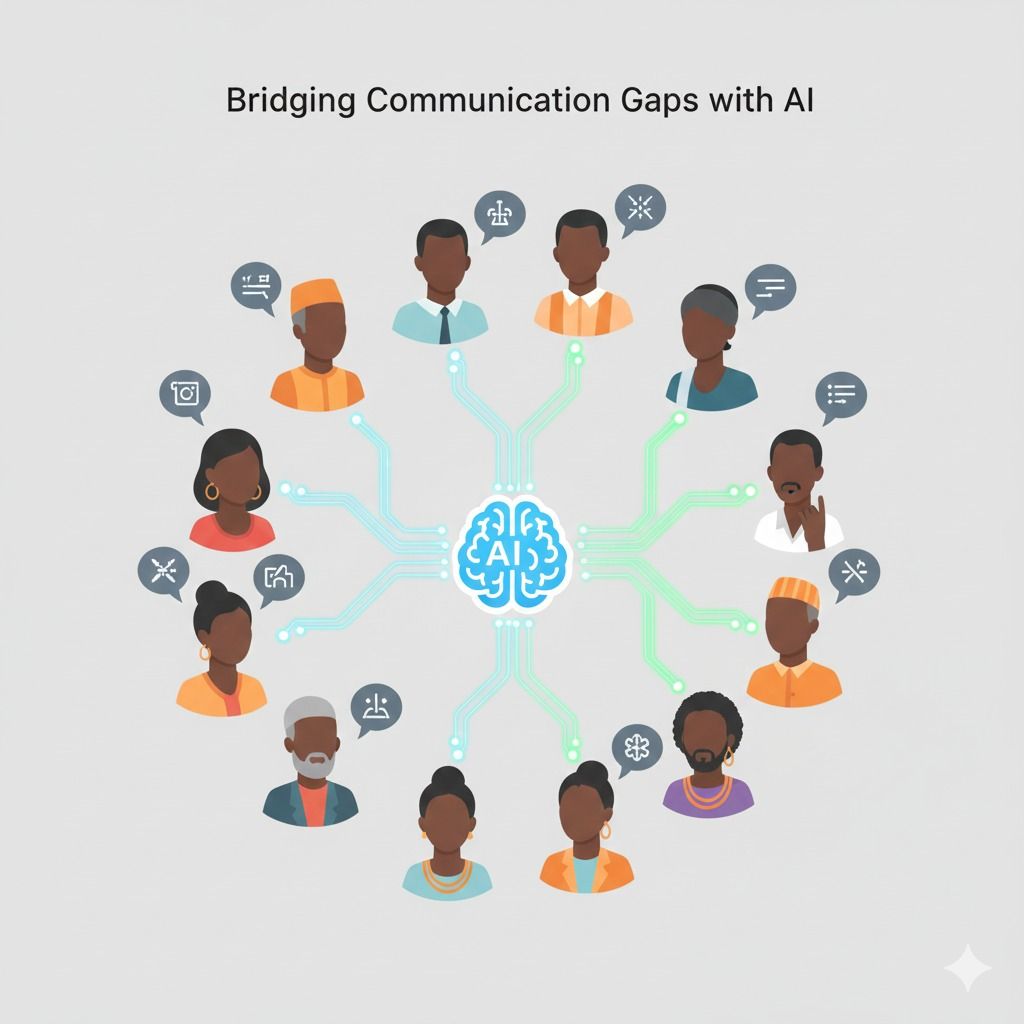
AI-powered sign language translation tools use computer vision and machine learning to recognize hand movements, facial expressions, and gestures, translating them into spoken or written language in real time. Some systems even work in reverse, converting speech into sign language through animated avatars.
Imagine walking into a bank, hospital, or government office and being understood instantly without waiting for an interpreter. AI is helping bridge communication gaps, promote independence, and restore dignity for sign language users.
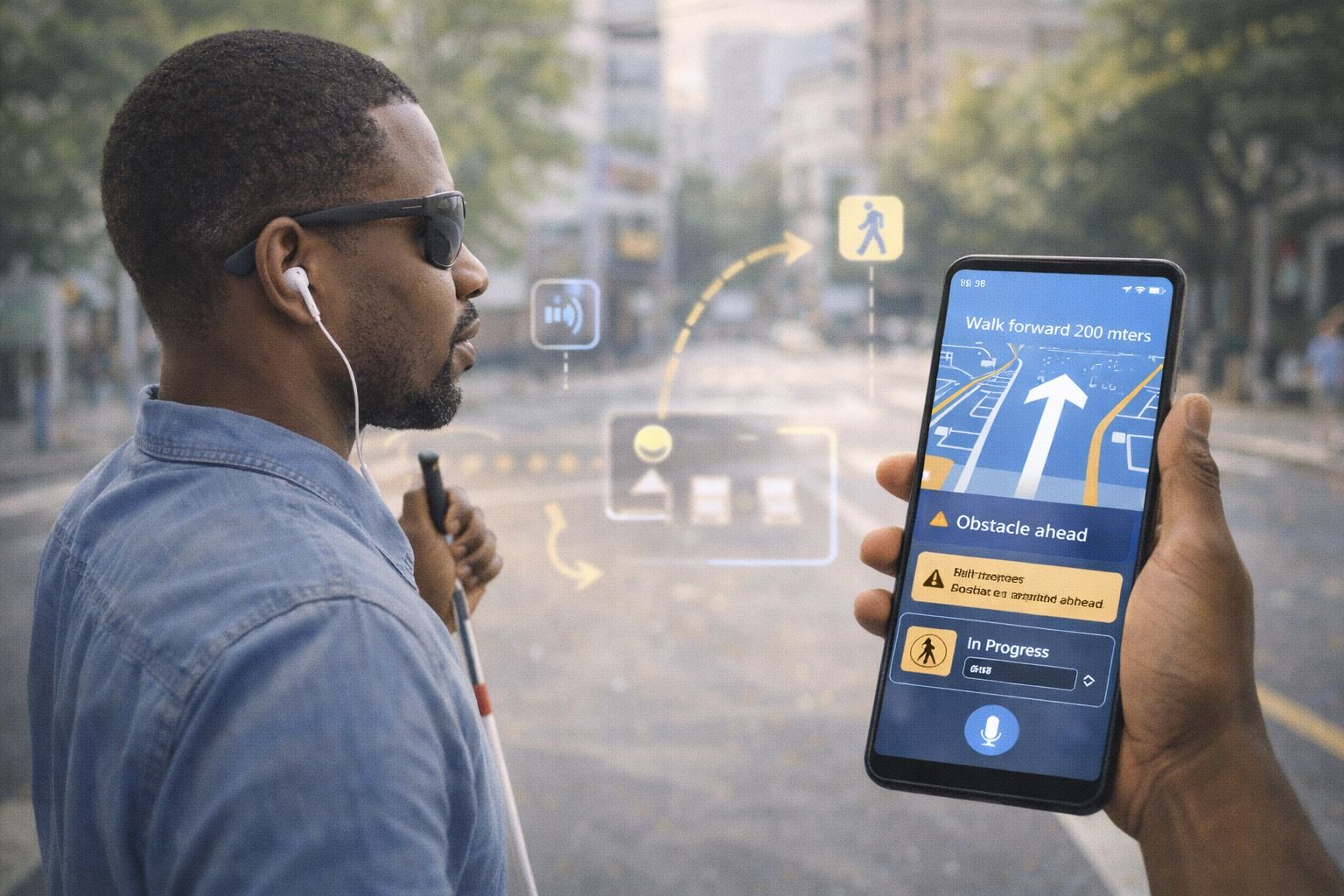
Navigating the World Without Sight — With AI as a Guide
For visually impaired individuals, something as simple as crossing the street or navigating a new building can be risky. AI-powered navigation tools are changing that reality.
Using smartphones, cameras, GPS, and sensors, AI can now:
- Describe surroundings aloud
- Identify obstacles and moving objects
- Read text from signs, menus, and documents
- Give real-time navigation instructions
Some AI systems can even recognize faces, detect currency, and describe colors — helping users interact with the world more confidently and safely. This isn’t just convenience. It’s freedom.
Why This Matters — Especially for Africa
Accessibility is often overlooked in emerging tech conversations, yet Africa has millions of people living with disabilities who are underserved by traditional systems. AI offers a chance to leapfrog barriers — not just technologically, but socially.
When we design AI with inclusion in mind, we’re not doing charity. We’re unlocking talent, creativity, and participation that society has long ignored.
AI should not widen the gap between the able and the disabled. Instead, it should narrow it.
True innovation is not measured by how advanced a system is, but by how many lives it improves. When AI helps someone communicate, move safely, or live independently, it proves one powerful truth:
AI is not just smart. It can be humane.
At GAiF, we believe Africa’s AI future must be inclusive — because technology that leaves people behind is not progress at all.
Are you joining us or staying behind?
Get Sasa by email
Generative AI, Africa now. One edition, no more than once a week.