Paper to Pixel: Thread by Thread, AI Is Weaving the Future of Fashion
How AI Is Weaving The Future of Fashion
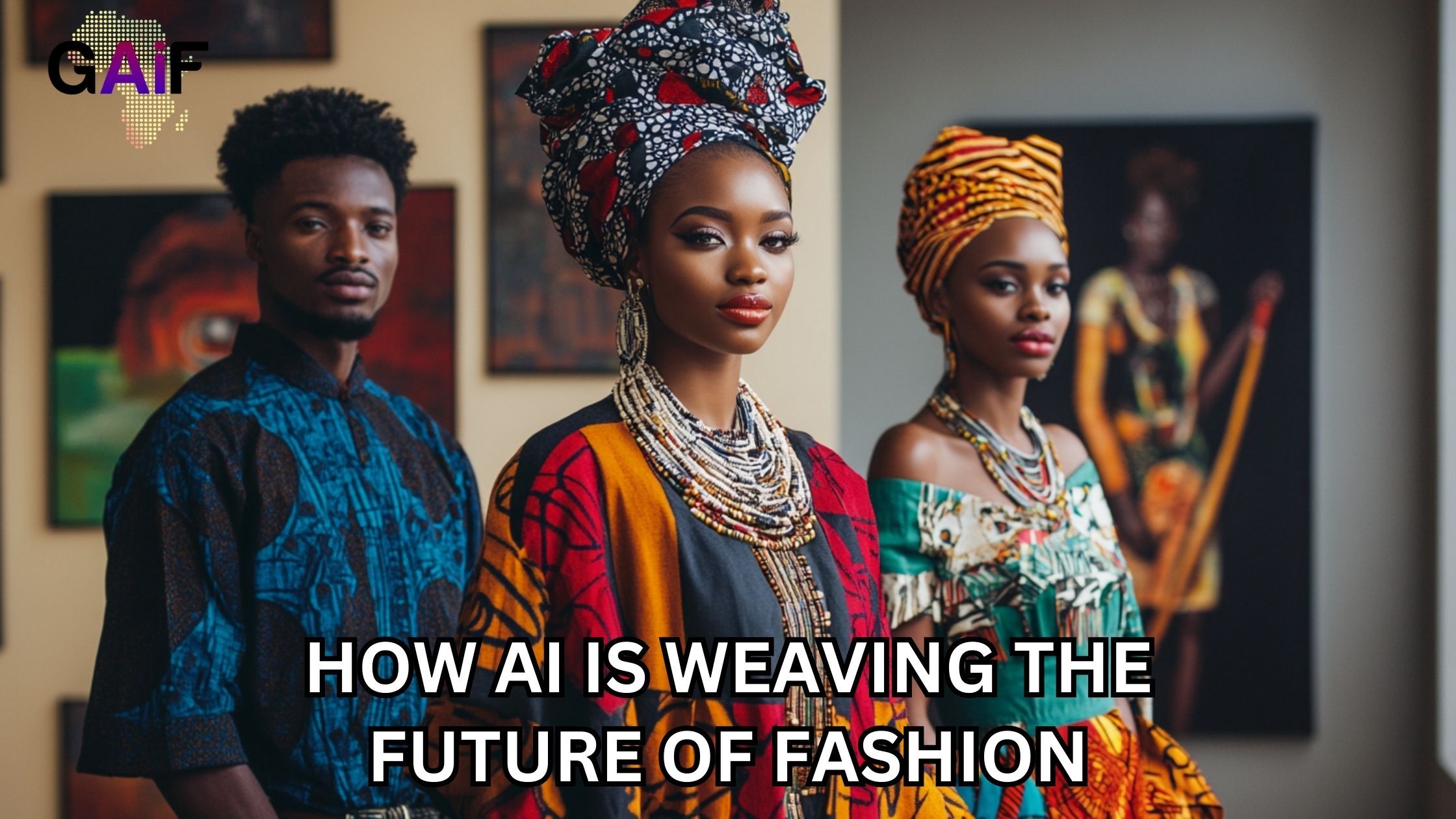
Are you a fashion designer? Blogger? Boutique owner? Or maybe you’re that person who can match kente with sneakers and still look red-carpet ready. If you’re in or around fashion—Get ready to slay in the AI game?
Let’s be honest... who knew fashion and artificial intelligence would ever be in the same sentence?
Wait, Remember When Fashion Was for Old Aunties?
There was a time when “fashion” was the domain of retired seamstresses, our lovely housewives, or that “aunty down the road” with a tape measure around her neck and a foot on a pedal machine. It wasn’t glamorous. It wasn’t techy. And it definitely wasn’t a career you told your parents about proudly.
Now, we’ve got Master’s students learning fashion design in-between writing thesis papers. Software engineers are learning to sew. Lawyers are turning designers. Creatives are using AI to design dresses in minutes—and getting paid for it too!

Evolution of Fashion Design tools
Let’s take a trip back in time, shall we?
Once upon a time, a designer sat down with a pencil and pad to bring an outfit to life. Think tracing mannequins, hand-painting patterns, and physically cutting cloth to test fit. Tailoring was precise but slow. If you wanted to see how a design looked on a plus-sized woman or a child, you had to recreate the whole thing from scratch.
Picture a small, dimly lit room. A designer hunched over a wooden table, pencil in hand, sketching outfit after outfit on paper. The lines had to be perfect. The measurements? Painstakingly calculated by hand. Patterns were drafted with rulers, scissors, and dreams.
That was the fashion world of the past. A space of raw talent, late nights, and inspiration scribbled on napkins.
Then came tools like Adobe Illustrator, CorelDRAW, and CLO 3D. These helped designers speed things up a bit—offering digital sketchpads, vector editing, and virtual fitting. But it still required a lot of manual design input and hours of tinkering.
And here we are—where computers can sketch dresses, predict next season’s trends, and even tell you which fabric combo will pop best on a runway in Paris or Accra! Now? A digital assistant can help sketch 100 designs in minutes, offer color palettes based on mood, body type, or geography, and even generate full collections in different styles—Ankara, casual chic, Afrofuturism—you name it!
Yes, darling. AI is strutting its stuff—and the fashion world is gagging!
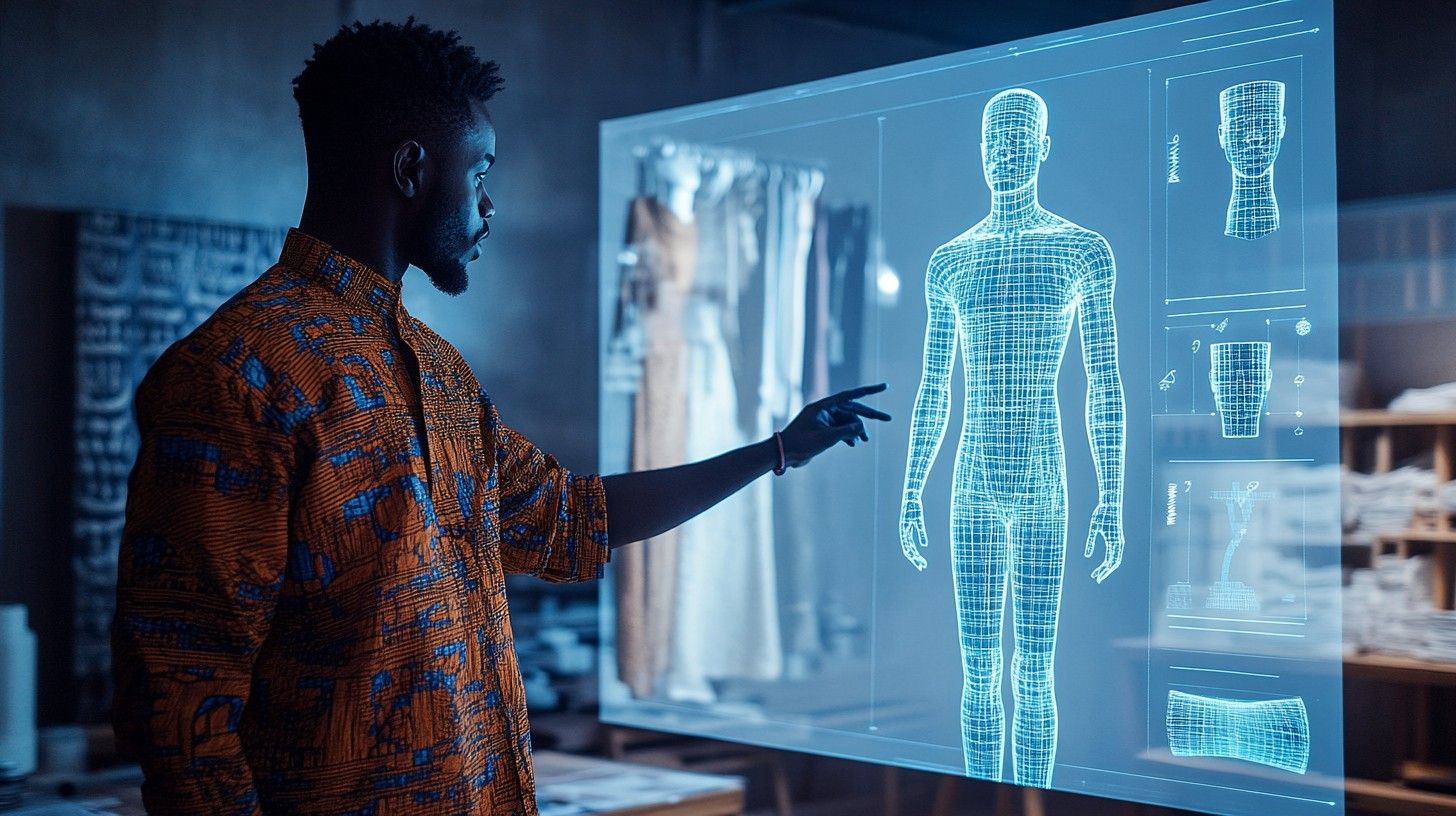
But what does AI have to do with fashion, really?
Today, fashion designers have a powerful assistant: Generative AI with tools like:
- Designify – generate mockups and designs from simple images or prompts.
- Fashable – an AI fashion design assistant that creates mood boards, sketches, and outfits based on keywords.
- CALA – lets you design, manufacture, and manage a full fashion brand with AI-powered design tools.
- Midjourney / DALL·E – generate breathtaking fashion visuals by typing descriptive text prompts.
- ZMO.AI – create virtual fashion models and try clothes on them.
- Revery AI – allows customers to see outfits on models who look like them (by size, shape, or skin tone).
- Fabrie – helps designers manage entire product life cycles using AI and visual tools.
Even better? These tools don’t need you to be a tech genius. They’re becoming more user-friendly, even for designers who only know how to use WhatsApp and Canva.
Imagine AI whispering in your ear: “Add a pleat there, sis!” or “That neckline?
Now, picture this:
A young designer sits in front of a screen, types “create a floor-length ankara gown with gold embellishments and puff sleeves” into an app...
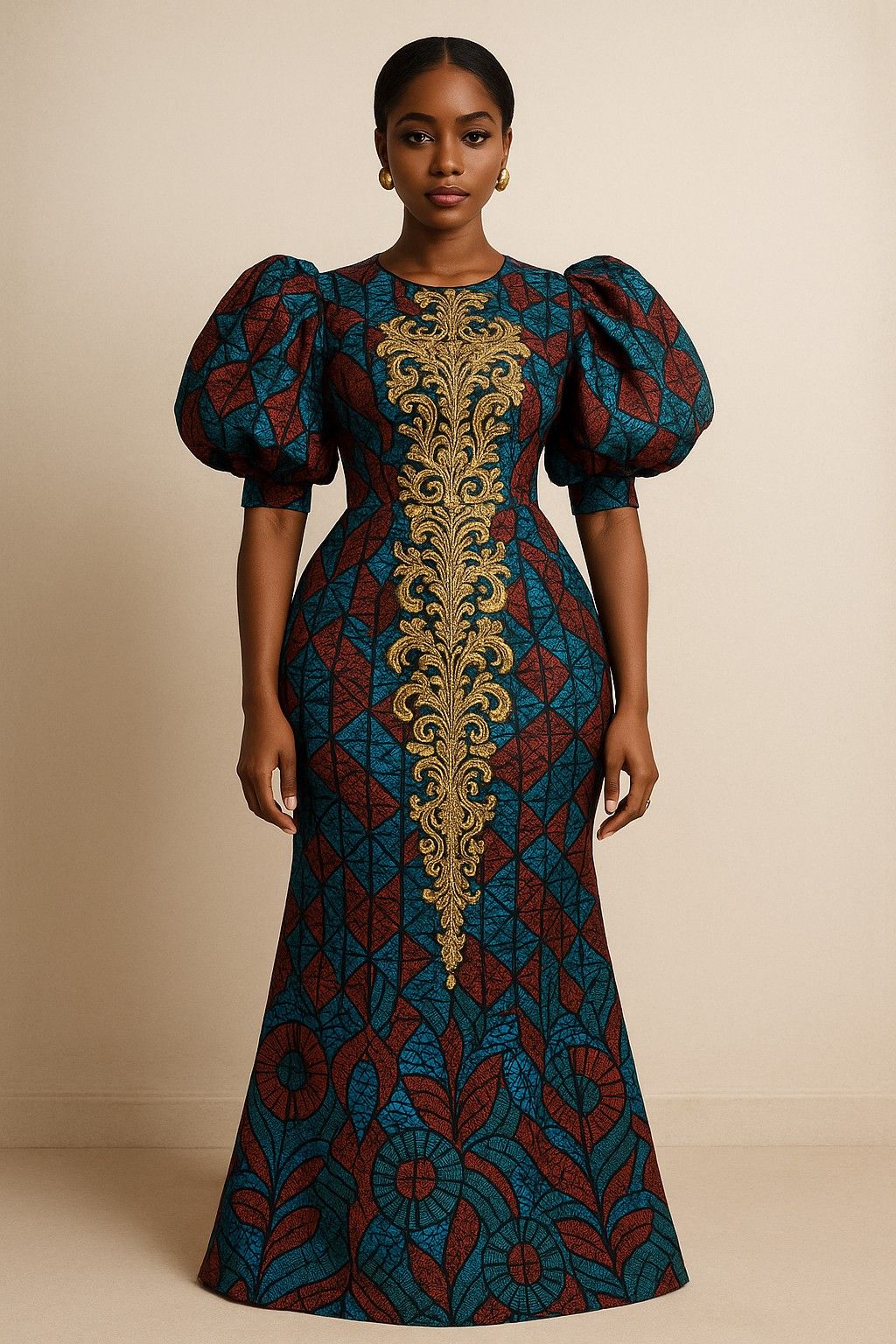
And boom—six high-quality designs are generated instantly. The fabrics are visualized. The outfit is fitted on 3D models of different sizes. The whole collection is done in a few hours—not weeks.
Welcome to fashion in the age of Artificial Intelligence.
What does this Mean for Fashion Designers
New Designers?
You’re no longer limited by lack of funds, sewing machines, or physical models. AI gives you:
- Unlimited design inspiration. You can learn design principles interactively and get instant feedback on sketches. Watch AI demos of new design techniques.
- The ability to test and tweak without wasting fabric.
- Real-time trend insights so you know what the market wants.
- Tools to build your own brand from scratch—even without formal fashion school.
It’s like having an in-house design team—without the cost.
Experienced Designers?
You now have more time to focus on creativity and innovation.
- Let AI handle your first drafts or technical flats
- Use AI to visualize designs in different colors, sizes, and fabrics before sewing
- Reduce waste, overproduction, and cost of prototyping
Your years of experience + AI tools = unstoppable design power.
So, What Does the Future Look Like?
Will Robots Take Over Sewing?
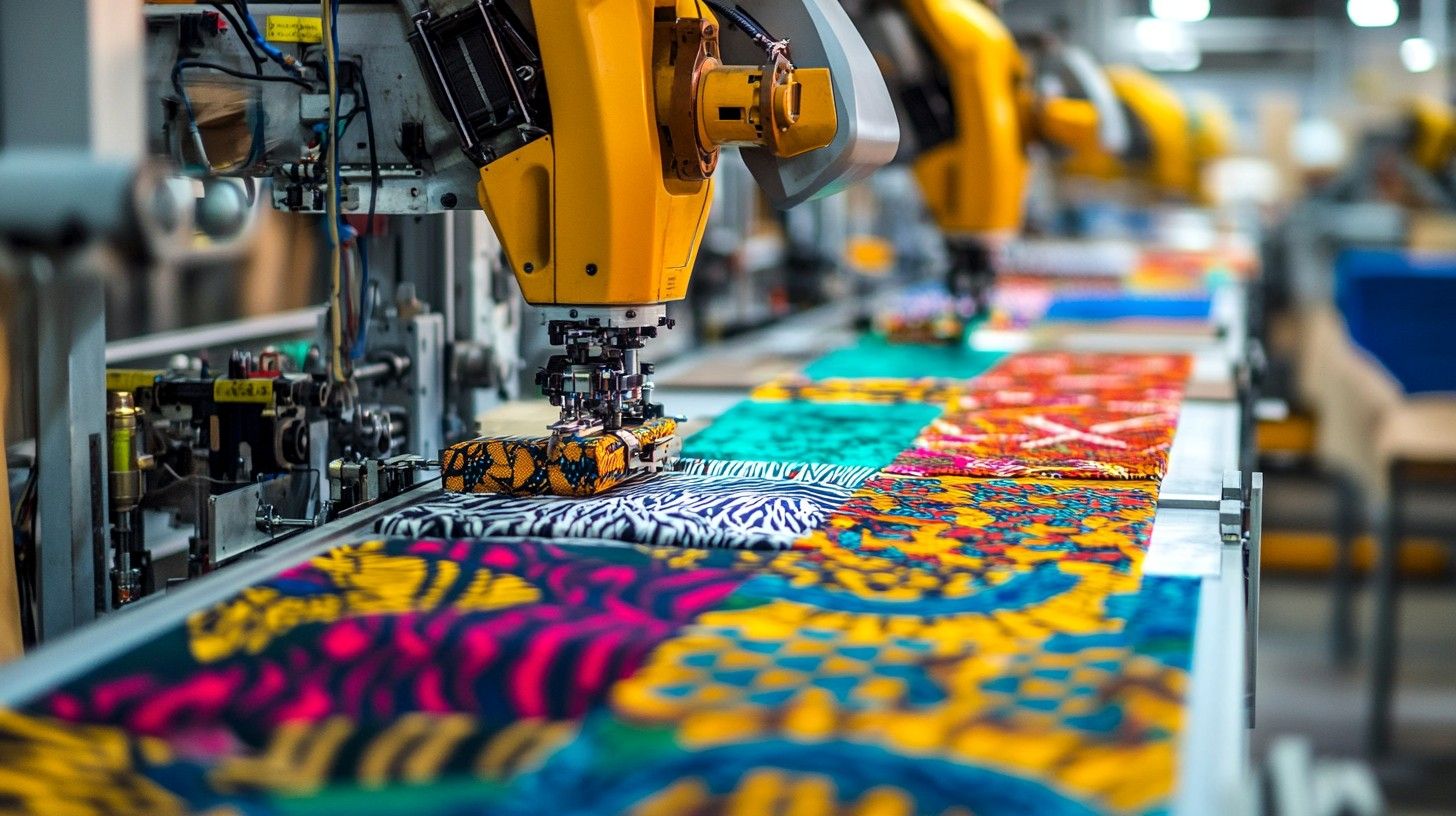
Well... not in the Terminator way (phew!), but yes—robots are already beginning to sew!
Companies like SoftWear Automation have developed sewing robots (Sewbots) that can cut and stitch simple garments like t-shirts faster and more accurately than humans. In high-tech factories, robots are automating repetitive sewing tasks, sorting materials and reducing production errors.
But here’s the good news for humans: AI can’t replace creativity. It can sew a shirt, yes, but only you can design it to tell a story, evoke emotion, or express culture.
So instead of replacing tailors and designers, we will have human-AI co-designers where robots will assist them, doing the heavy lifting while humans focus on innovation.
Will Fashion Schools Still Exist?
Absolutely—but they must evolve with hybrid teaching (in-person + AI labs).
Fashion schools will likely partner with tech companies to offer AI-integrated curriculums.
Think of fashion schools becoming innovation hubs—where creativity meets code, and culture meets computation.
Imagine walking into a design class, and instead of starting with paper, you're handed a tablet connected to an AI tutor that guides your creativity. That's the classroom of the future.

Will Runways Still Matter?
Oh yes—but not in the same way. Fashion runways will likely exist as:
Virtual models and digitized fashion shows (already happening in the metaverse).Imagine hologram models, AI-powered lighting, and virtual try-ons at the end of the runway.
So, the runway isn’t dying—it’s just getting smarter.
In the future, we’ll see a fashion industry that’s smarter, more inclusive, and sustainable, with personalized fashion recommendations made by AI stylists, 3D-printed garments designed entirely by artificial intelligence, and the ability to tell our cultural stories using futuristic technology.
And Africa?
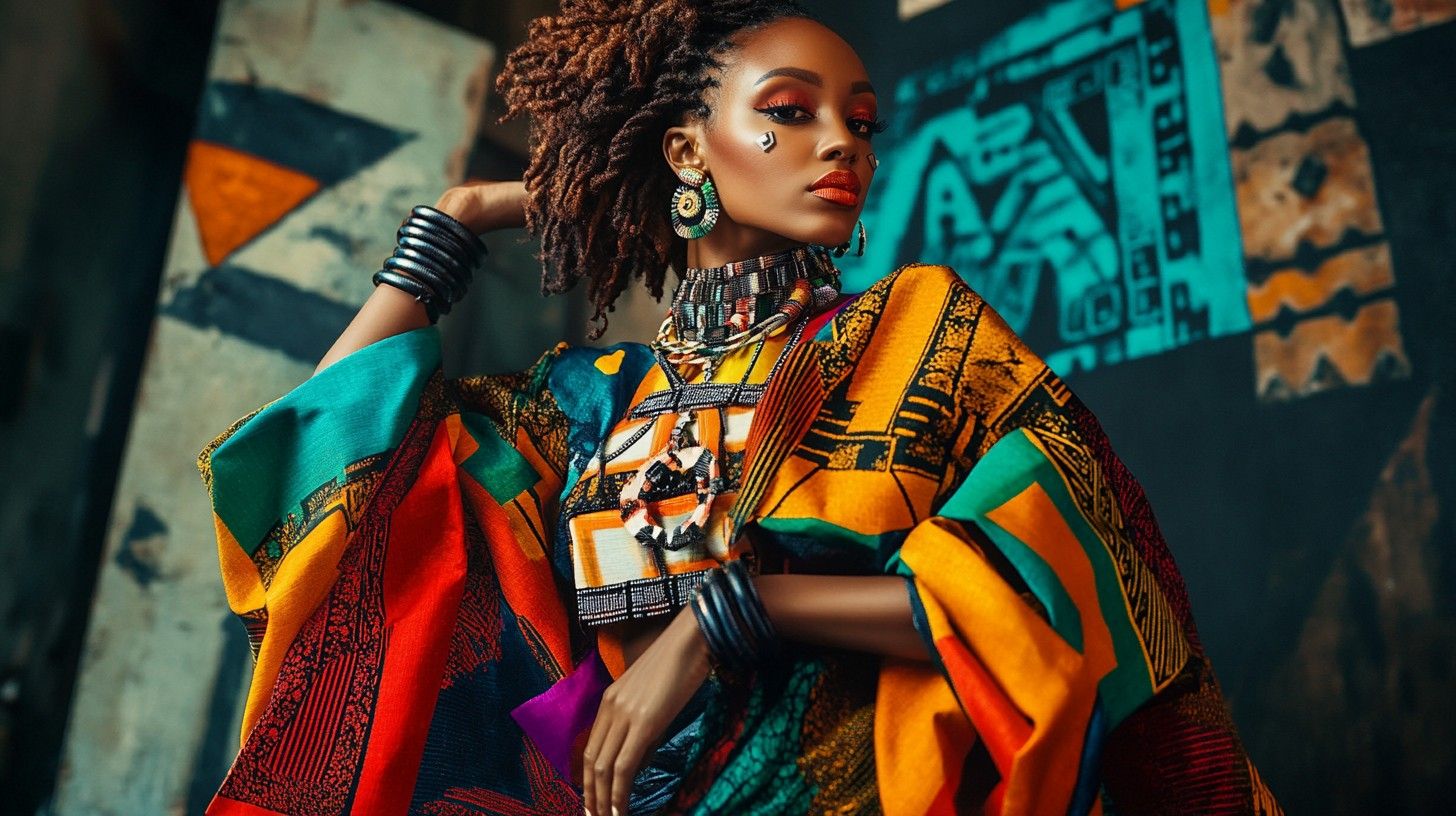
Africa has a bold, vibrant, and unapologetic fashion culture. We can’t afford to sit out this transformation. We have the stories, the fabrics, the creativity. What we need now is the tech.
So... What’s Stopping You?
This is for everyone. If you’ve ever drawn a dress on paper, struggled to describe your dream outfit to a tailor, or wished your fashion sketches could come to life—this is your moment.
AI has opened doors for people who love fashion but never thought they had “the hands” for it. You don’t need to draw. You don’t need to sew. You don’t need to be born in a tailor’s house.
Join GAiF. Learn AI. Design differently. And let’s create an African fashion future powered by technology, creativity, and community.
Whether you're team "AI is cool but scary" or "I'm ready to build with it!", GAiF is your tribe.
PS:
Tag your fashion friends. Share this with your creative circle. Let’s not leave anyone behind—Let’s make Africa the next big name in AI.
Get Sasa by email
Generative AI, Africa now. One edition, no more than once a week.