
Neural Networks Explained.
Neural networks made simple
Introduction
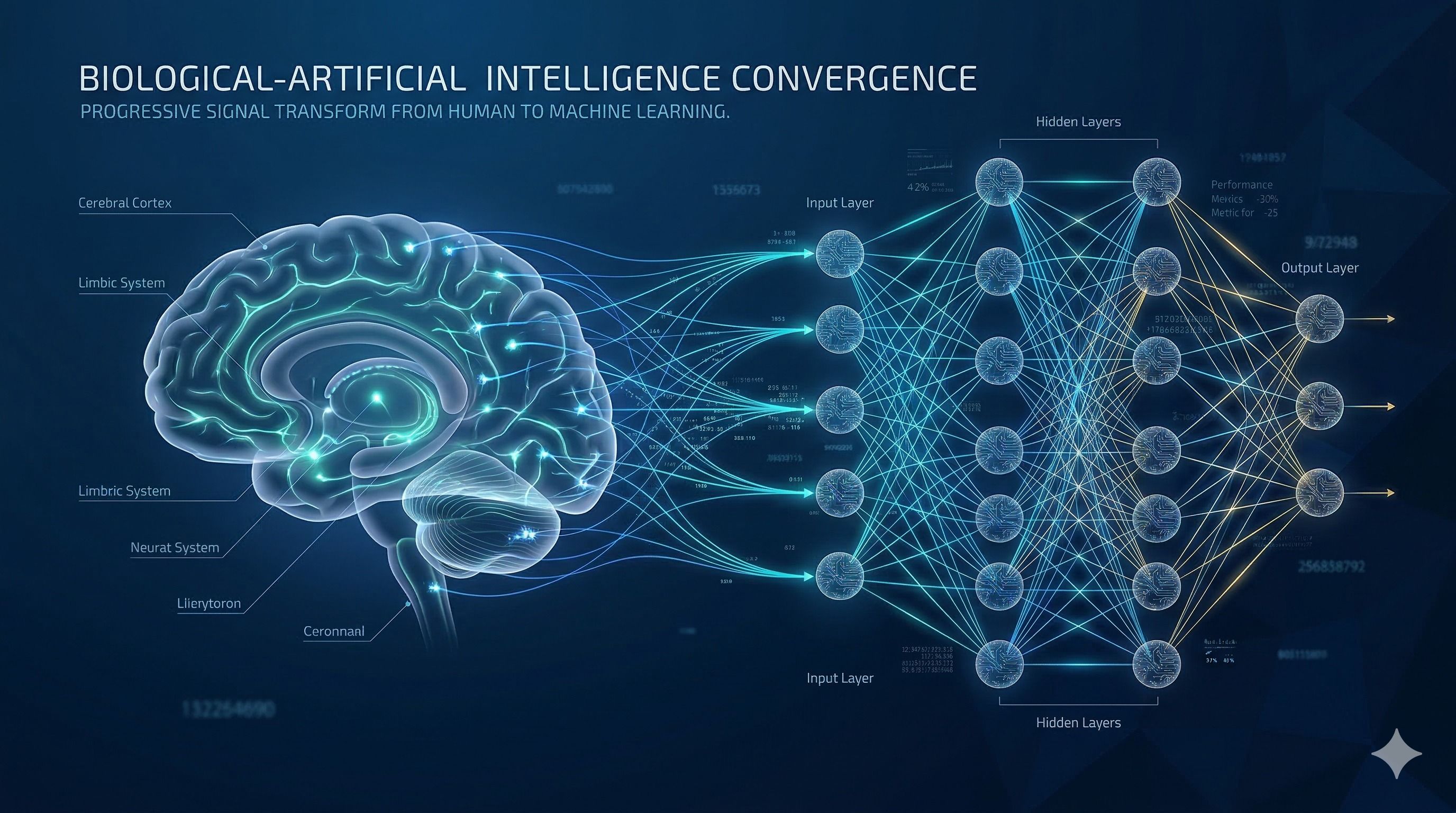
Neural networks are the foundation of modern Artificial Intelligence and Deep Learning systems. They are designed to simulate how the human brain processes information, enabling machines to recognize patterns, make decisions, and solve complex problems.
From image recognition to language translation, neural networks power many of the intelligent systems used today. This article provides a detailed explanation of how neural networks work, their structure, key components, and real-world applications.
What Is a Neural Network?
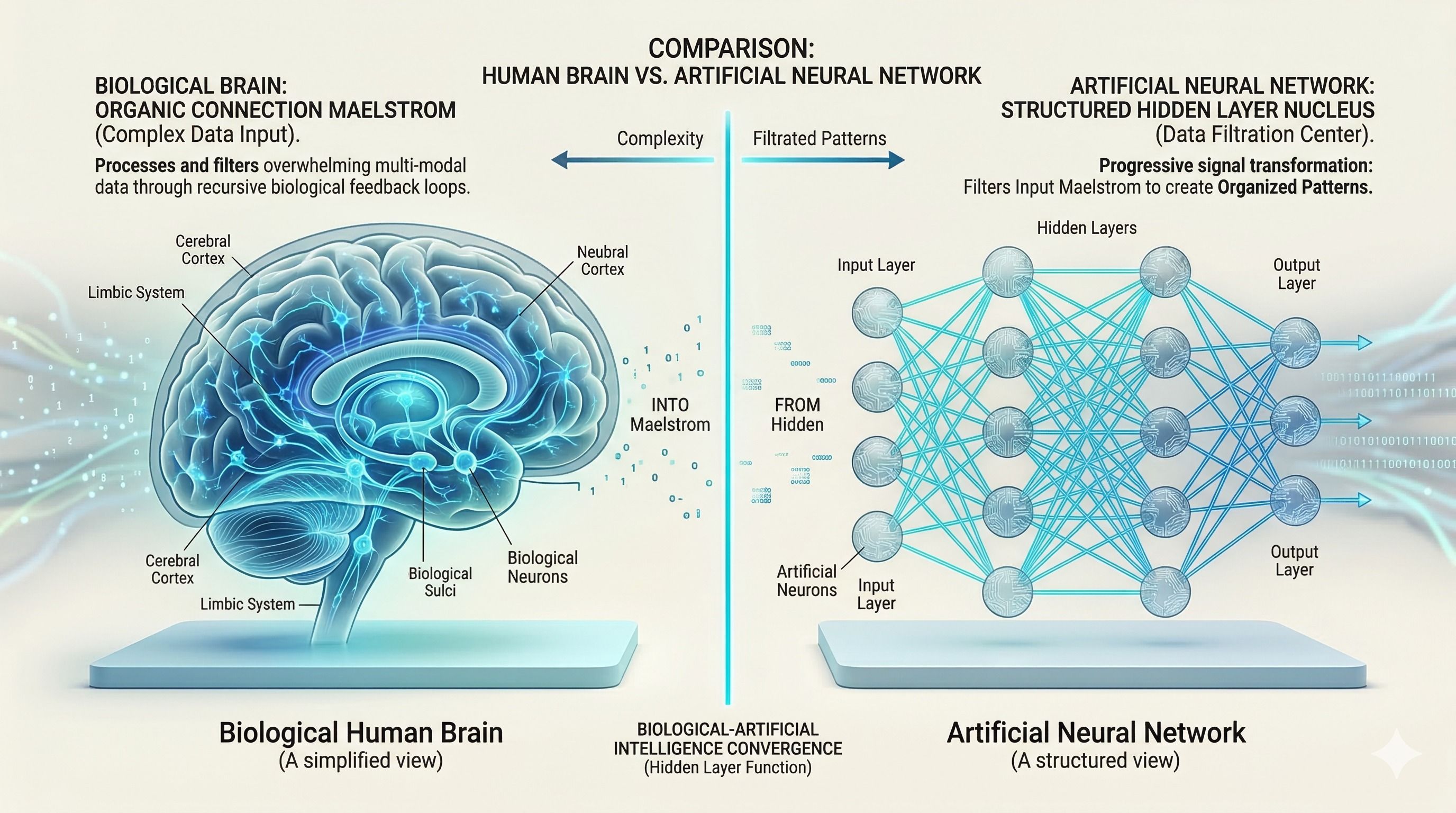
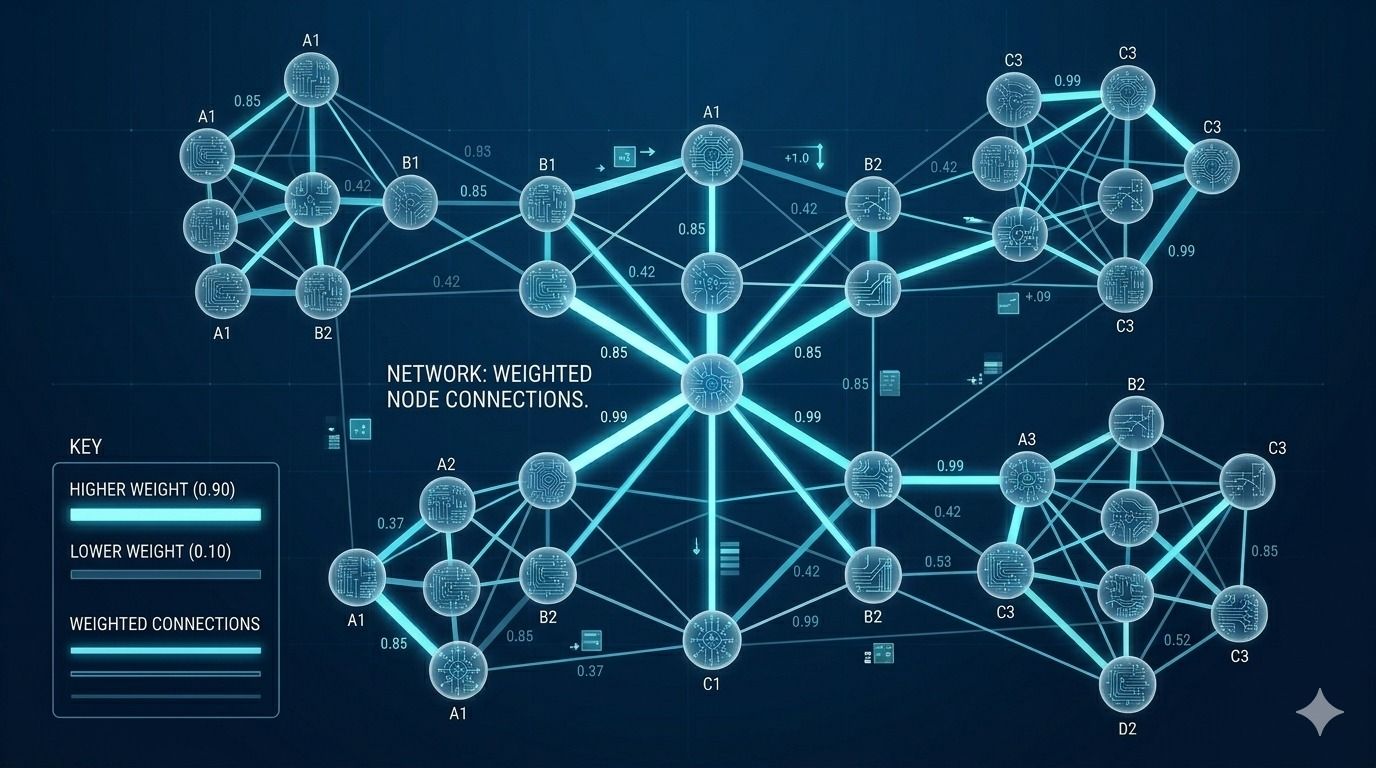
A neural network is a computational model composed of interconnected nodes, known as neurons, organized in layers. These neurons process input data and pass information through the network to produce an output.
Each connection between neurons has an associated weight, which determines the strength of the signal being passed. During training, the network adjusts these weights to improve its predictions.
Structure of a Neural Network
A typical neural network consists of three main types of layers:
1. Input Layer
The input layer receives the initial data. Each neuron in this layer represents a feature of the dataset.
For example, in a dataset predicting house prices, inputs might include size, location, and number of rooms.
2. Hidden Layers
Hidden layers perform the core computations. A network can have one or many hidden layers, depending on its complexity.
These layers transform the input data into more abstract representations, allowing the model to learn patterns.
3. Output Layer
The output layer produces the final result.
- For classification problems, it may output probabilities for each class.
- For regression problems, it may output a numerical value.
How Neural Networks Work
The operation of a neural network can be broken down into several steps:
1. Input Data
Data is fed into the input layer.
2. Weighted Sum
Each neuron multiplies inputs by weights and sums them.
3. Activation Function
The result is passed through an activation function to introduce non-linearity.
4. Forward Propagation
Data moves through the network from input to output.
5. Loss Calculation
The model’s prediction is compared to the actual value using a loss function.
6. Backpropagation
The network adjusts its weights to minimize error. This process is repeated multiple times during training until the model achieves acceptable performance.
Activation Functions
Activation functions determine whether a neuron should be activated. They allow neural networks to model complex relationships.
Common activation functions include:
- ReLU (Rectified Linear Unit) – Most widely used in hidden layers
- Sigmoid – Outputs values between 0 and 1
- Tanh – Outputs values between -1 and 1
- Softmax – Used in output layers for multi-class classification
Types of Neural Networks
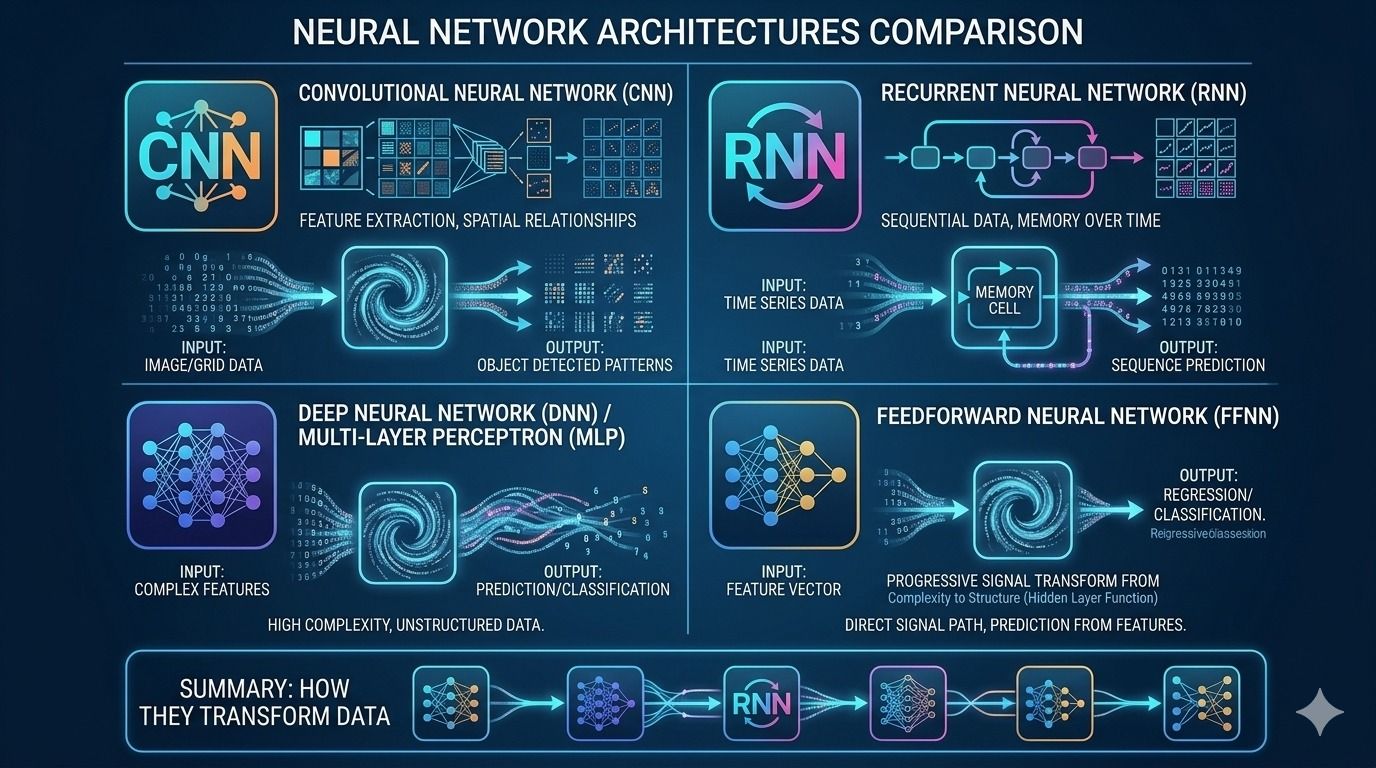
1. Feedforward Neural Networks
Information flows in one direction from input to output without loops.
2. Convolutional Neural Networks (CNNs)
Designed for image and visual data processing.
3. Recurrent Neural Networks (RNNs)
Used for sequential data such as time series and text.
4. Deep Neural Networks (DNNs)
Neural networks with multiple hidden layers, forming the basis of deep learning.
Real-World Applications
Neural networks are applied in many domains:
- Image recognition and object detection
- Speech recognition systems
- Natural language processing and chatbots
- Medical diagnosis
- Financial forecasting
- Recommendation systems
Advantages of Neural Networks
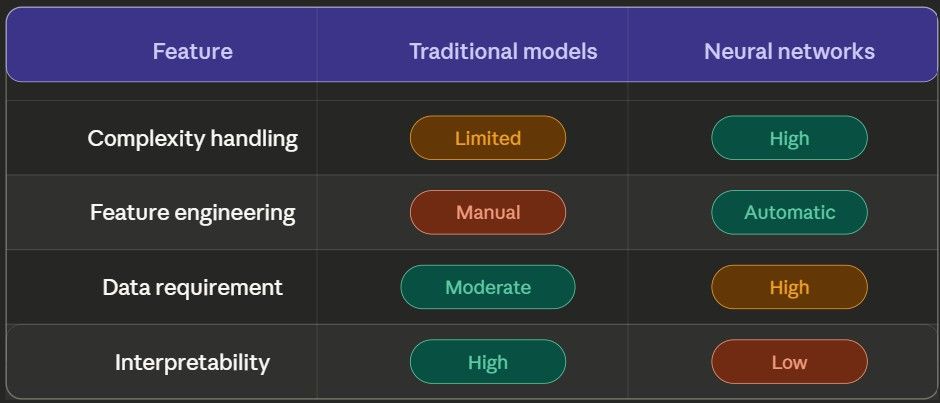
- Capable of learning complex patterns
- Can handle large and high-dimensional data
- Automatically extract features from raw data
- Adaptable to many types of problems
Limitations of Neural Networks
- Require large datasets for effective training
- Computationally expensive
- Often difficult to interpret (black-box nature)
- Training can be time-consuming
Neural Networks vs Traditional Models
Conclusion
Neural networks are a fundamental component of modern Artificial Intelligence systems. By simulating the way the human brain processes information, they enable machines to learn from data and solve complex problems.
Understanding neural networks provides a strong foundation for exploring advanced topics such as deep learning, computer vision, and natural language processing. As technology continues to evolve, neural networks will remain central to innovation in AI.
Get Sasa by email
Generative AI, Africa now. One edition, no more than once a week.