
Semi-Supervised Learning Explained
Less labels, better learning

Introduction
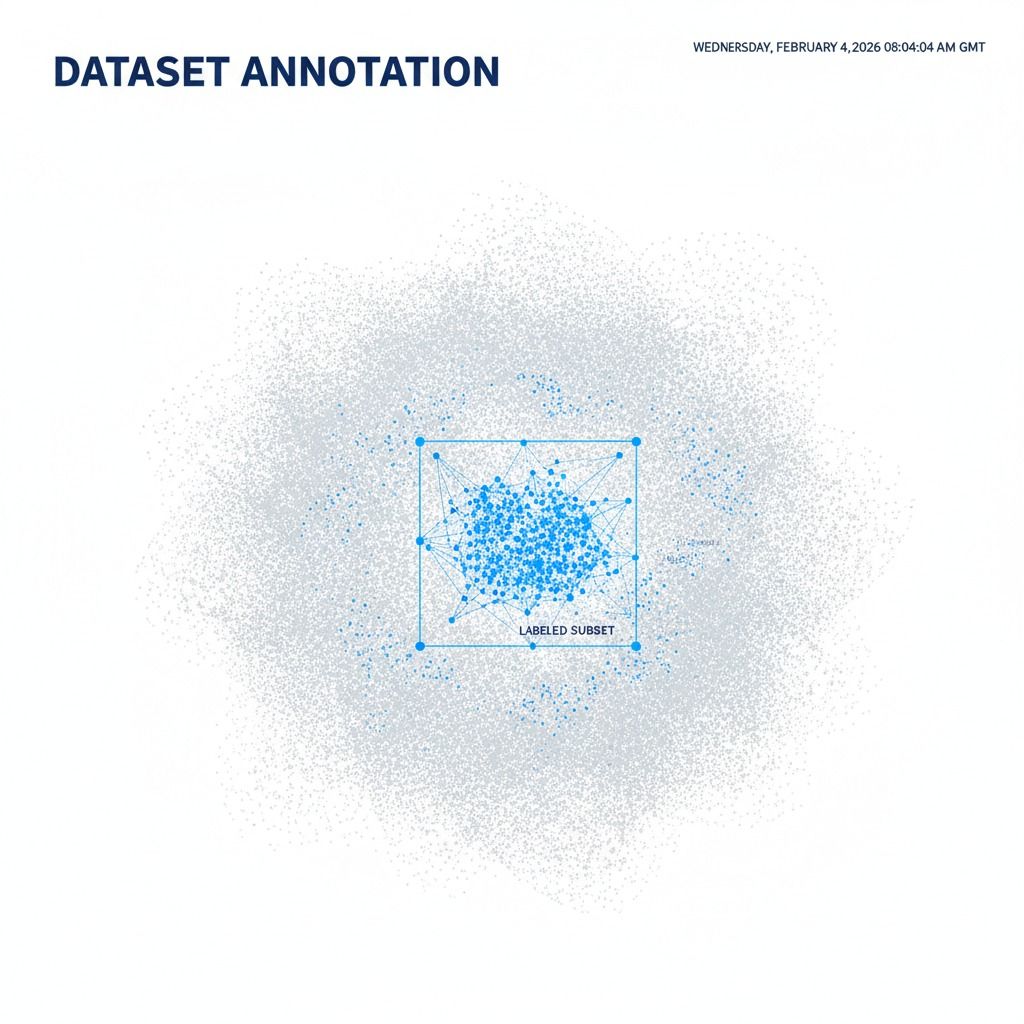
Semi-supervised learning is a machine learning approach that combines elements of both supervised and unsupervised learning. In this method, a model is trained using a small amount of labeled data together with a large amount of unlabeled data. This approach is particularly useful when labeling data is expensive, time-consuming, or requires expert knowledge.
Semi-supervised learning aims to improve learning accuracy by leveraging the structure and patterns found in unlabeled data while still being guided by labeled examples.
Why Semi-Supervised Learning Is Important
In many real-world scenarios, large volumes of data are readily available, but only a small portion of it is labeled. Fully supervised learning may perform poorly in such situations due to insufficient labeled data, while unsupervised learning may lack clear guidance.
Semi-supervised learning provides a balance by using limited labeled data to guide the learning process and unlabeled data to enhance model understanding.
How Semi-Supervised Learning Works
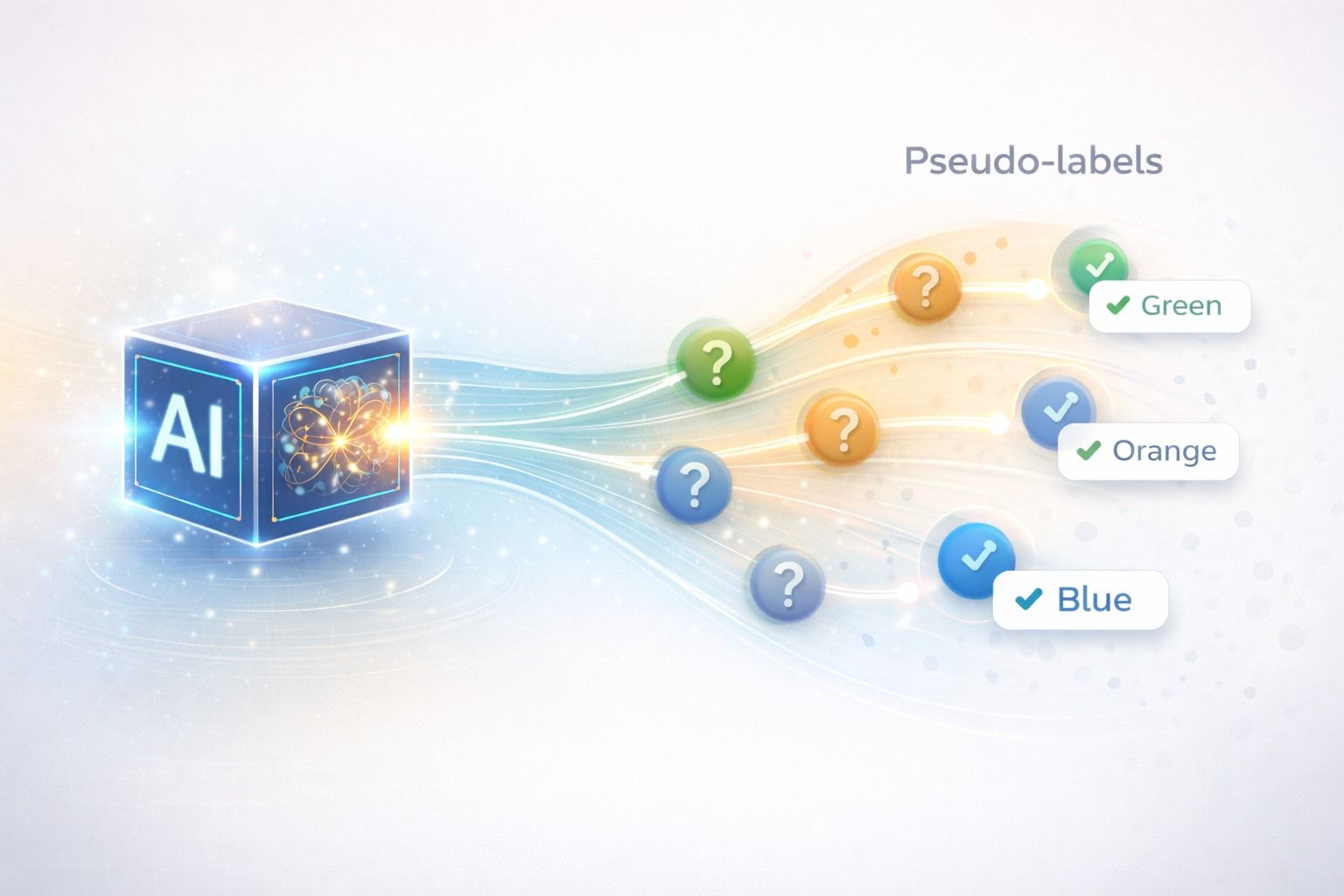
The training process begins with a small labeled dataset that provides initial guidance to the model. The algorithm then analyzes the unlabeled data to identify patterns, similarities, or clusters. These patterns help refine the model’s decision boundaries and improve predictions.
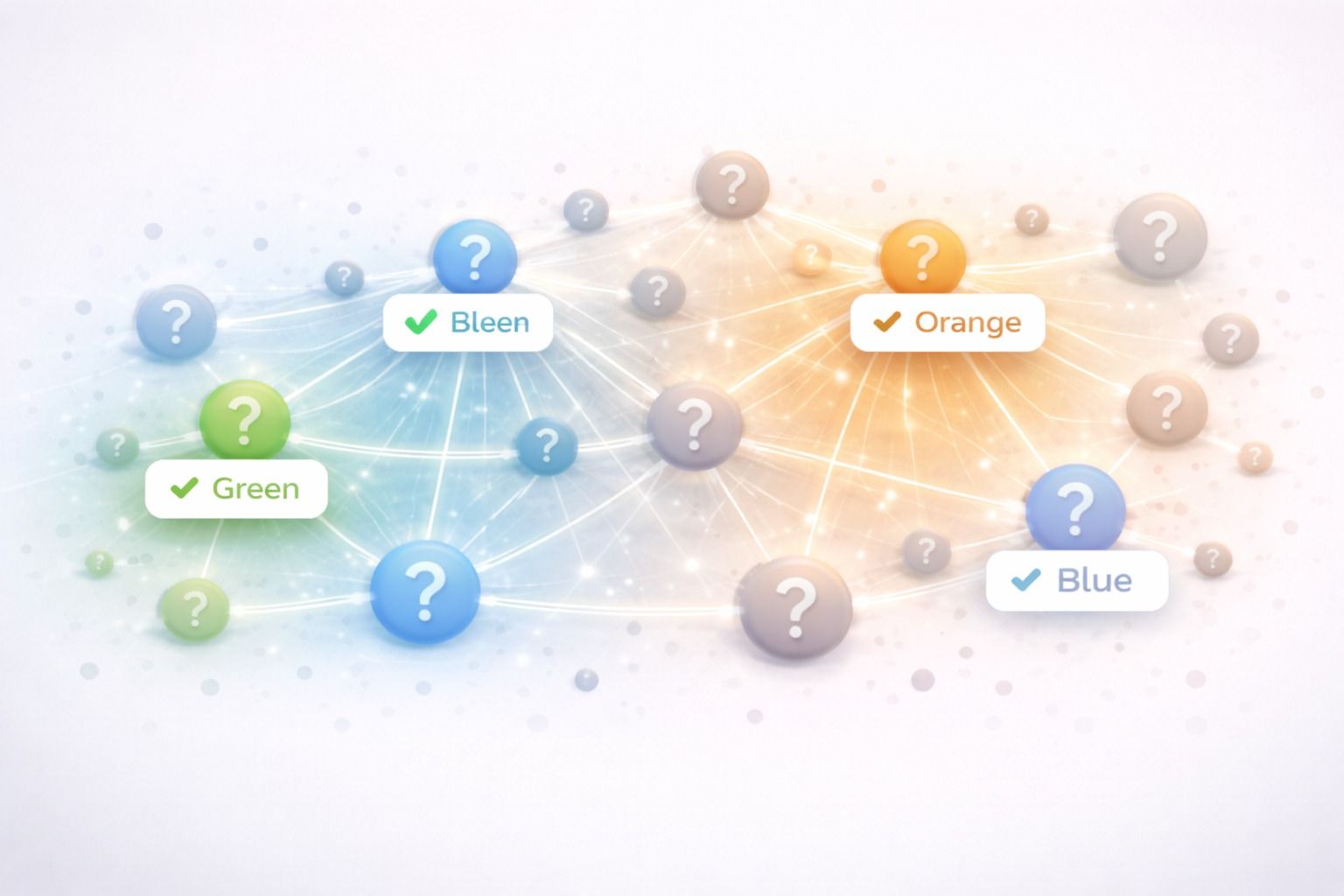
In some techniques, the model assigns pseudo-labels to unlabeled data based on its current predictions, which are then used to retrain and improve the model.
Common Semi-Supervised Learning Techniques
1. Self-Training
In self-training, the model is first trained on labeled data. It then predicts labels for unlabeled data, and the most confident predictions are added to the training set.
2. Co-Training
Co-training uses two or more models trained on different feature sets. Each model labels unlabeled data for the other, improving overall performance.
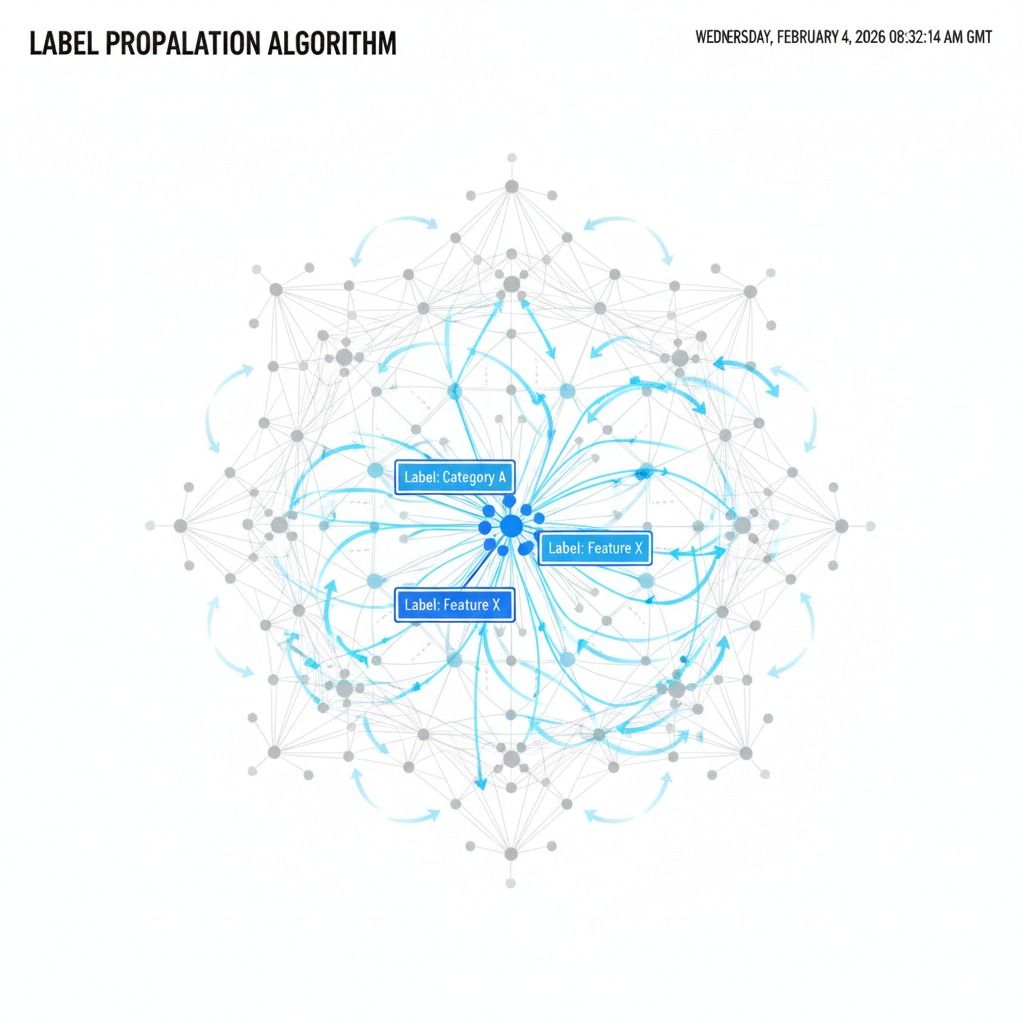
3. Graph-Based Methods
These methods represent data as nodes in a graph, where edges reflect similarity between data points. Labels are propagated through the graph based on these relationships.
Popular Semi-Supervised Learning Algorithms
Some commonly used algorithms include:
- Label Propagation
- Label Spreading
- Semi-Supervised Support Vector Machines (S3VM)
- Generative Models with unlabeled data
- Neural networks with pseudo-labeling
Real-World Applications of Semi-Supervised Learning
Semi-supervised learning is widely used in situations where labeled data is limited:
- Medical image analysis
- Speech recognition systems
- Text classification and sentiment analysis
- Fraud detection
- Web content categorization
Advantages of Semi-Supervised Learning
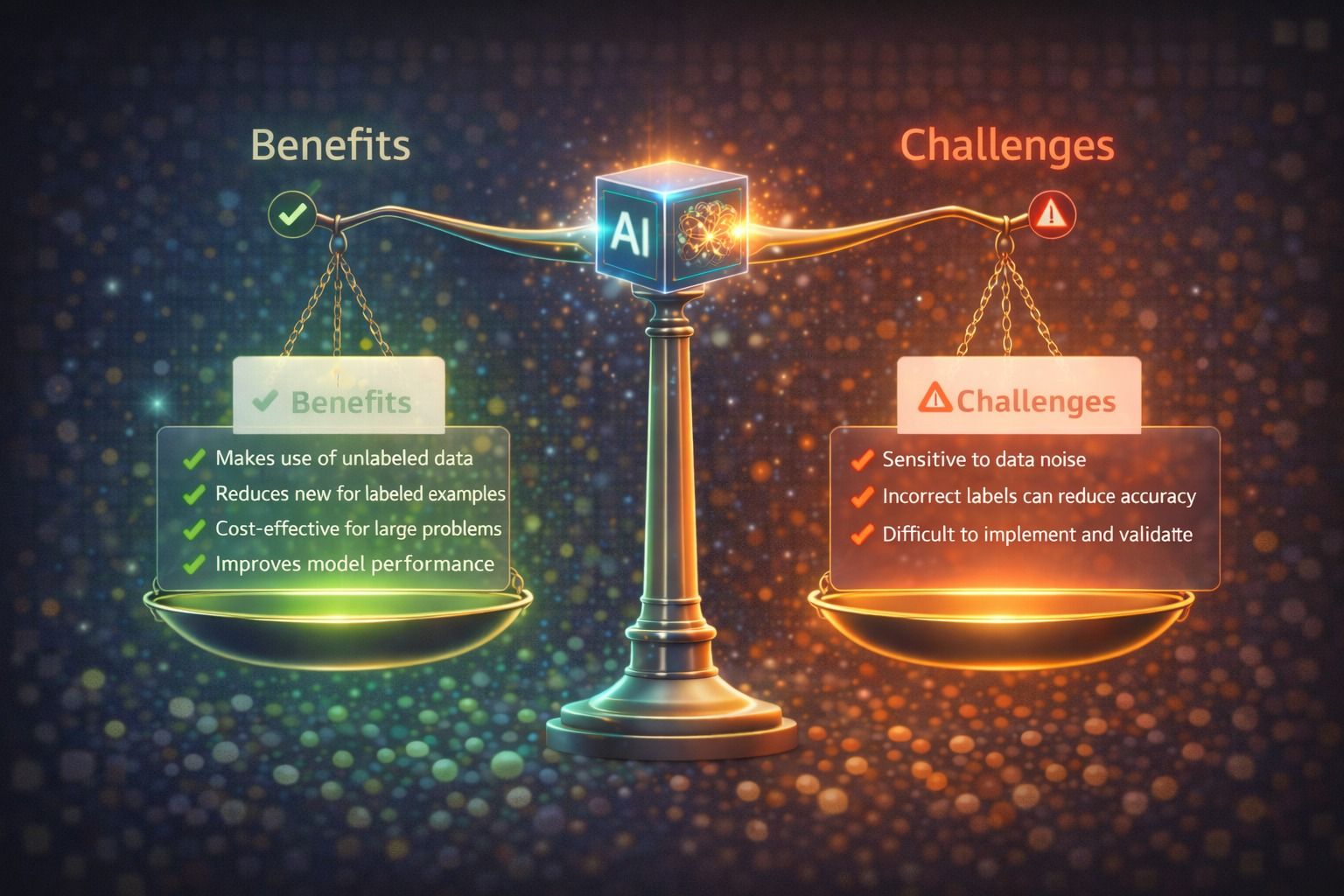
- Reduces the need for large labeled datasets
- Improves model performance compared to unsupervised learning
- Makes use of abundant unlabeled data
- Cost-effective for large-scale problems
Limitations of Semi-Supervised Learning
- Incorrect pseudo-labels can reduce model accuracy
- More complex to implement than supervised learning
- Sensitive to data distribution and noise
- Requires careful validation
Conclusion
Semi-supervised learning bridges the gap between supervised and unsupervised learning by combining the strengths of both approaches. It enables machine learning models to learn efficiently from limited labeled data while extracting valuable information from unlabeled data. As data availability continues to grow, semi-supervised learning is becoming increasingly important in practical AI applications.
Get Sasa by email
Generative AI, Africa now. One edition, no more than once a week.