
Top 10 Python Libraries for Data Science.
Learn the essential Python libraries

Data Science has become one of the most exciting fields today , from analyzing business data to powering artificial intelligence models. And when it comes to data science, Python is the go-to language.
Python has a rich ecosystem of libraries that make data analysis, visualization, and machine learning much easier , even for beginners.
1. NumPy - The Foundation of Numerical Computing
NumPy (Numerical Python) provides support for large, multi-dimensional arrays and matrices, along with mathematical functions to operate on them efficiently.
Example:
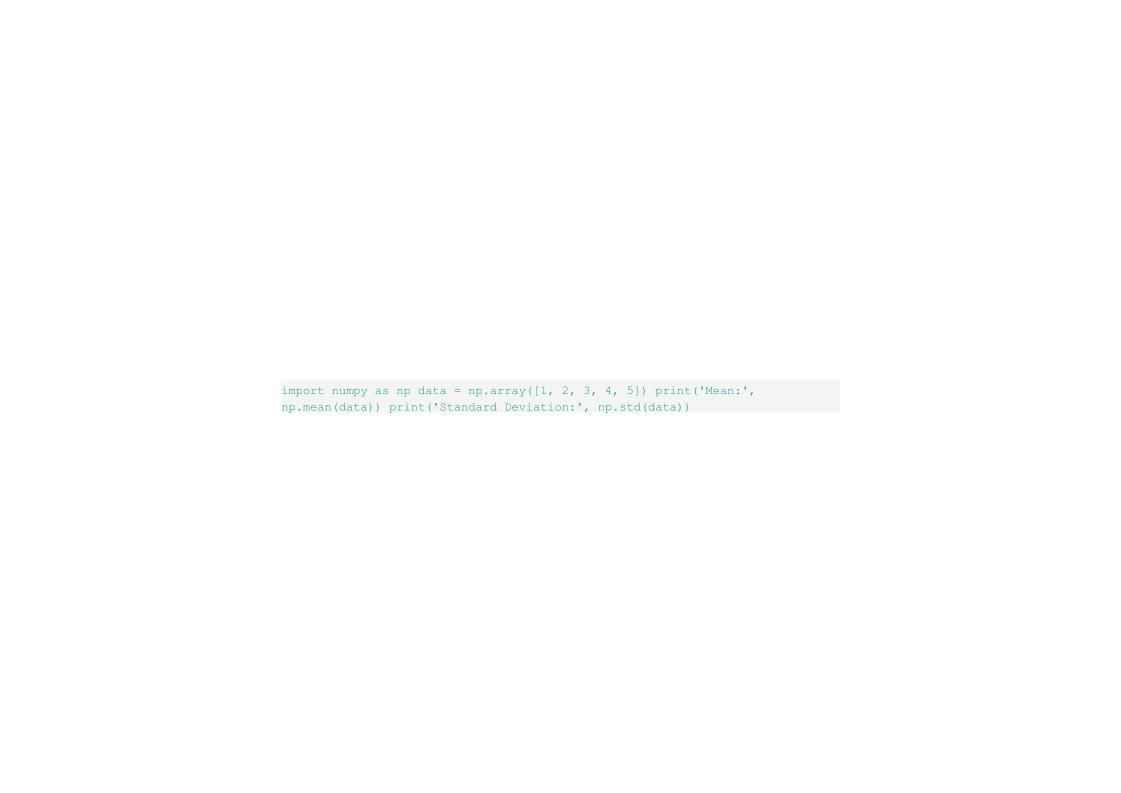
- Use it when: You need fast mathematical operations, matrix manipulations, or numerical computations.
2. pandas - The King of Data Manipulation
pandas is built on top of NumPy and provides two main data structures: Series (1D) and DataFrame (2D). It’s perfect for data cleaning, transformation, and analysis.
Example:
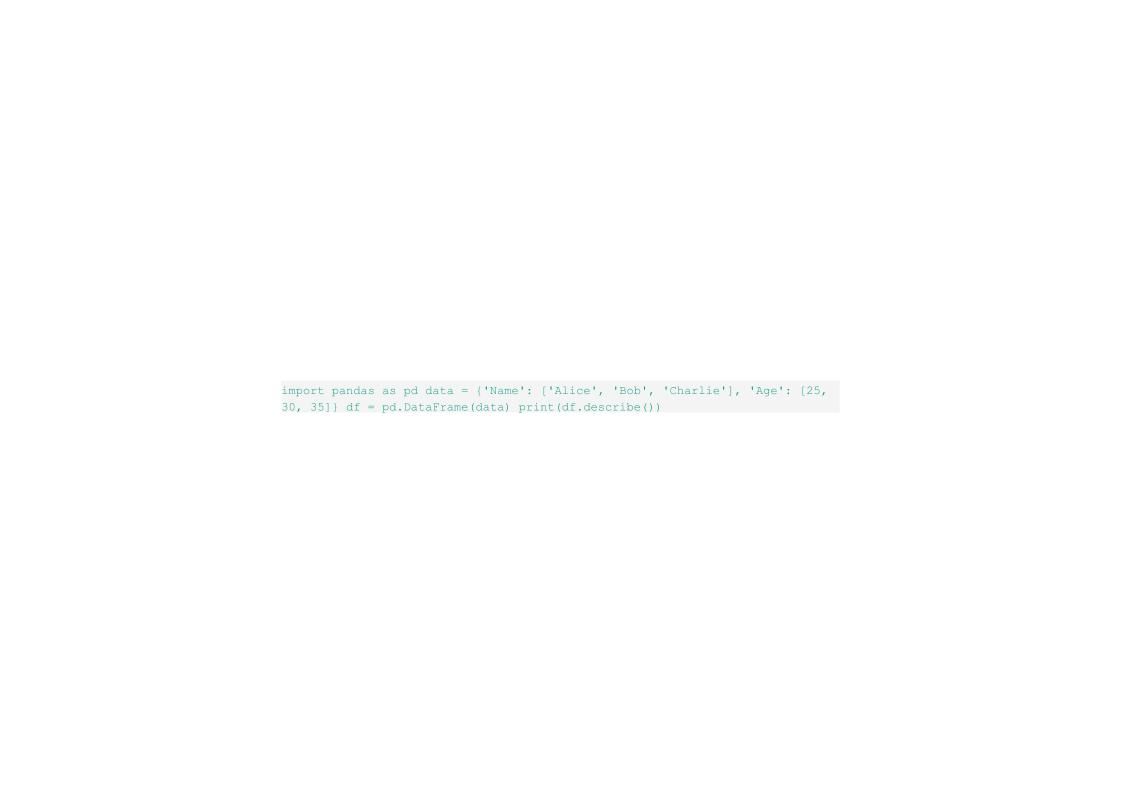
Use it when: You’re dealing with structured data like CSV files, Excel sheets, or databases.
3. Matplotlib - The Classic Visualization Library
Matplotlib lets you create static, animated, and interactive visualizations in Python.
Example:
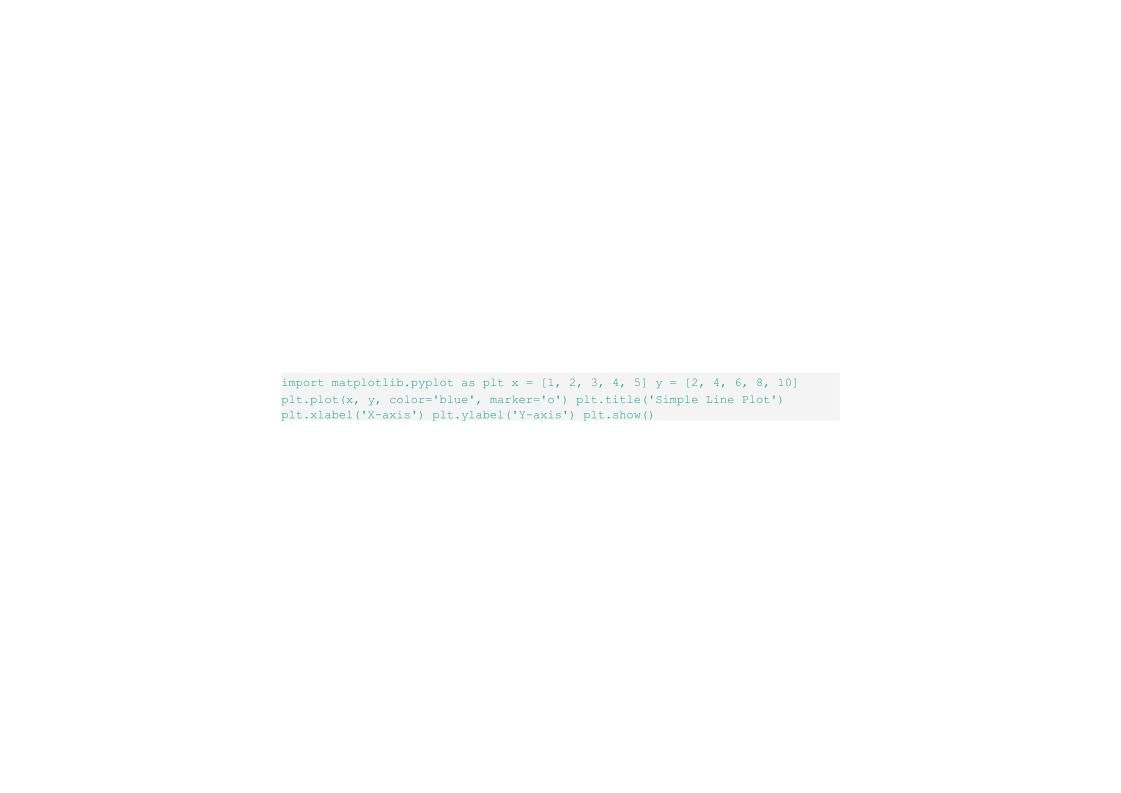
Use it when: You need full control over your visualizations or want to customize every element of a chart.
4. Seaborn - Beautiful Statistical Visualizations
Built on top of Matplotlib, Seaborn makes it easier to create beautiful and informative statistical plots.
Example:
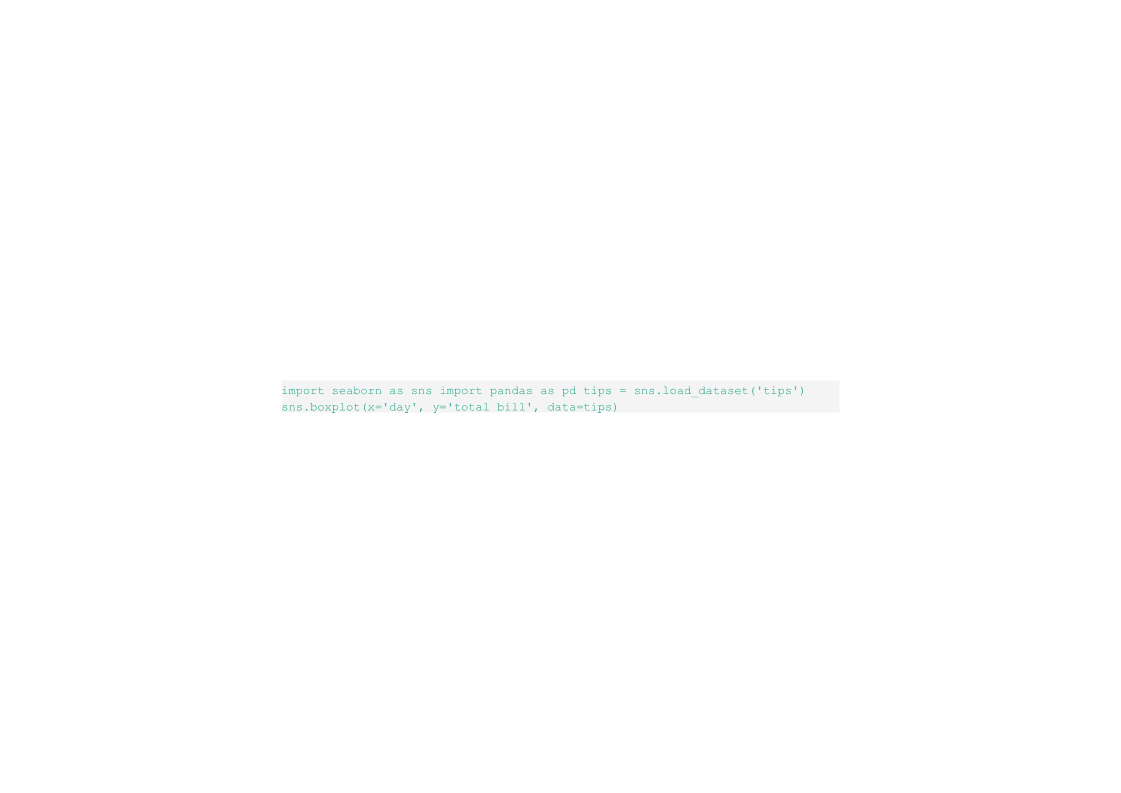
Use it when: You want to visualize data patterns, correlations, or distributions quickly.
5. Scikit-learn - Machine Learning Made Easy
Scikit-learn is the most popular library for machine learning in Python. It offers tools for classification, regression, clustering, and model evaluation.
Example:
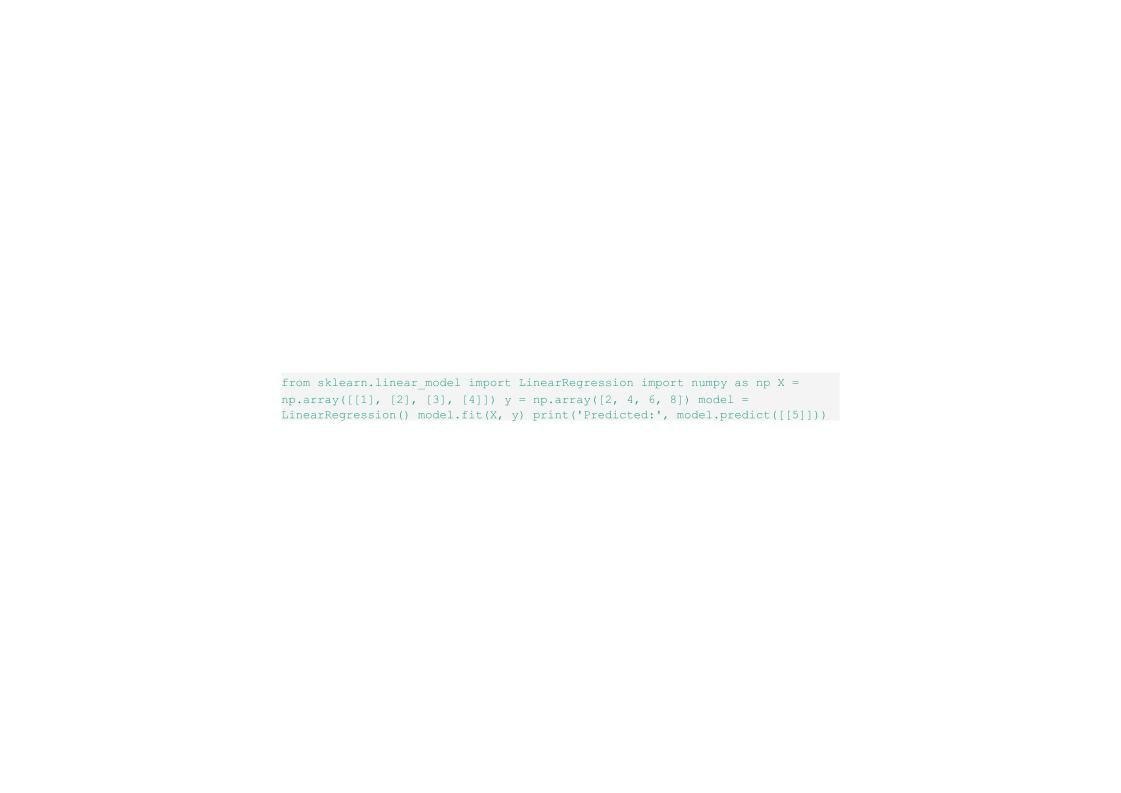
Use it when: You want to build or test machine learning models quickly.
6. SciPy - Advanced Scientific Computing
SciPy builds on NumPy to provide advanced tools for optimization, signal processing, integration, and statistics.
Example:
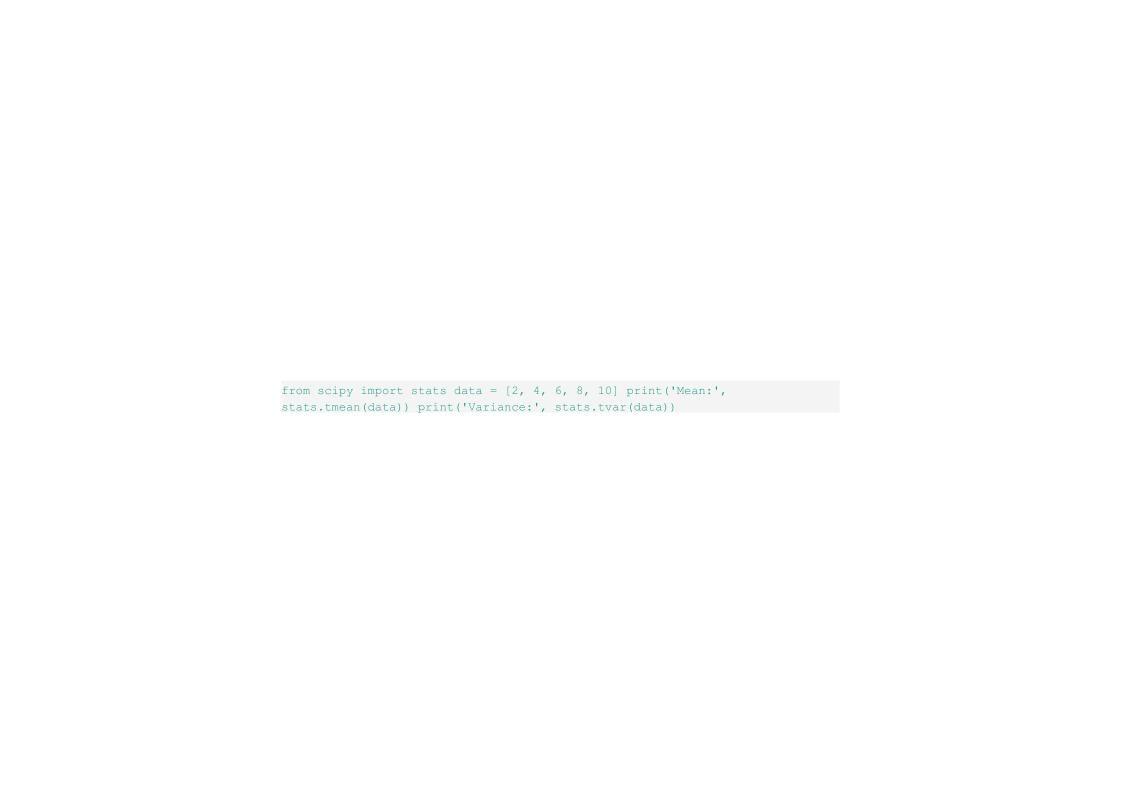
Use it when: You need advanced mathematical or statistical computations.
7. TensorFlow - Deep Learning Framework by Google
TensorFlow is a powerful framework for building and training deep learning models.
Example:
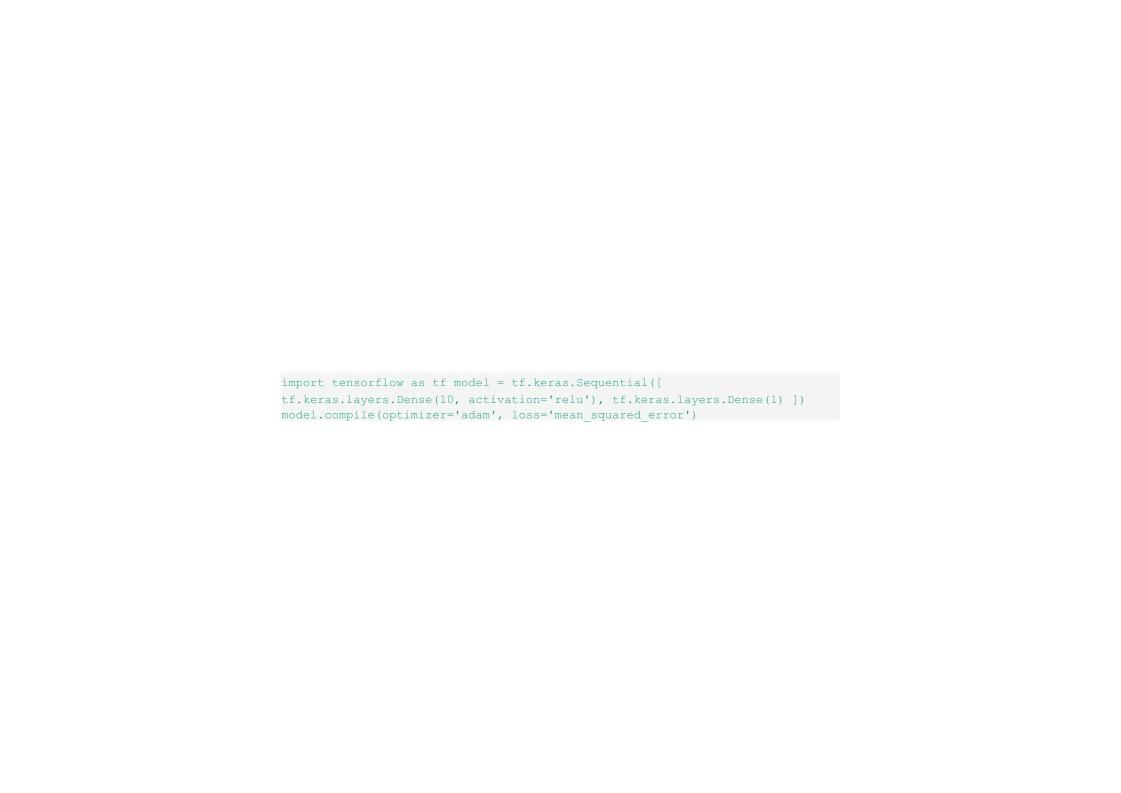
Use it when: You’re working on neural networks, AI, or large-scale machine learning.
8. Keras - Simplicity on Top of TensorFlow
Keras is a high-level API for building and training deep learning models in just a few lines.
Example:
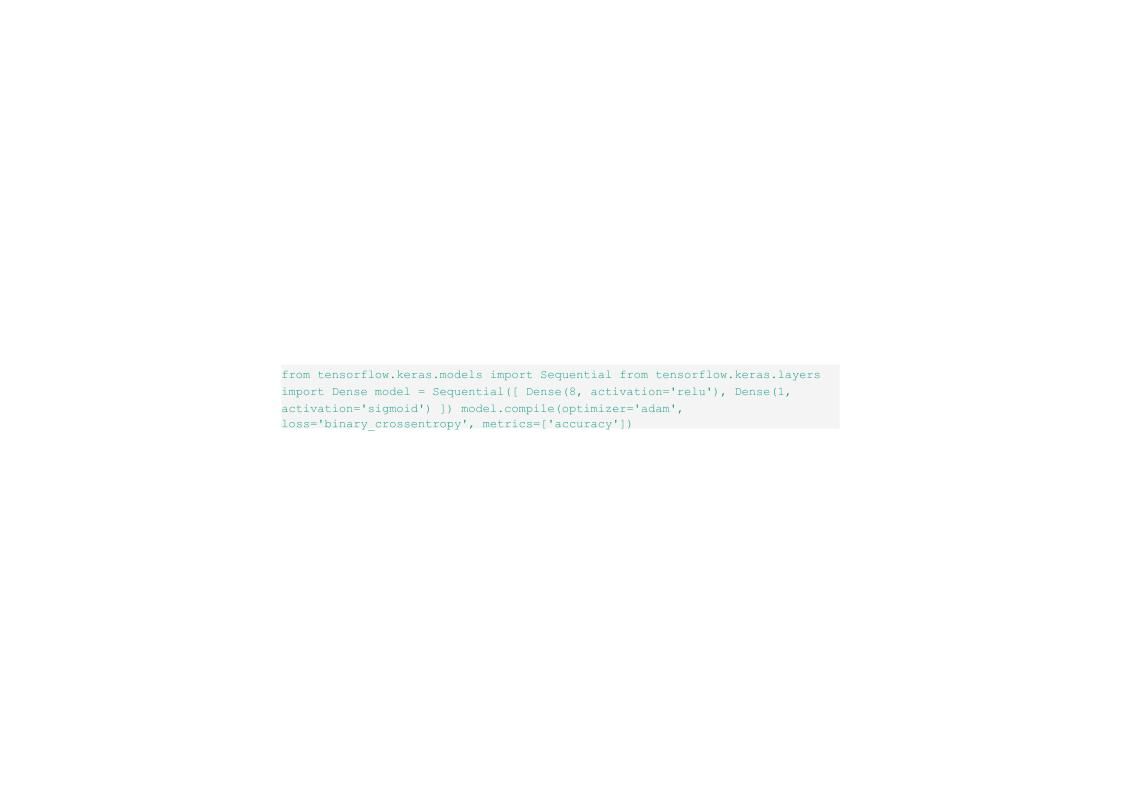
Use it when: You want a beginner-friendly interface for deep learning projects.
9. Statsmodels - For Classical Statistics
Statsmodels are used for statistical analysis and hypothesis testing, such as regression, time series, and probability models.
Example:
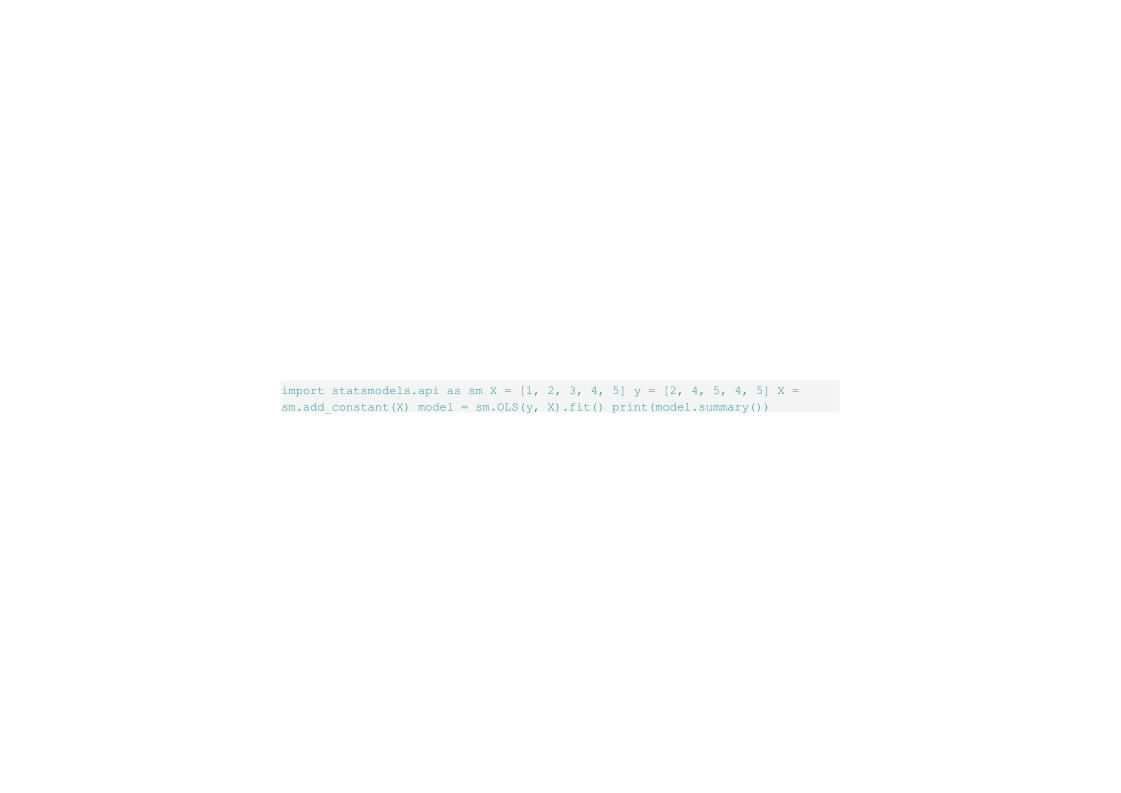
Use it when: You need deep insights into model parameters, p-values, and statistical tests.
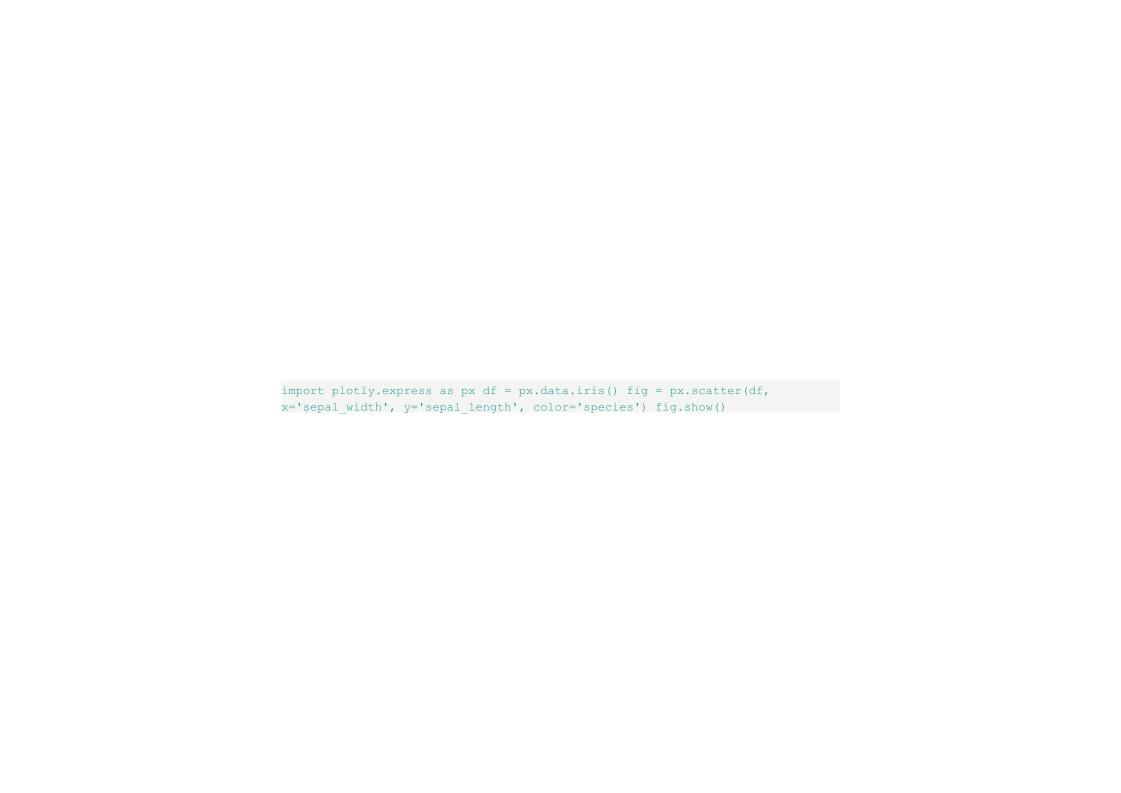
10. Plotly - Interactive Dashboards and Visualizations
Plotly is a library for creating interactive, web-based visualizations , great for dashboards and presentations.
Example:
Use it when: You want modern, interactive, and shareable data visualizations.
Final Thoughts
Each of these libraries plays a vital role in the data science workflow , from cleaning data
and visualizing insights to building predictive models.
Start by mastering NumPy, pandas, and Matplotlib , they’ll make learning the rest much easier!
Get Sasa by email
Generative AI, Africa now. One edition, no more than once a week.