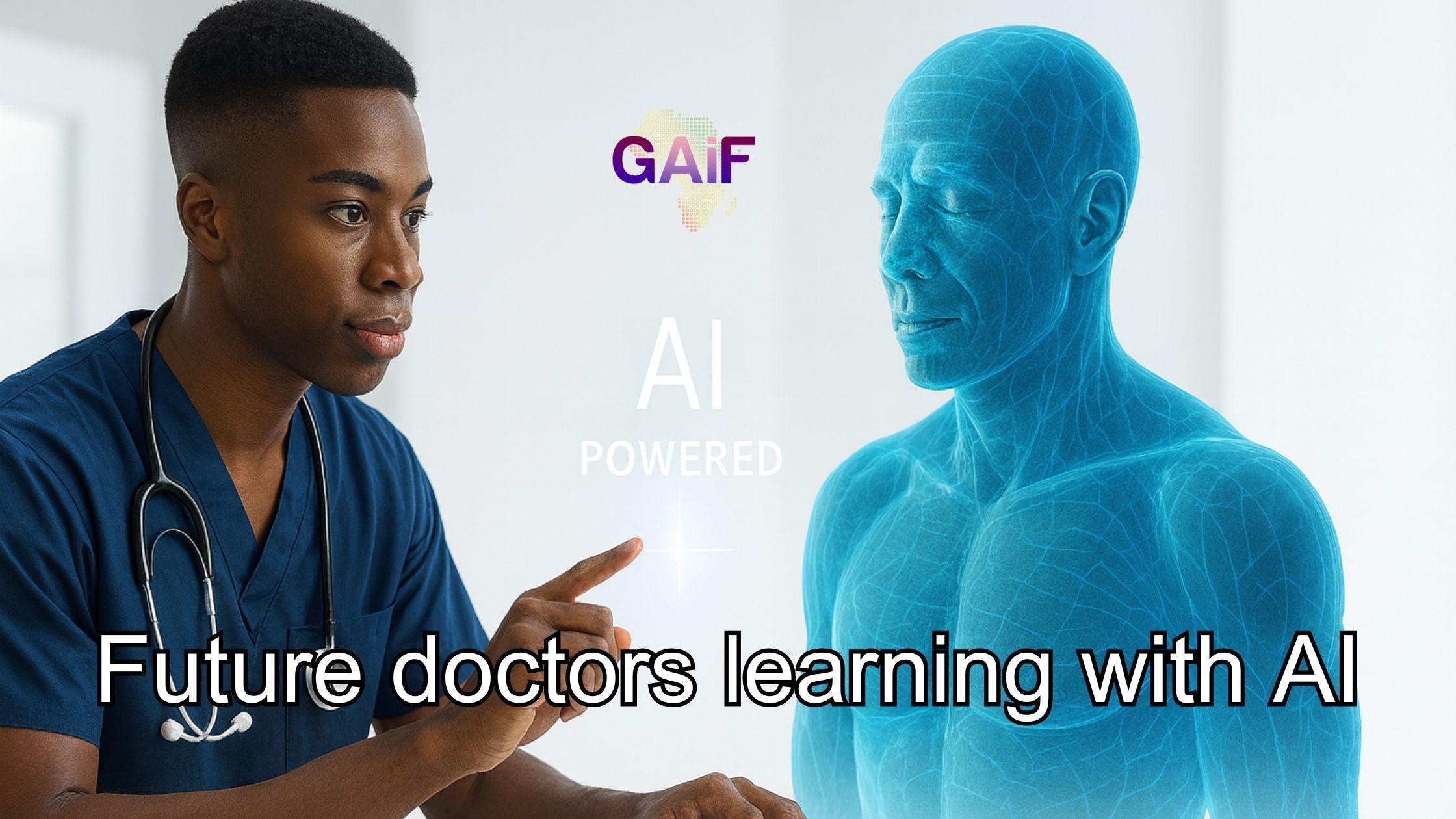
How AI is Revolutionizing Medical Diagnosis for Students and Future Doctors
AI reshaping medical student training
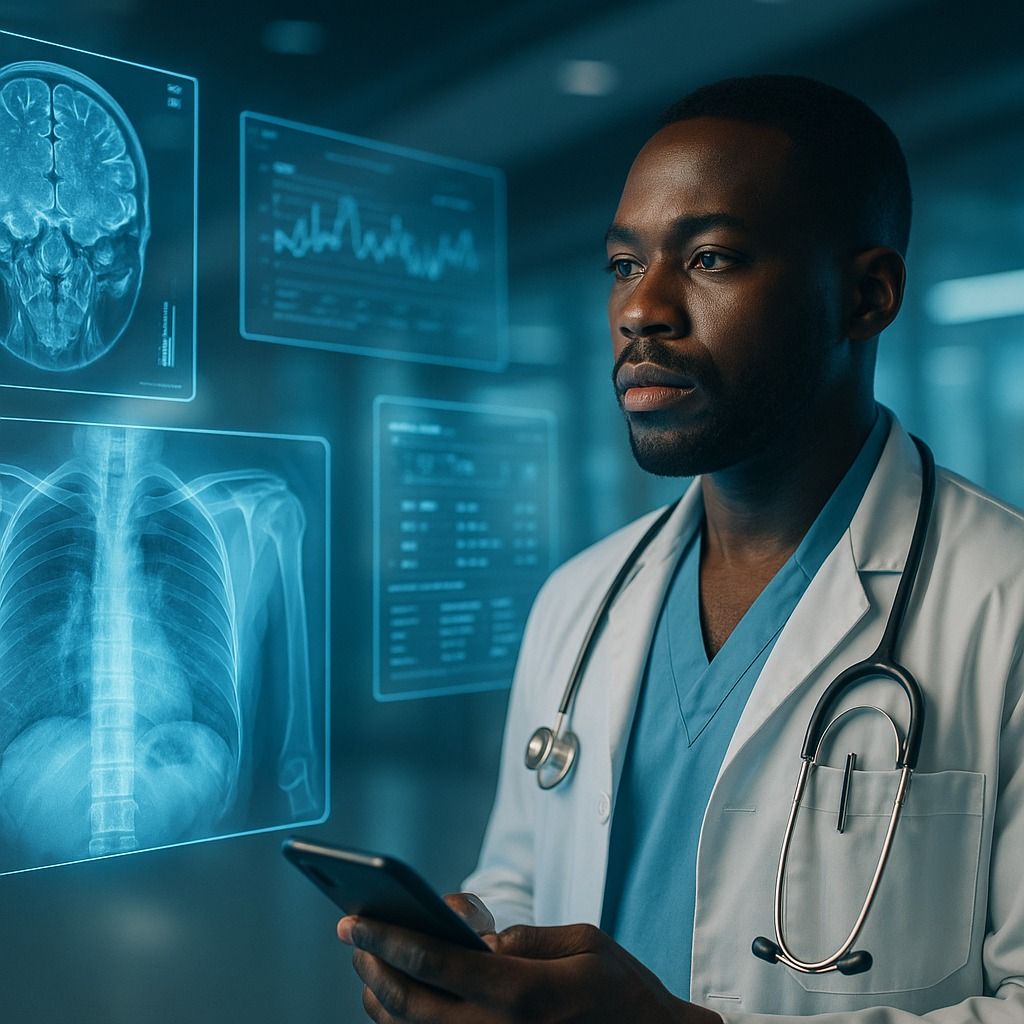
Imagine this: You’re in a small rural clinic in your country. A patient walks in with symptoms of fever, chills, and fatigue. In the past, confirming whether it was malaria might have taken hours or even days depending on lab availability. Now, with AI-powered diagnostic tools, a single drop of blood scanned under a portable device could give you accurate results in minutes.
This isn’t science fiction, it's already happening. Artificial Intelligence (AI) is transforming the way healthcare professionals diagnose diseases, and as a medical student or aspiring doctor, understanding these tools now can give you a head start in the future of medicine.
What is AI in Healthcare?
AI in healthcare refers to computer systems designed to mimic human intelligence especially in recognizing patterns and making decisions based on data. In medicine, that data could be:
- X-ray or MRI images
- Blood test results
- Patient symptoms and history
- Epidemiological data from entire populations
Think of AI as a highly trained assistant that can analyze massive amounts of information faster than any human, flagging patterns that doctors might miss and suggesting possible diagnoses.
Examples of AI Tools in Diagnosis
1. AI for Medical Imaging
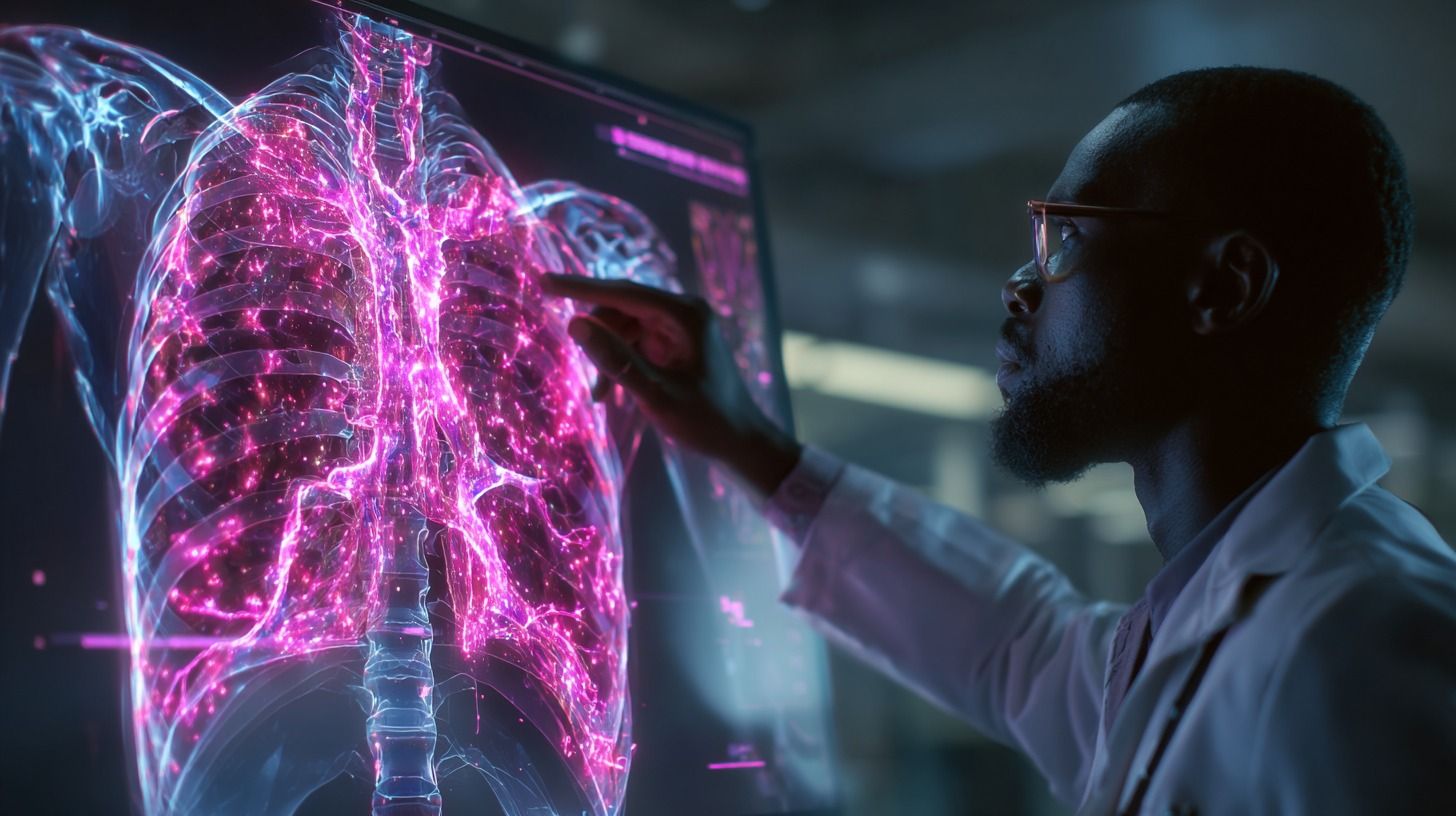
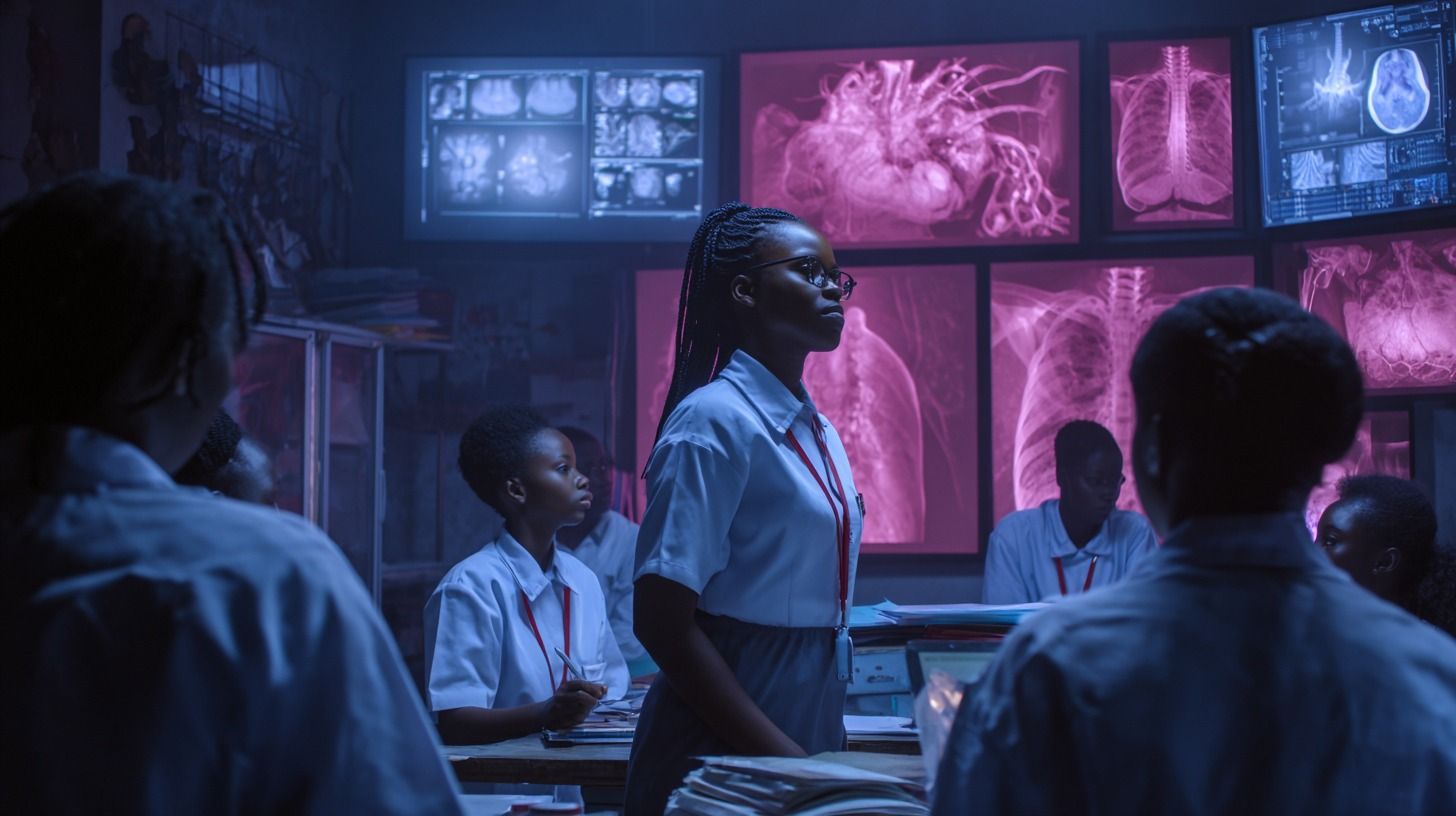
Some AI systems can scan X-rays, CT scans, and MRIs to detect diseases like pneumonia, tuberculosis, or lung cancer. For example, Google’s DeepMind has developed AI models that can detect over 50 different eye diseases from a single retinal scan often matching or surpassing expert-level accuracy.
Impact: Faster and earlier detection, especially in resource-limited areas where specialist radiologists aren’t always available.
2. AI-Powered Skin Disease Detection
AI apps like SkinVision or DermEngine allow users to take a photo of a skin lesion and receive an instant risk assessment. These tools can help detect conditions like melanoma at an early stage.
Impact: Early intervention and wider access to screening, even for patients in rural or underserved communities.
Benefits for Students and Future Doctors
1. Faster Learning Through Simulations
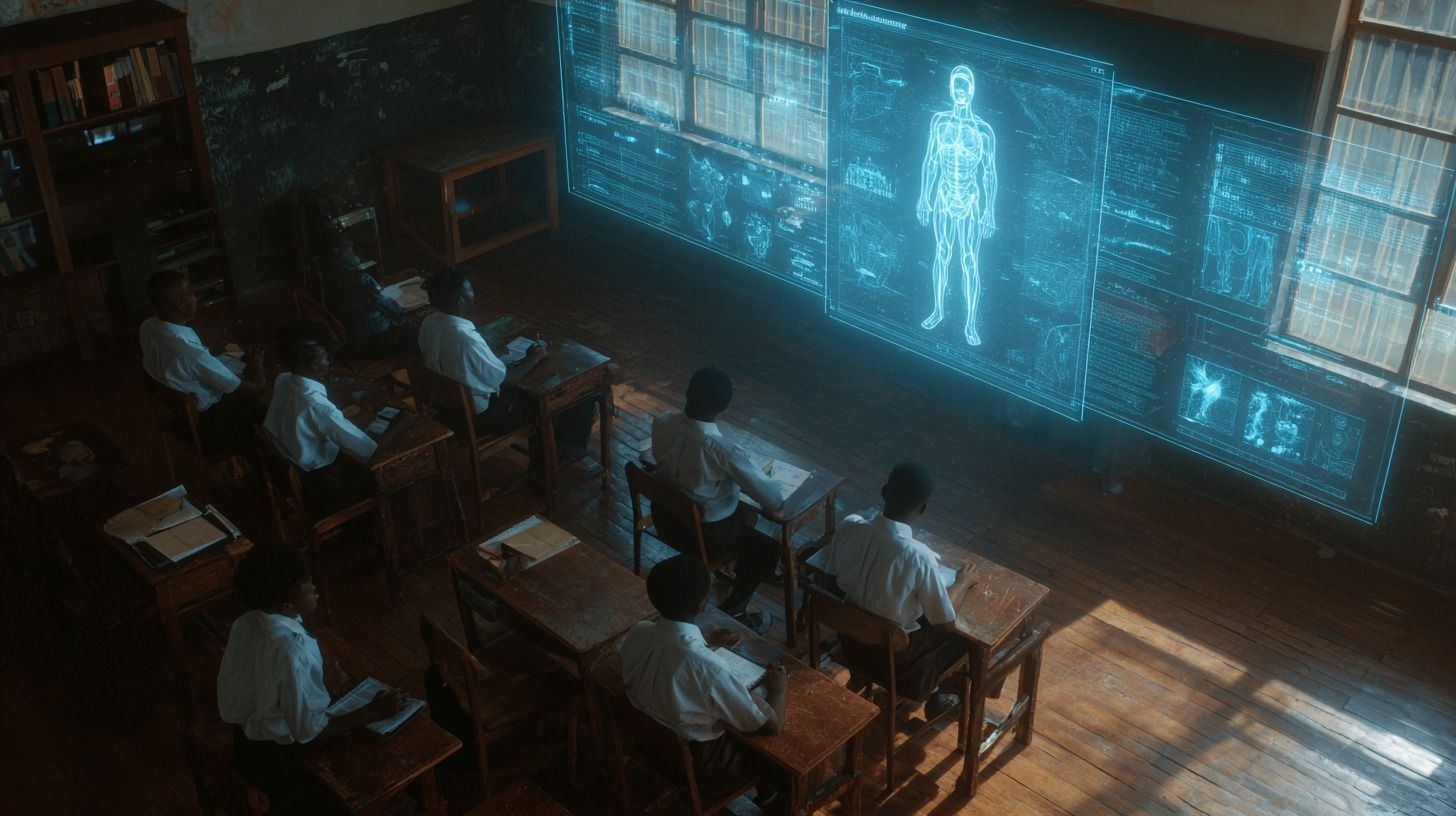
AI-powered platforms like BodyViz or Anatomage offer 3D anatomy simulations, allowing you to virtually explore the human body. This interactive approach helps you grasp complex structures faster than static textbooks.
2. Exposure to Real-World Medical Technologies
By familiarizing yourself with AI diagnostic tools now, you’ll be better prepared for hospitals that already integrate them into daily practice. This will give you an edge when applying for internships or medical school.
3. Improved Decision-Making Skills
AI can present case studies and guide you through diagnostic reasoning, helping you learn how to interpret medical data critically rather than just memorizing facts.
Getting Started: AI Tools Students Can Explore for Free
- ChatGPT / Perplexity.ai – Summarize complex medical research.
- Elicit.org – Find and organize relevant medical studies for assignments.
- SkinVision (trial) – Understand how AI risk assessments work.
- Free public datasets (Kaggle) – Explore how AI models are trained on real medical data.
Call to Action
The future of healthcare will be deeply intertwined with AI. As a student, you don’t need to become an AI engineer but you do need to understand how to work alongside these tools. Start exploring free AI platforms, follow medical AI research, and engage in discussions about ethics and implementation.
The doctors of tomorrow will not just heal with their hands and hearts they will also heal with the help of algorithms. And by learning about AI today, you’re ensuring you’ll be ready for that tomorrow.
Get Sasa by email
Generative AI, Africa now. One edition, no more than once a week.