From Sketch to Screen: How African Creatives Are Winning With Generative AI
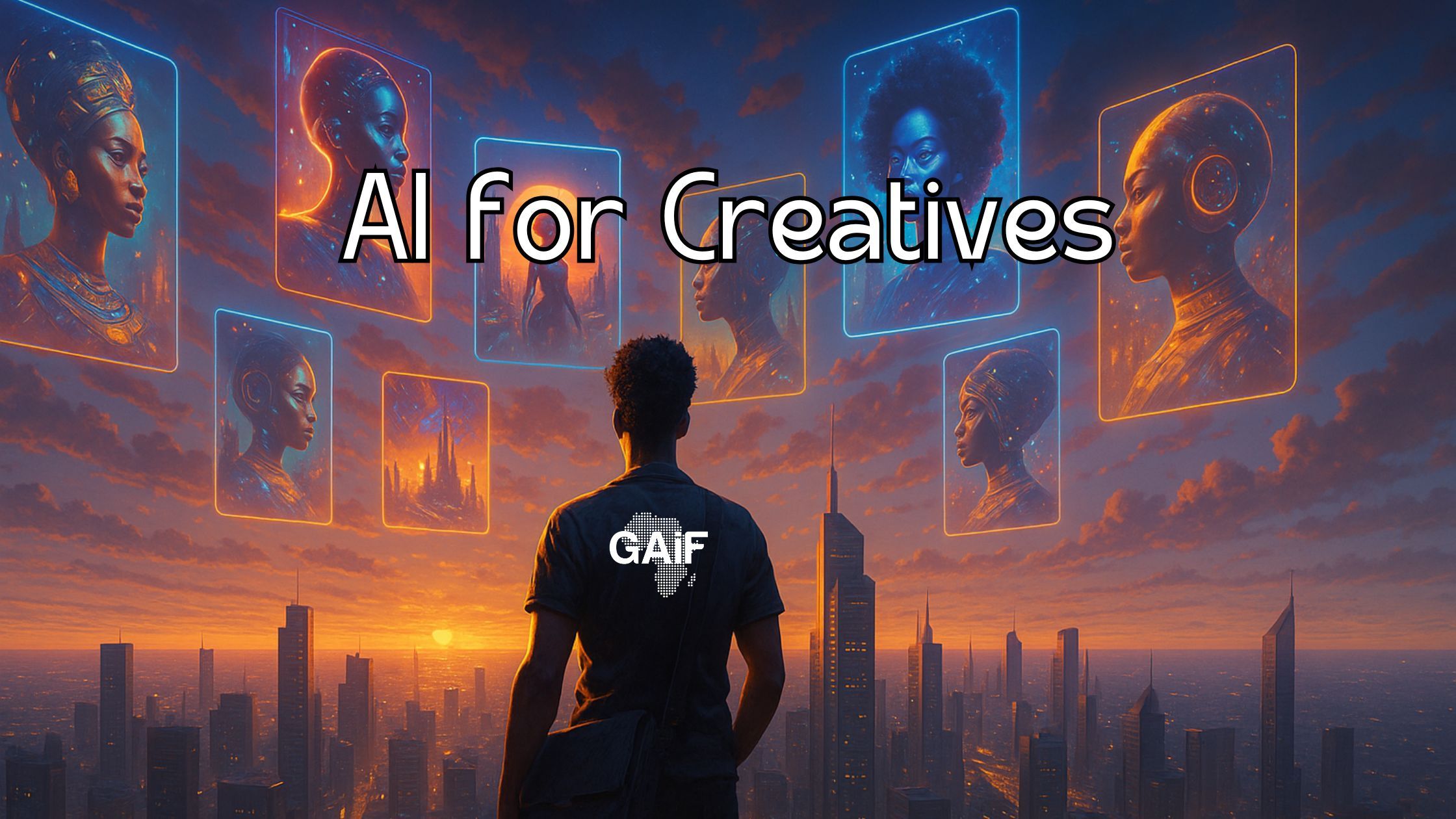
AI supercharging African creative design
In a sunlit studio in Lagos, 24-year-old graphic designer Chiamaka scrolls through her laptop, watching images bloom on her screen. With just a few prompts, she conjures a set of futuristic posters that look like they belong on the cover of an international magazine. “This used to take me three days,” she says with a grin. “Now, I can get the concept down in one hour — and still have time to polish it.”
Chiamaka isn’t alone. Across Africa, from Nairobi to Cape Town, Accra to Addis Ababa, young creatives are discovering that generative AI is more than just a tech buzzword. It’s becoming an essential tool for reimagining how design is done — faster, cheaper, and with a distinctly African flair.
Breaking the Time Barrier
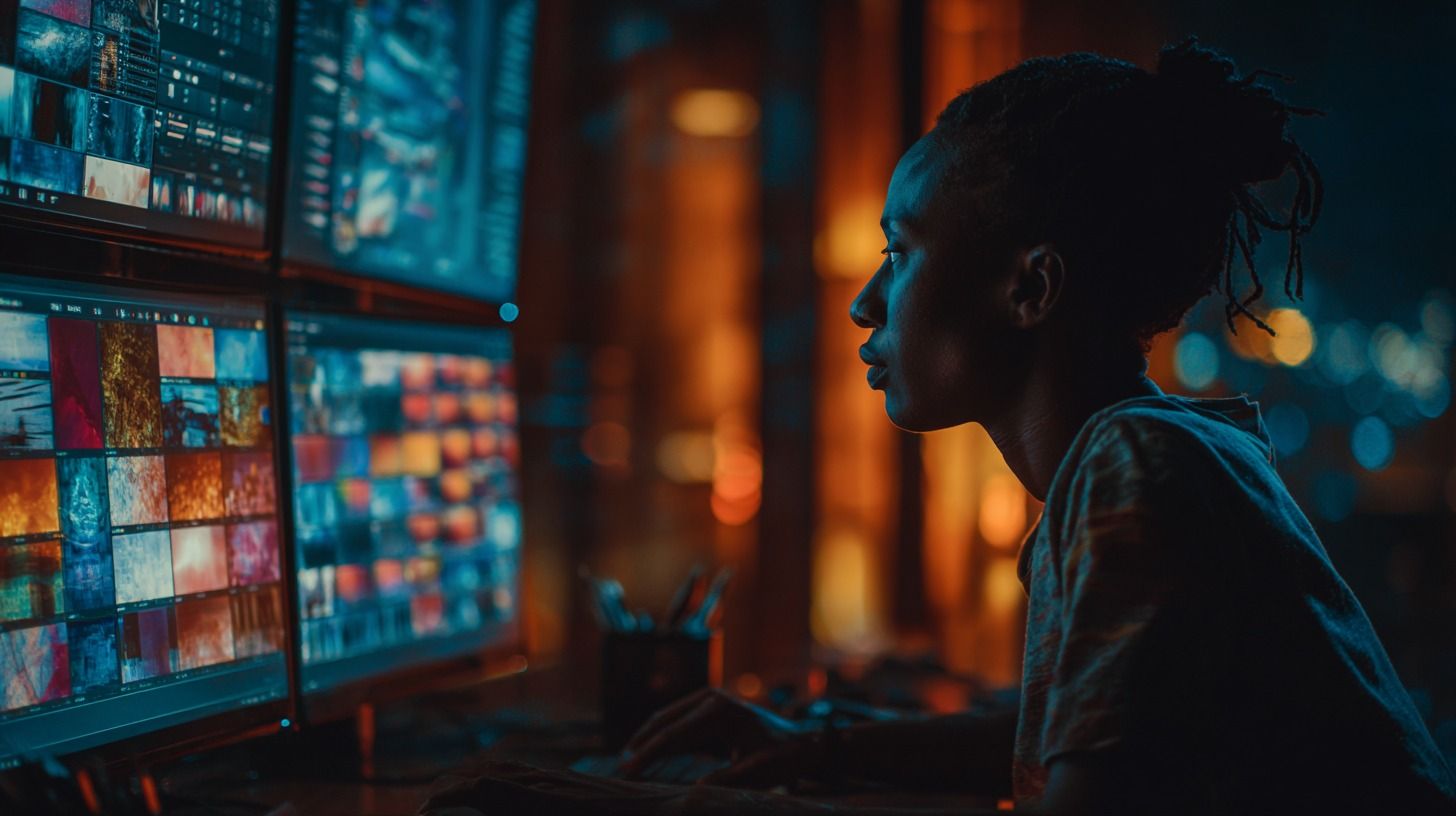
Traditionally, design work has been time-intensive. A client requests a campaign poster, and the designer spends hours sketching, mocking up, revising, and waiting for feedback. With AI, many of those first steps can be compressed.
For freelancers, this is a game-changer. In Nairobi, 29-year-old designer Kevin uses MidJourney to produce 10–15 variations of a concept before showing clients his favorites. “The speed means I can juggle more projects at once,” he explains. “That’s more income for me, and my clients love the options.”
Time is not just money in Africa’s creative scene; it’s opportunity. For young designers who often balance side hustles, studies, or even day jobs, AI has become a way to stretch their hours without burning out.
Cost: A Longstanding Barrier, Now Eased
Access has always been a hurdle for African creatives. Expensive design software, stock image libraries, and 3D modeling tools often put high-end design out of reach. But generative AI is leveling that playing field.
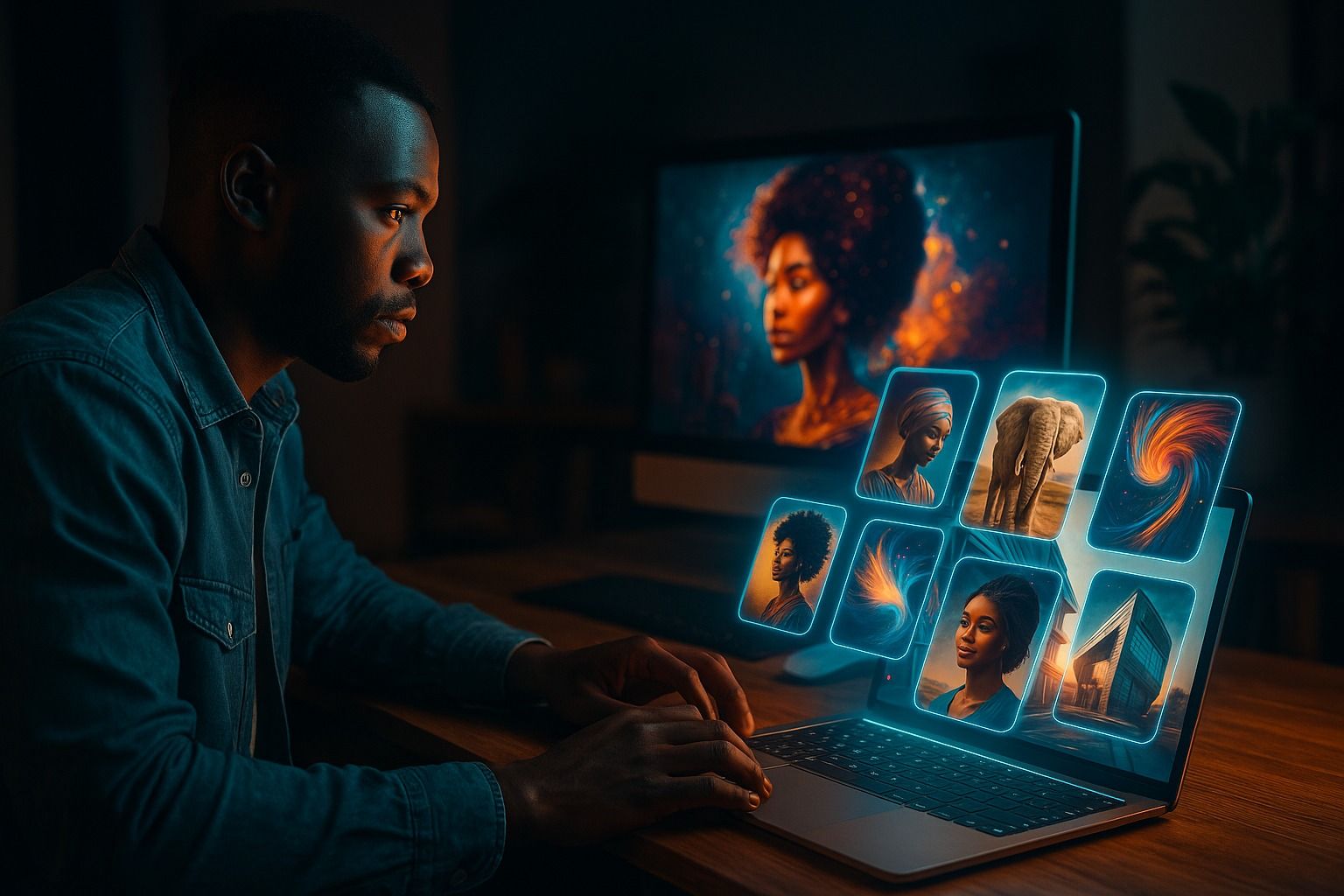
Instead of paying hundreds of dollars for stock images, designers can now generate unique visuals tailored to their project. Instead of struggling with complex 3D software, they can prompt an AI to render realistic product mockups.
For South African designer Ayanda, who freelances for both local startups and global clients, AI tools have made her business sustainable. “Before, I had to say no to some projects because I couldn’t afford the software licenses,” she says. “Now, I can deliver everything my clients ask for — and more.”
Reclaiming Representation
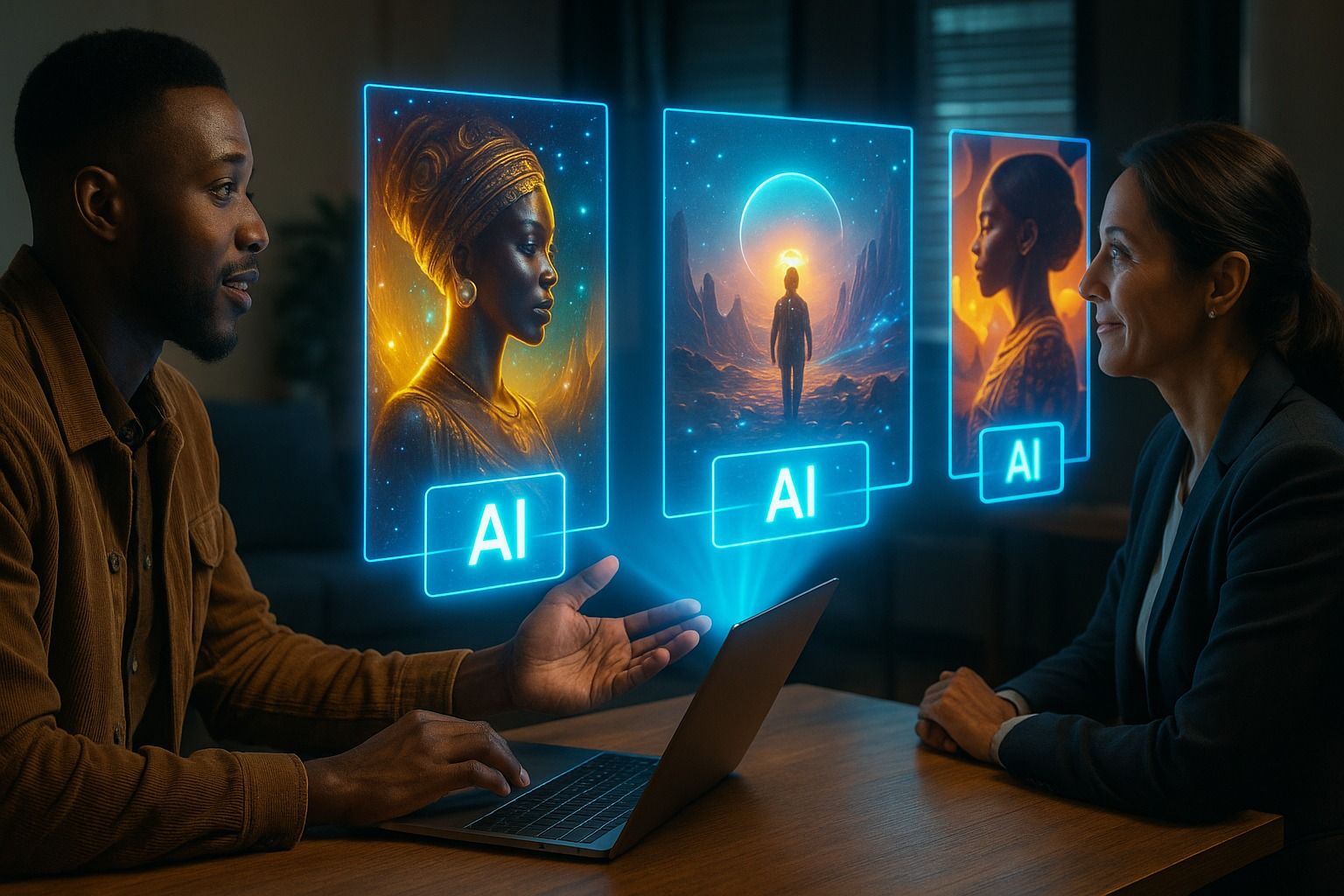
Perhaps the most exciting shift lies in how African creatives are using AI to tell stories with authenticity. Stock photos and design templates have long skewed Western, often failing to capture African realities, aesthetics, or even faces.
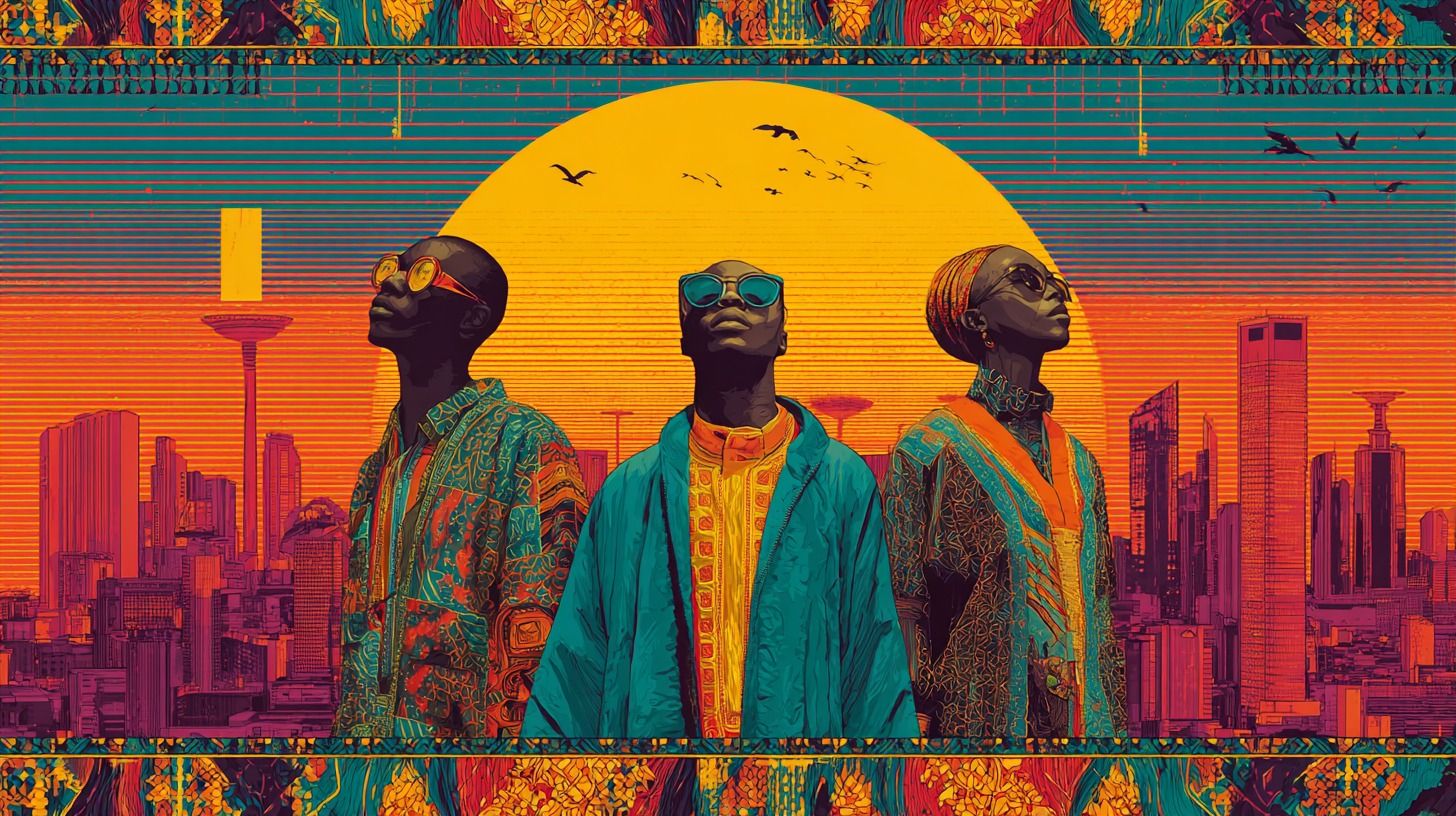
But with AI, designers can prompt their tools with cultural specifics — and the results are stunning. A Ghanaian artist might generate an Accra skyline infused with Afrofuturist vibes. A Nigerian illustrator can create a poster blending Yoruba textile patterns with sleek, modern typography. A Kenyan freelancer can produce campaign visuals featuring local streetwear culture without relying on imported imagery.
For many, this is more than aesthetics — it’s cultural ownership. As Ayanda puts it: “For once, I don’t have to bend my ideas to fit someone else’s stock image library. I can make designs that look like us, for us.”
AI as a Freelance Superpower
Africa’s freelance economy is booming, with platforms like Upwork, Fiverr, and Behance opening doors for global work. But competition is fierce. AI has become the ace up the sleeve for African designers, helping them punch above their weight.
Quick turnarounds, diverse styles, and bold experiments give freelancers an edge. “A client in Europe might expect Western styles,” says Kevin from Nairobi, “but when I show them something fresh with an African influence, generated and refined with AI, they’re blown away. That difference often wins me the job.”
It’s not just about standing out — it’s about scaling up. By automating repetitive tasks, AI allows freelancers to focus on strategy, storytelling, and branding — the parts of design that truly showcase their value.
The Ethical Questions
Of course, AI in African design is not without challenges. There are concerns about bias — after all, many AI models are trained on Western data sets, sometimes misrepresenting African cultures or producing stereotypical imagery. Connectivity issues and access to reliable hardware remain obstacles.
And then there’s the fear of job loss. Some worry that clients might bypass designers altogether and go straight to AI tools. But most African creatives view AI differently. As Ugandan illustrator Miriam puts it: “AI is my assistant, not my replacement. It gives me raw clay, but the sculpture is still mine.”
For now, the consensus is clear: human creativity remains the soul of design, while AI is the accelerator.
Communities and Collaboration
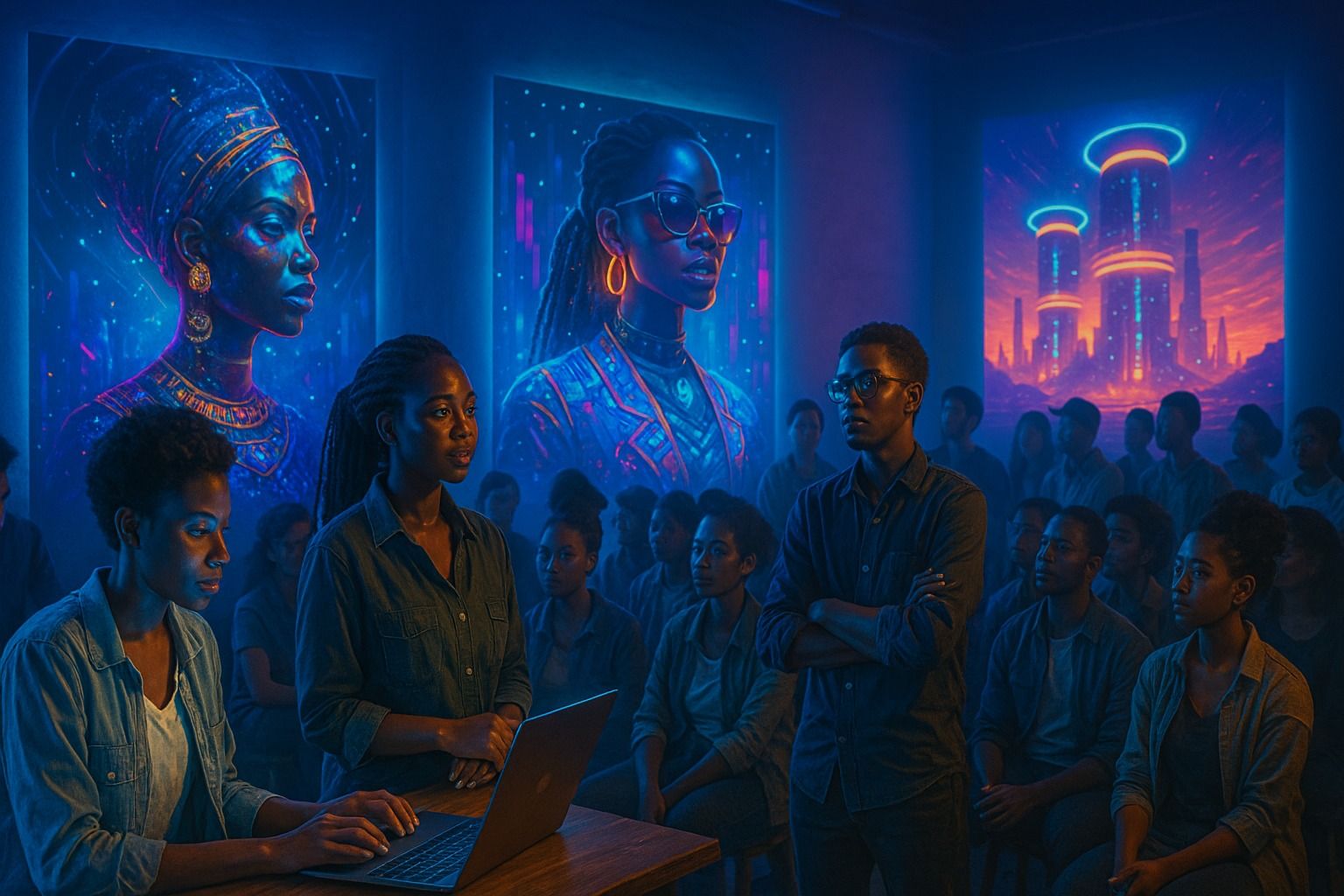
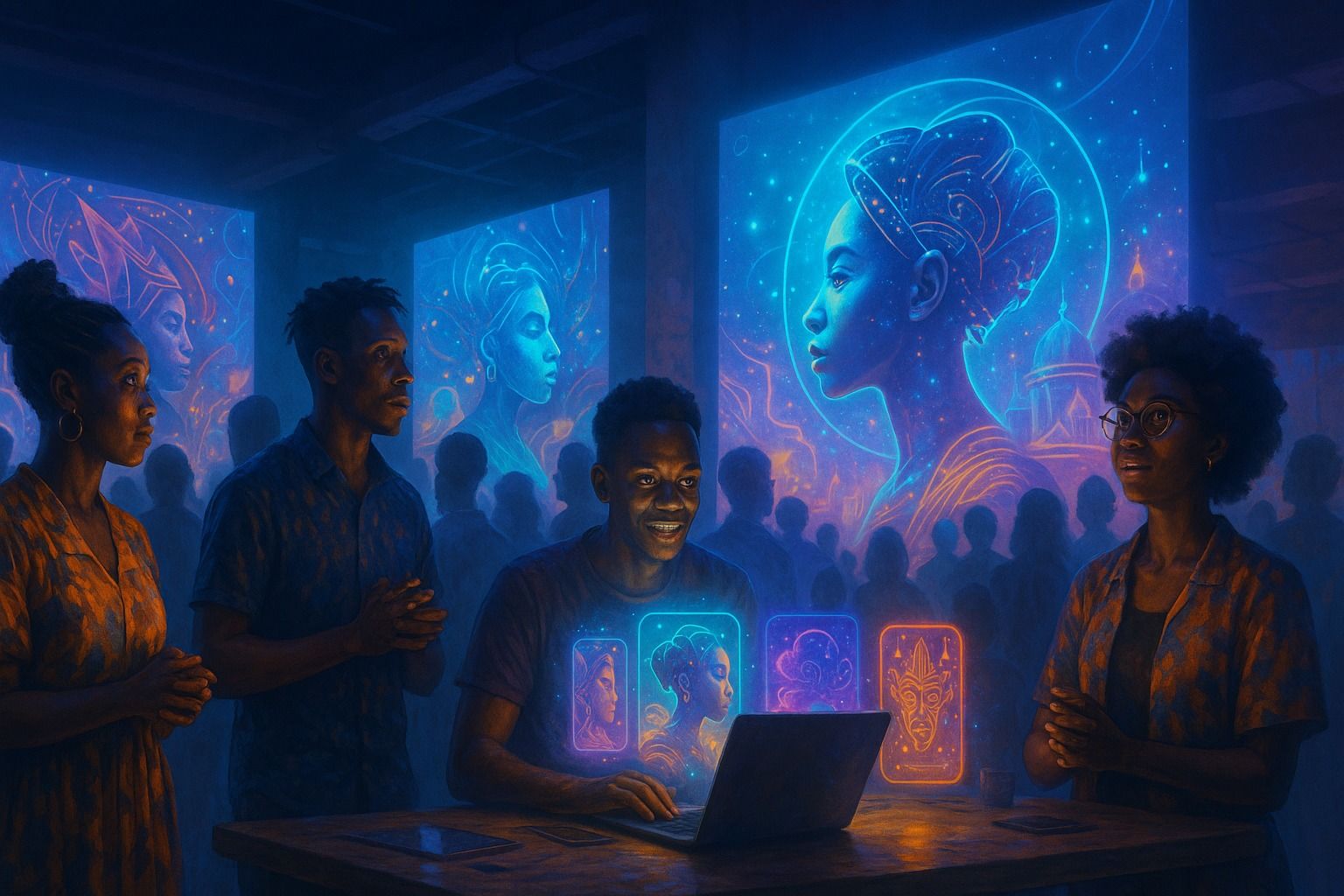
Across social media, African creatives are forming AI-focused communities. On Twitter, Discord, and WhatsApp groups, they share prompts, tutorials, and even collaborative projects. Online workshops and design collectives are teaching newcomers how to integrate AI into their workflow.
In Lagos, a collective of young designers has started hosting monthly “Prompt Jams,” where participants compete to create the most original AI-generated visuals. The events blend technology with African creativity, sparking new styles and pushing boundaries.
These communities are not just skill-building hubs — they’re incubators of innovation. They show how AI is not isolating creatives but instead fostering new connections across the continent.
The Road Ahead
The story of generative AI in African graphic design is still being written, but the early chapters are powerful. What’s clear is that AI isn’t diluting creativity — it’s multiplying it. By cutting costs, saving time, and opening up new aesthetic possibilities, AI is helping African designers step boldly onto the global stage.
As global brands increasingly seek fresh, authentic voices, Africa’s AI-powered design scene is poised to shine. Designers who once had to work twice as hard to get noticed now have tools that make their visions sharper, faster, and more globally relevant.
And as Chiamaka in Lagos puts it, closing her laptop after finishing her AI-assisted posters: “It’s still my hand. It’s still my story. AI just gives me the wings to tell it louder.”
Get Sasa by email
Generative AI, Africa now. One edition, no more than once a week.