AI and the African Mirror: How Smart Tech Is Personalizing Beauty Routines
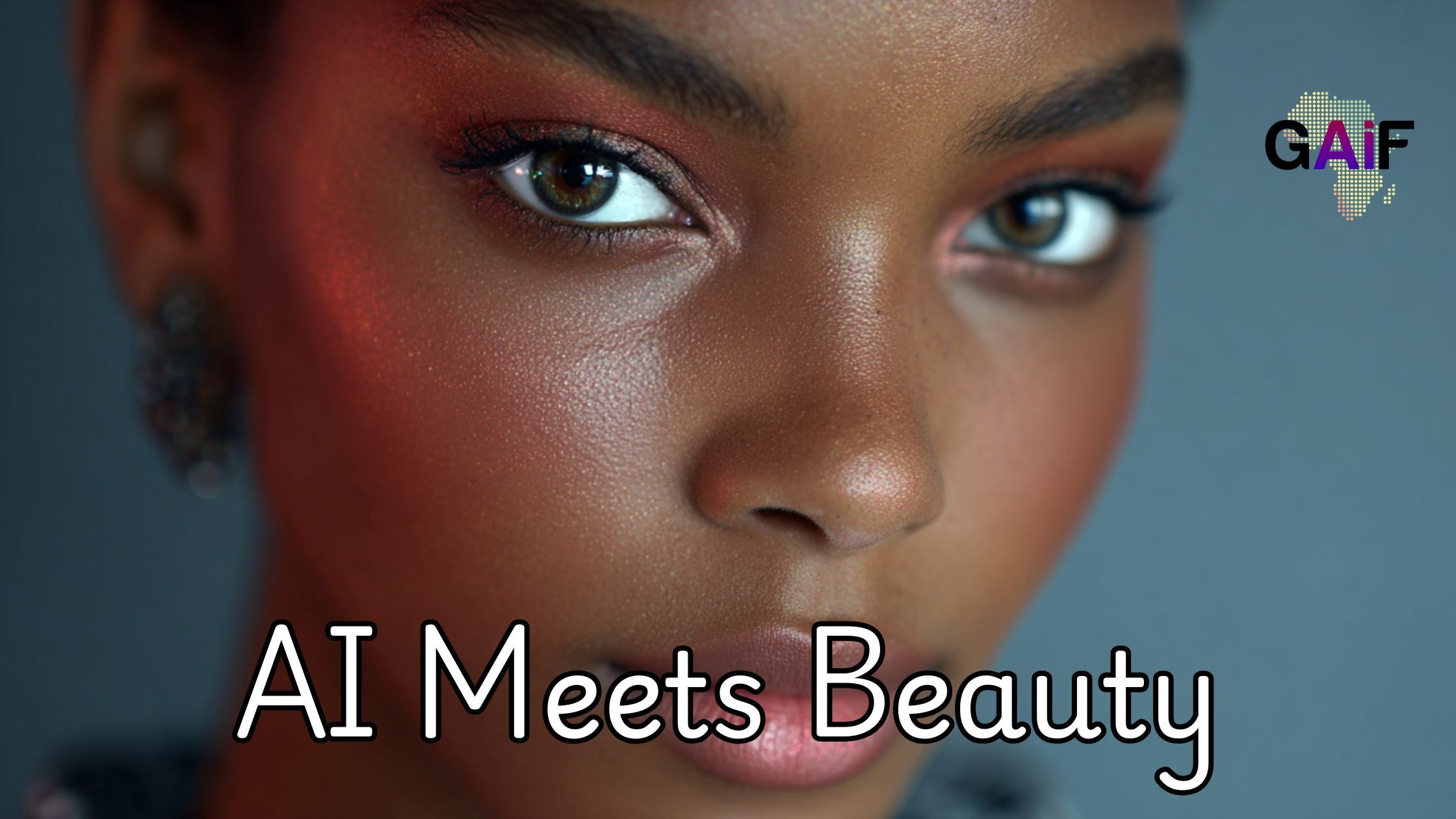
Africa’s beauty powered by AI
“Mama, come and see this!” 17-year-old Sesi shouted from her bedroom, face glowing under the soft light of her phone screen. Her mother, Abena, reluctantly marched in, wiping shea butter off her palms.
“What is it again? Another TikTok dance?”
“No,” Sesi grinned. “Look what this app says about my skin!”
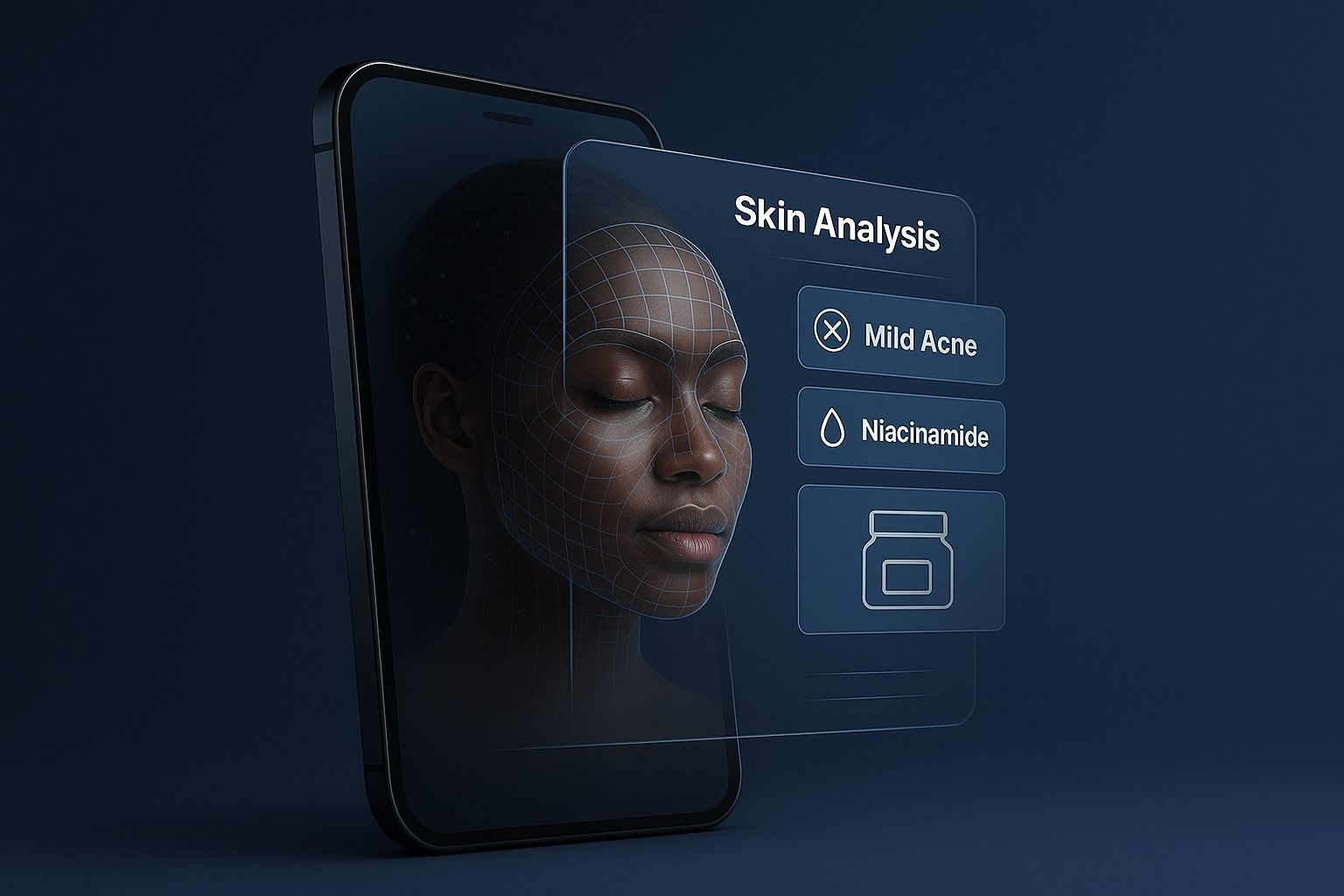
Her camera scanned her face, dot by dot. In less than ten seconds, the app told her she had mild acne, recommended ingredients like niacinamide, suggested a moisturizer based on her skin type and placed it neatly in a shopping cart.
She turned her phone so her mother could see the interface of Troveskin, a popular AI skincare analysis app, glowing confidently.
Abena blinked.
“Ei… so all this from just a selfie?”
Welcome to modern beauty.
Well… welcome to AI in beauty.
Beauty, But Smarter
Beauty and personal care once meant standing in front of the mirror with guesswork, experiments, and—sometimes—a few regrets. Wrong shade of foundation. Too much exfoliation. A moisturizer that claimed to hydrate but left you patchy like a dry plantain.
Today, artificial intelligence is like that honest friend who whispers, “No sis, that shade is not your color.”
AI-powered beauty apps likes Skin Bliss, Y’OUR Skincare, BeautAI, Romy Paris
can:
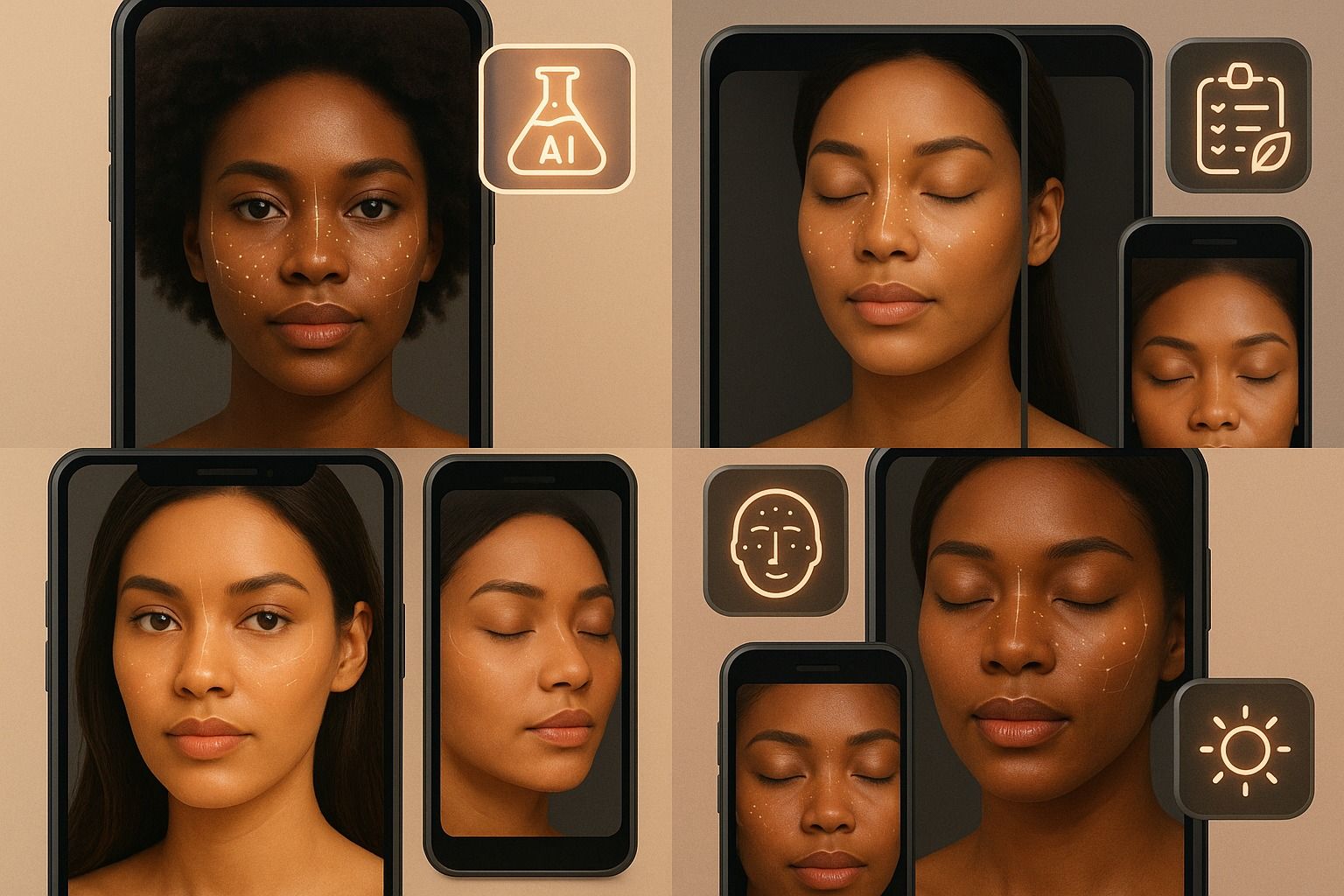
- Scan skin and detect concerns
- Suggest ingredients and products
- Offer routines tailored to your environment
- Track progress over time
And it’s not magic. It’s machine learning trained on thousands of faces — from Accra to Addis Ababa.
Virtual Makeup: Try It Before You Buy It
Remember those makeup testers at the mall, the ones we used to dab on our cheeks with questionable confidence? Post-Covid, they’re not as attractive.
Now, brands offer virtual try-ons powered by AI — from lipstick to lashes to eyeshadow — using your camera.
- ModiFace (used by Sephora)
- YouCam Makeup
- Maybelline Virtual Try-On
- MAC Virtual Artist
Red lipstick?
Tap.
Try nude?
Tap.
Want to see how you look in purple gloss without actually committing?
Tap again.
No mess. No awkward orange undertones. And for darker African skin tones, AI is improving shade recommendations so we’re no longer stuck with “mocha” or “espresso” as the only two options.
Customized Products: Your Skin, Your Formula
One of the biggest complaints among African consumers is simple:
“Products abroad don’t work for our weather.”
And they’re right.
Humidity, heat, dust, hard water — none of this was considered in the old formulas.
AI doesn’t panic. Apps like:
- Skin+Me
- Atolla
- Function of Beauty
can analyze:
- Your climate
- Your age
- Your skin profile
- Your allergies
- Even lifestyle habits
…and recommend products designed for you.
Some brands even use 3D printing to match foundation exactly to your undertone — no more guessing between “espresso” and “espresso-but-slightly-lighter.”
Here Comes the African Twist
African beauty brands are tapping into AI too.
In Nigeria, Zaron Cosmetics uses AI to recommend shades for deeper skin.
Ghanaian brands experiment with apps that analyze hyperpigmentation patterns common in melanin-rich skin.
South African digital salons use damage-prediction tech similar to HairAI to warn clients before chemical relaxers go wrong.
Even popular ingredient-scanning apps like INCI Beauty and Think Dirty help African shoppers avoid harmful chemicals.
All this is exciting, but there’s a catch…
Our beauty data — dark skin, textured hair, hyperpigmentation — hasn’t always been represented in global AI training sets. That’s slowly changing as more African faces are scanned, studied, and celebrated.
Representation is finally touching technology.
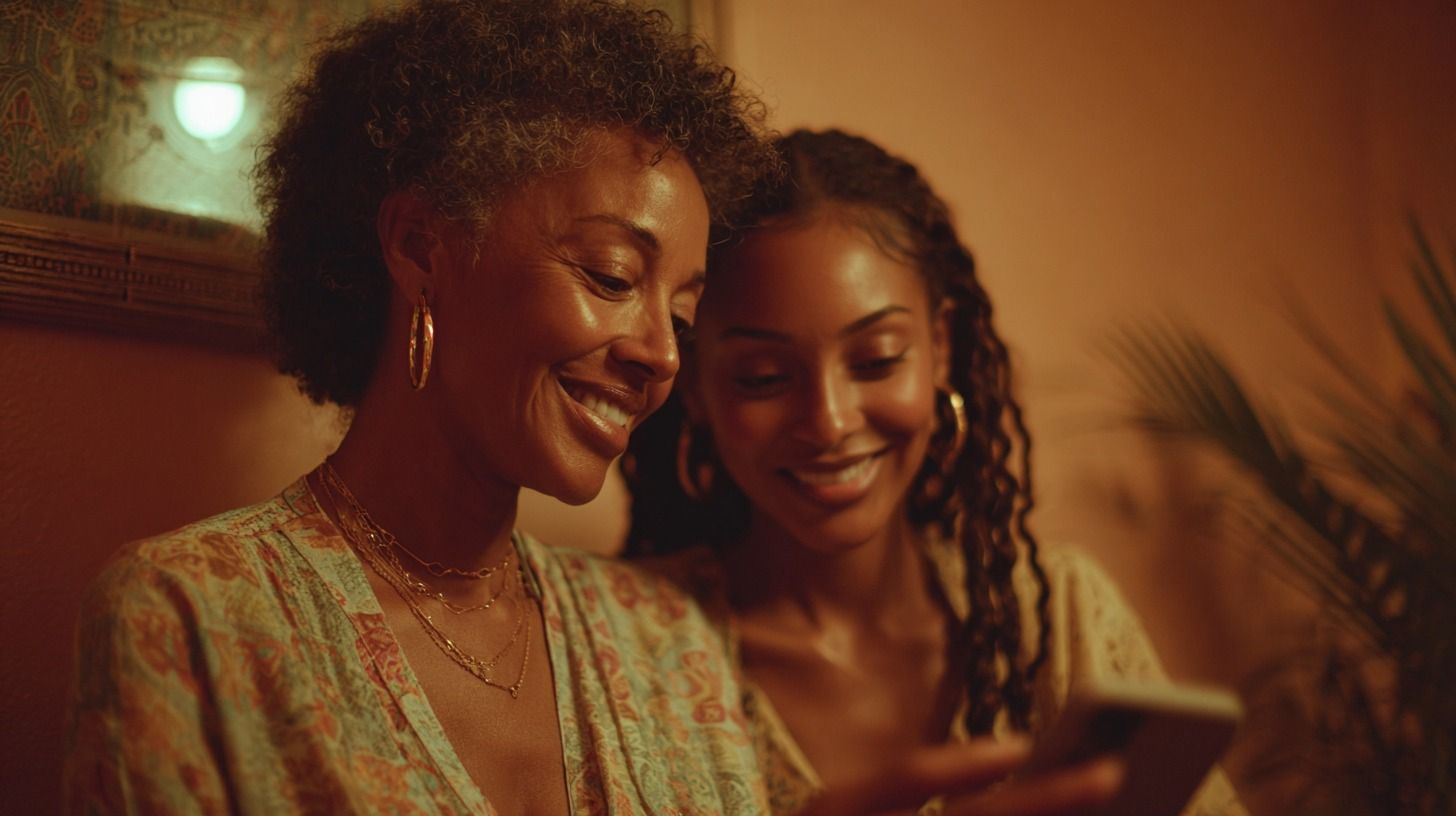
The Mother-Daughter Debate continues
Back in Sesi’s room, Abena frowned.
“So the phone will tell you how to take care of your skin better than me?”
“Maa please,” Sesi laughed. “Technology just saves me from experimenting. My money is small!”
Abena folded her arms. “In our days, we used black soap and drank more water.”
“And we still use black soap, Maa. But AI helps me know when I need hydration or when I’m reacting to something.”
Abena held the phone skeptically. “It says my pores are enlarged?”
“Eerm… the phone is honest, Maa.”
“Honesty is annoying,” Abena muttered.
But she sat down anyway and explored.
Hair, Makeup, Skincare… and Confidence
AI doesn’t stop at product suggestions. Tools like:
- TroveSkin (track breakouts)
- SkinVision (detect early skin abnormalities)
- Perfect Corp (makeup & hair try-ons)
show tutorials based on your face structure, recommend hairstyles suitable for your head shape, and help you track changes over weeks.
Young people love convenience.
Older folks love saving money on products that actually work.
Social Commerce: Beauty + AI + Shop Now
Once upon a time, you saw a product, asked a friend, saved money, then bought it maybe.
Now:
You try it virtually.
AI recommends your shade.
A store suggests local Ghanaian sellers.
It’s delivered tomorrow.
Your wallet begins to sing funeral hymns.
African e-commerce platforms are integrating these try-on features, making impulse buying dangerously easy.
But First, A Warning
- Don’t allow apps to store unnecessary personal photos
- Avoid sharing sensitive data
- Don’t fall for “magical instant transformation” claims
- Remember: AI gives guidance, not miracles
Even AI will not fix you if you sleep with makeup on. (You know yourself.)
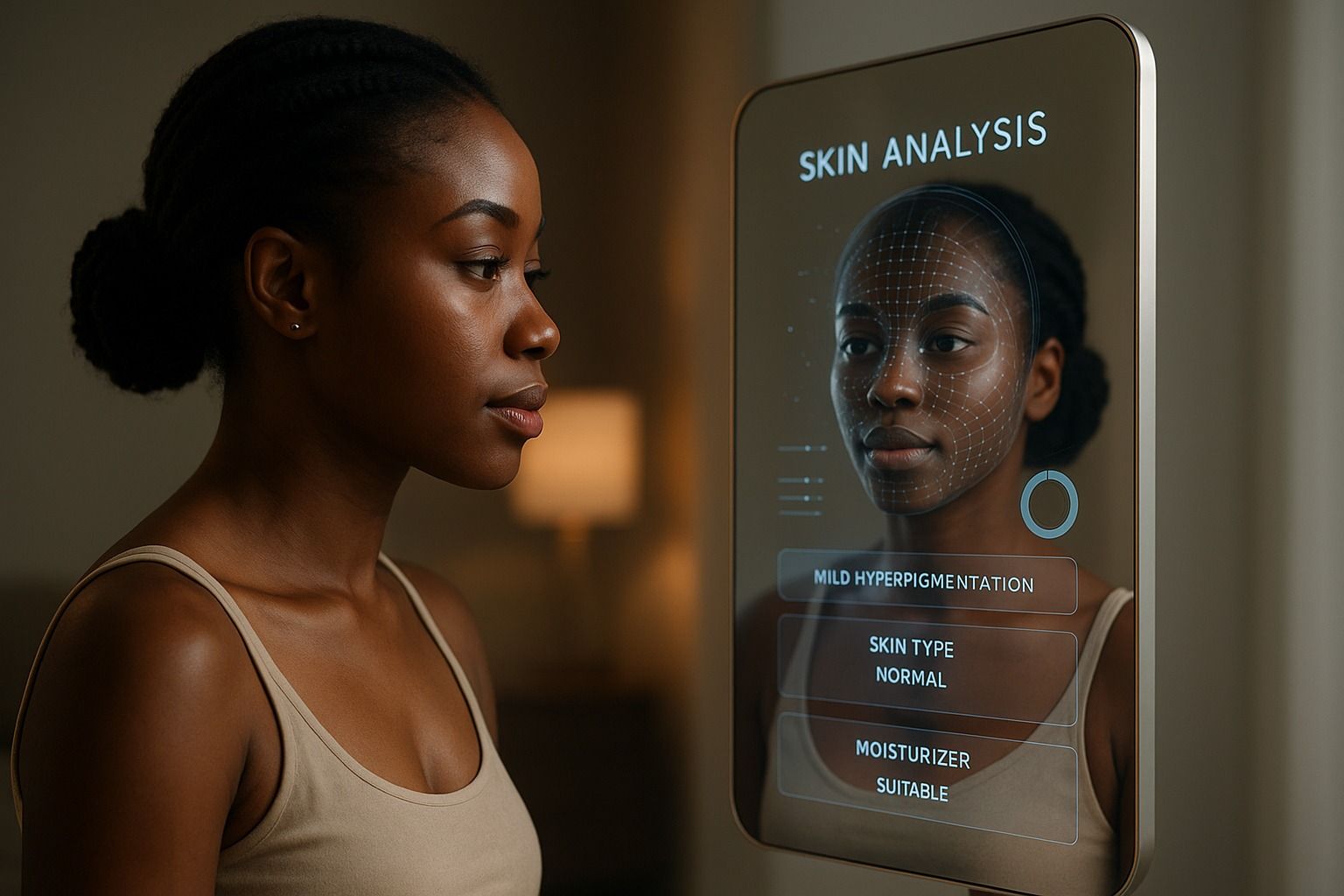
The Mirror Is Changing
Beauty is becoming personalized, more inclusive and less wasteful
Instead of shelves packed with products that might work, AI helps you buy only what will work.
And for Africa — a continent filled with diverse skin tones, textures, and climates — personalization isn’t luxury. It's a necessity.
The next morning, Abena walked into the kitchen with a newfound glow.
“Mama, what did you use?” Sesi asked.
“Hmm,” she smirked. “Ask your phone.”
The African mirror has changed.
And it now speaks fluent AI.
If this article excited you about how technology can simplify your daily routine — including skincare — then this is the perfect time to explore AI. Join the GAiF community and stay ahead of the curve.
- Get weekly insights made for Africans
- Discover practical AI tools you can start using today
- Learn how to integrate AI into your daily lifestyle
- Connect with innovators across Africa and the diaspora
Subscribe to GAiF today and let’s build an Africa that uses technology to glow — inside and out.
Get Sasa by email
Generative AI, Africa now. One edition, no more than once a week.