Beyond Borders: How AI is Giving Refugees and Migrants in Africa a Fighting Chance
AI giving refugees dignity and voice
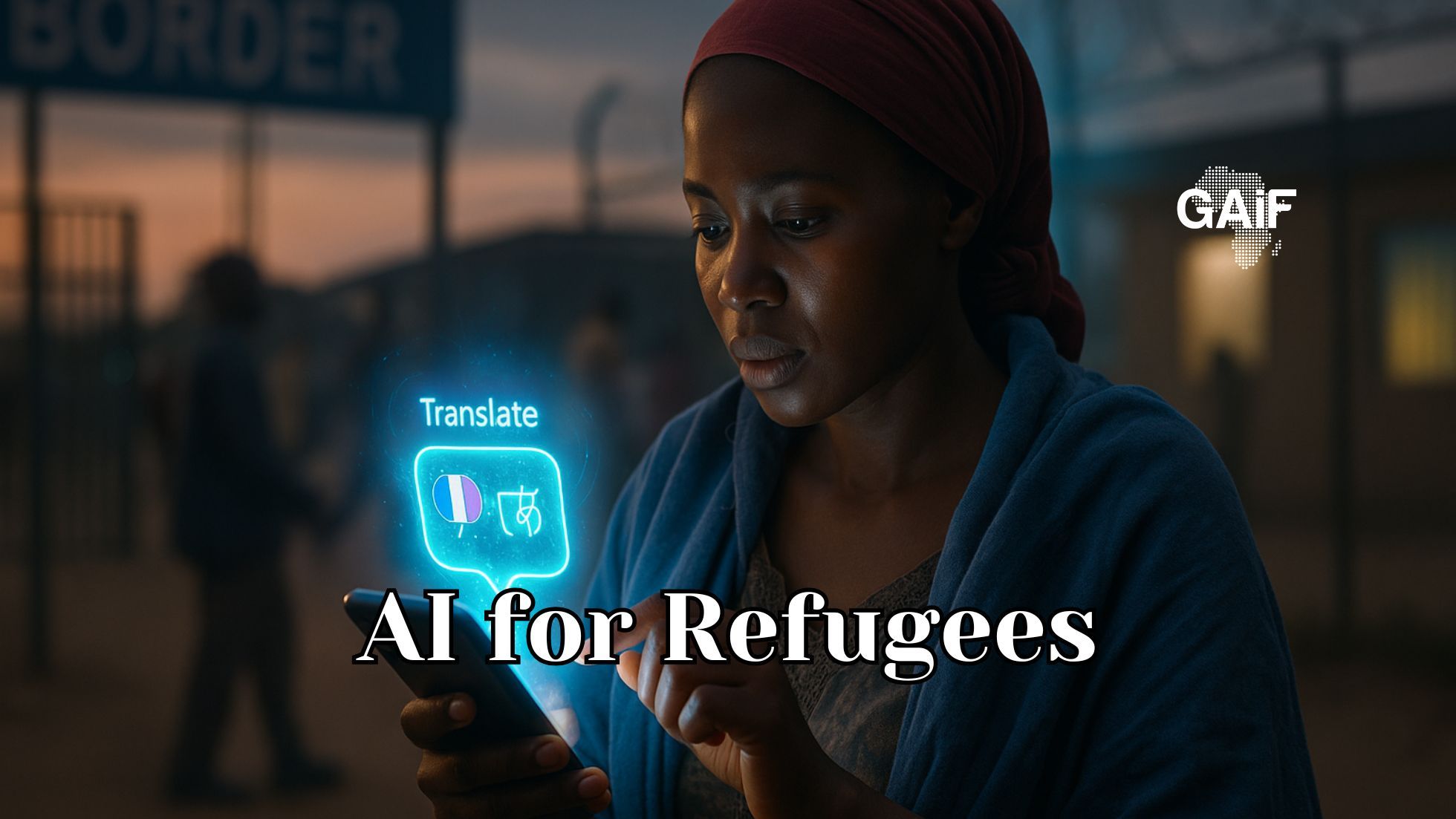
Amina sat at the crowded bus station in Maiduguri, clutching her small bag with all she owned. Her voice was soft, but the tears behind it were heavy. She had lost her home to conflict and was now crossing into Niger, unsure of what awaited her. Like thousands of migrants and refugees across Africa, she faced not just the pain of leaving home but the towering barriers of language, identity, and survival.
Her first stop was a clinic. The nurse spoke French; Amina only knew Hausa. She tried with gestures, but the message was lost, and frustration filled the room.
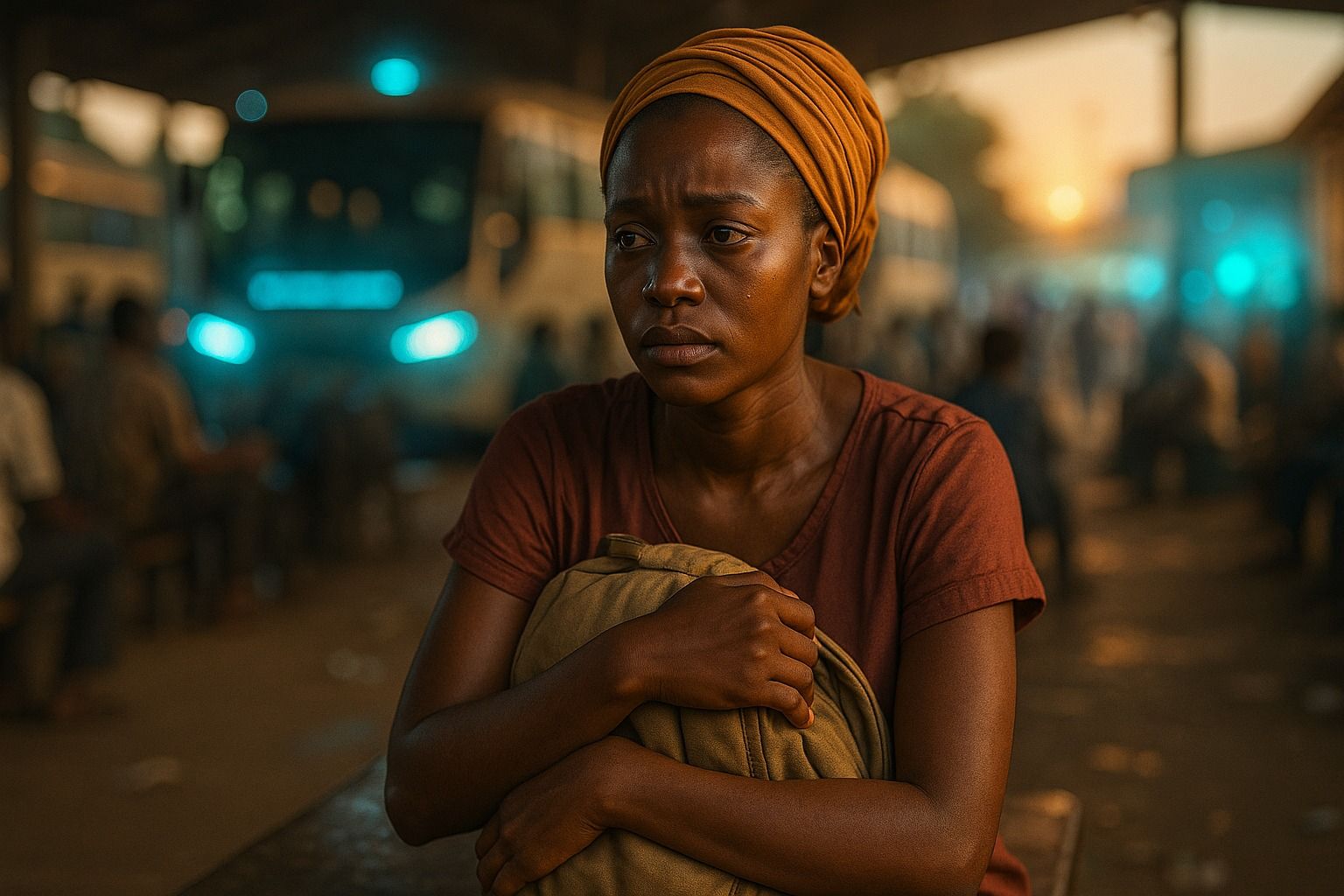
This scene plays out daily for displaced Africans. And yet, today, something as simple as an app on a phone can turn silence into speech. Tools like Google Translate or SayHi may look ordinary to you and me, but in a refugee camp they are lifelines—bridges across languages that once locked people out.
AI is no longer about machines; it is about giving someone like Amina her voice back.
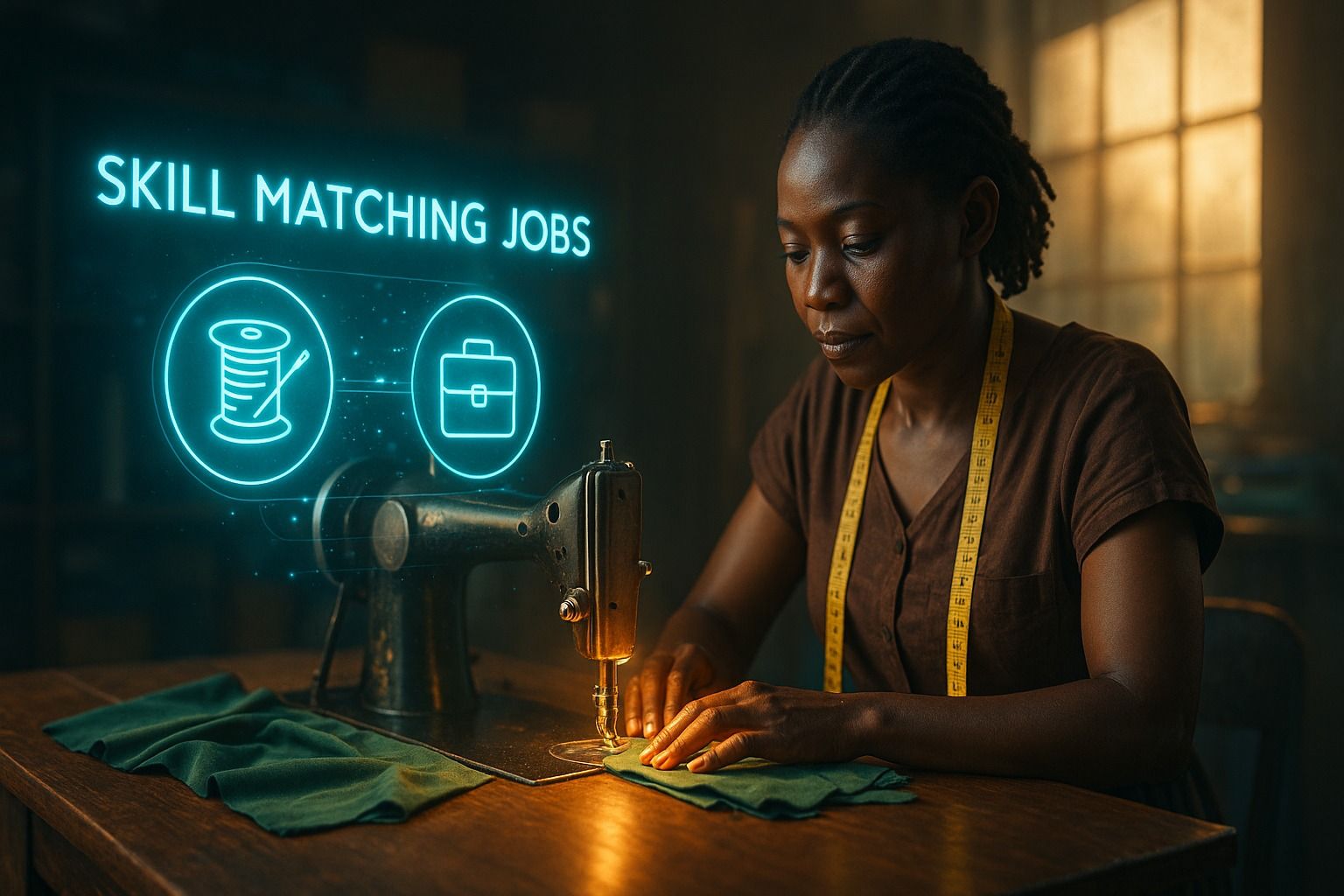
But voice alone does not rebuild a life. Weeks later, Amina found herself in a resettlement center in Accra, Ghana. She was a trained seamstress, her hands quick and precise, but she had no idea how to find work in this new city.
She wasn’t alone—Nigerian coders, Ethiopian farmers, Somali artisans—refugees everywhere carry skills that remain invisible simply because there is no system to connect them. Imagine, though, if an app could scan Amina’s sewing skills, translate them into job listings nearby, and notify her instantly. That is what AI-powered job-matching is quietly doing across platforms like LinkedIn and local African hubs such as Jobberman in Nigeria and Fuzu in Kenya. It is as though technology whispers, “I see you, and here is a chance.”
Identity is the final wall. When Amina’s bag was stolen during her journey, her ID vanished with it. No passport, no papers. To the system, she no longer existed. Without identity, she could not open a bank account, access aid, or even register her daughter in school. But in South Africa and Ethiopia, projects powered by AI facial recognition and biometrics are giving displaced people new digital IDs—secure, verifiable, and accessible with nothing more than a fingerprint or a smile. Initiatives like Smile Identity and ID4Africa are proving that even when papers are gone, dignity does not have to be lost.
These stories are not just Amina’s; they echo in Ethiopia’s refugee camps, in Ghana’s bustling capital, in Kenya’s resettlement hubs, in Nigeria’s border towns, and in South Africa’s migrant communities.
Migration is part of Africa’s heartbeat—sometimes driven by hope, sometimes by hardship—but always by resilience. And AI, when applied with empathy, becomes more than technology: it becomes a quiet companion on the journey, smoothing paths that once seemed impossible.
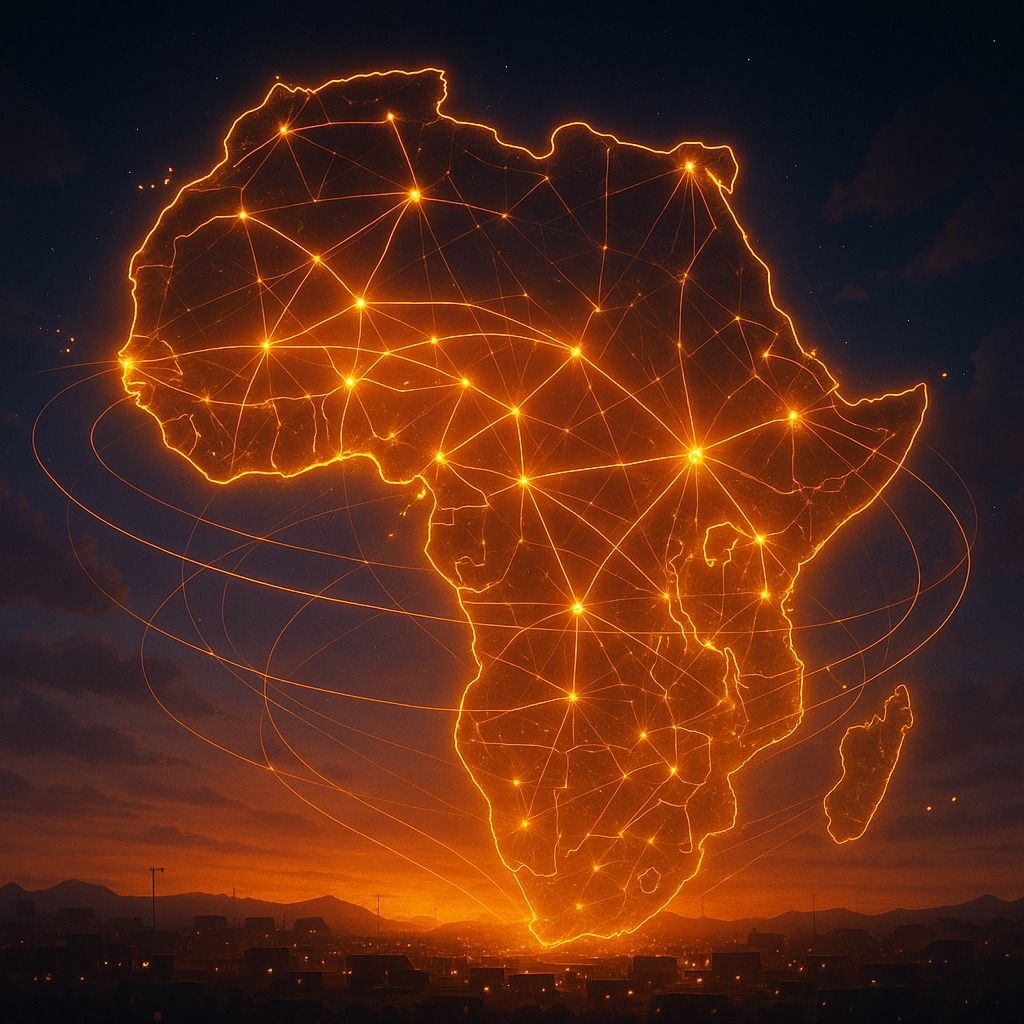
This is why the Generative AI in Africa Forum (GAiF) exists—not as a tech club for the elite, but as a space where stories like Amina’s meet solutions built for her. GAiF is where innovators, refugees, policymakers, and dreamers can design the tools that matter: an app that translates Tamasheq or Kanuri into French at a border post, a job-matching platform that prioritizes displaced workers, a digital ID that ensures no child is turned away from school because they lost their documents in flight.
To every refugee and migrant, AI is not distant, foreign, or out of reach. It is here, in your hands, in the phone you carry (if you happen to have one), in the systems being built for you. It is not about replacing your humanity—it is about protecting it.
Migration is not just movement. It is courage. It is survival. And with AI, it can also be restoration. The journey is hard, but with the right tools, it doesn’t have to be hopeless.
Join GAiF. Share your story, your vision, your needs. Because the future of AI in Africa should not be written without the very people it is meant to serve.
Get Sasa by email
Generative AI, Africa now. One edition, no more than once a week.