From Quills to Quantum: How AI is Reshaping African Writing and Publishing
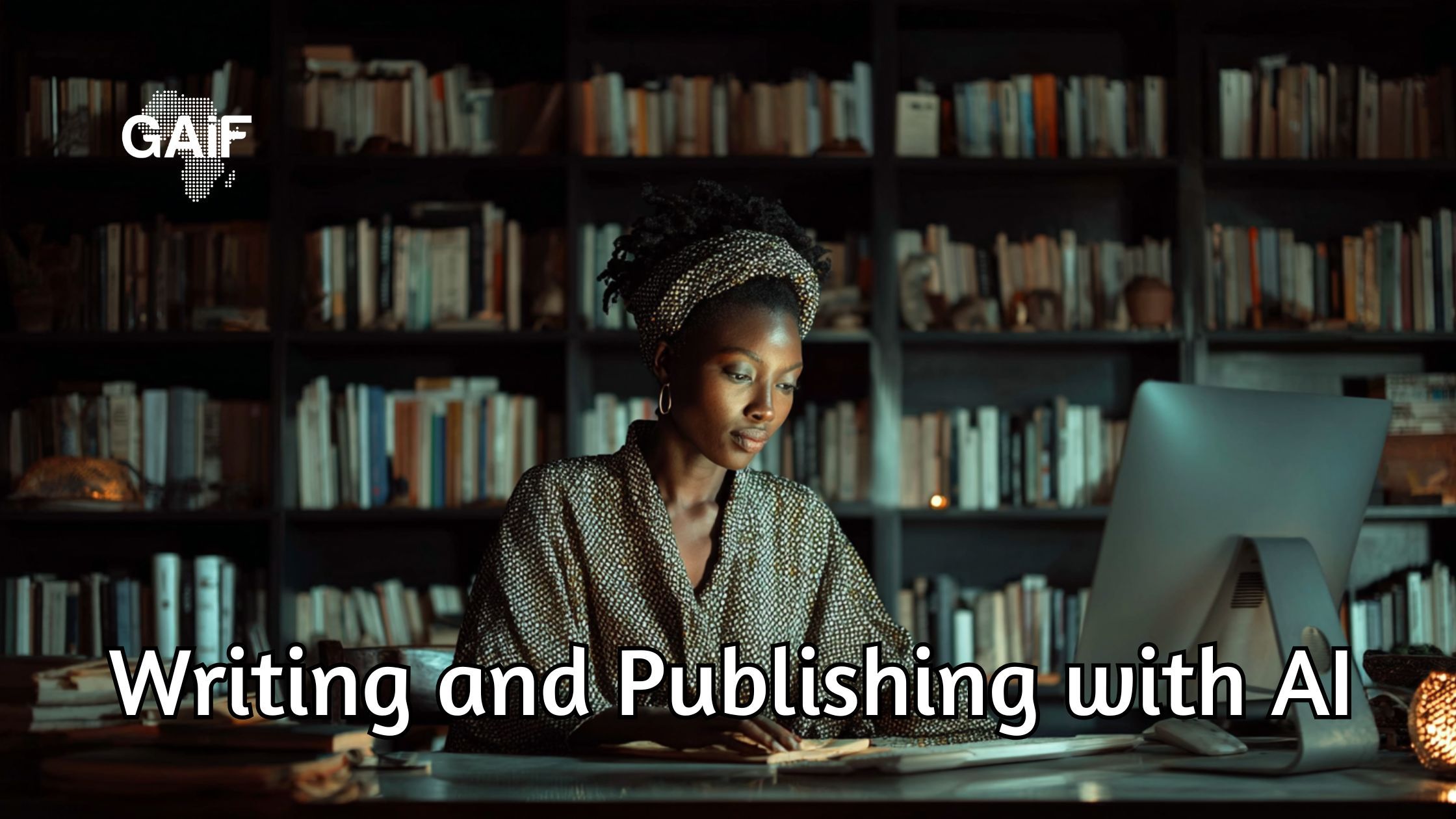
Writing and Publishing Smarter with AI.
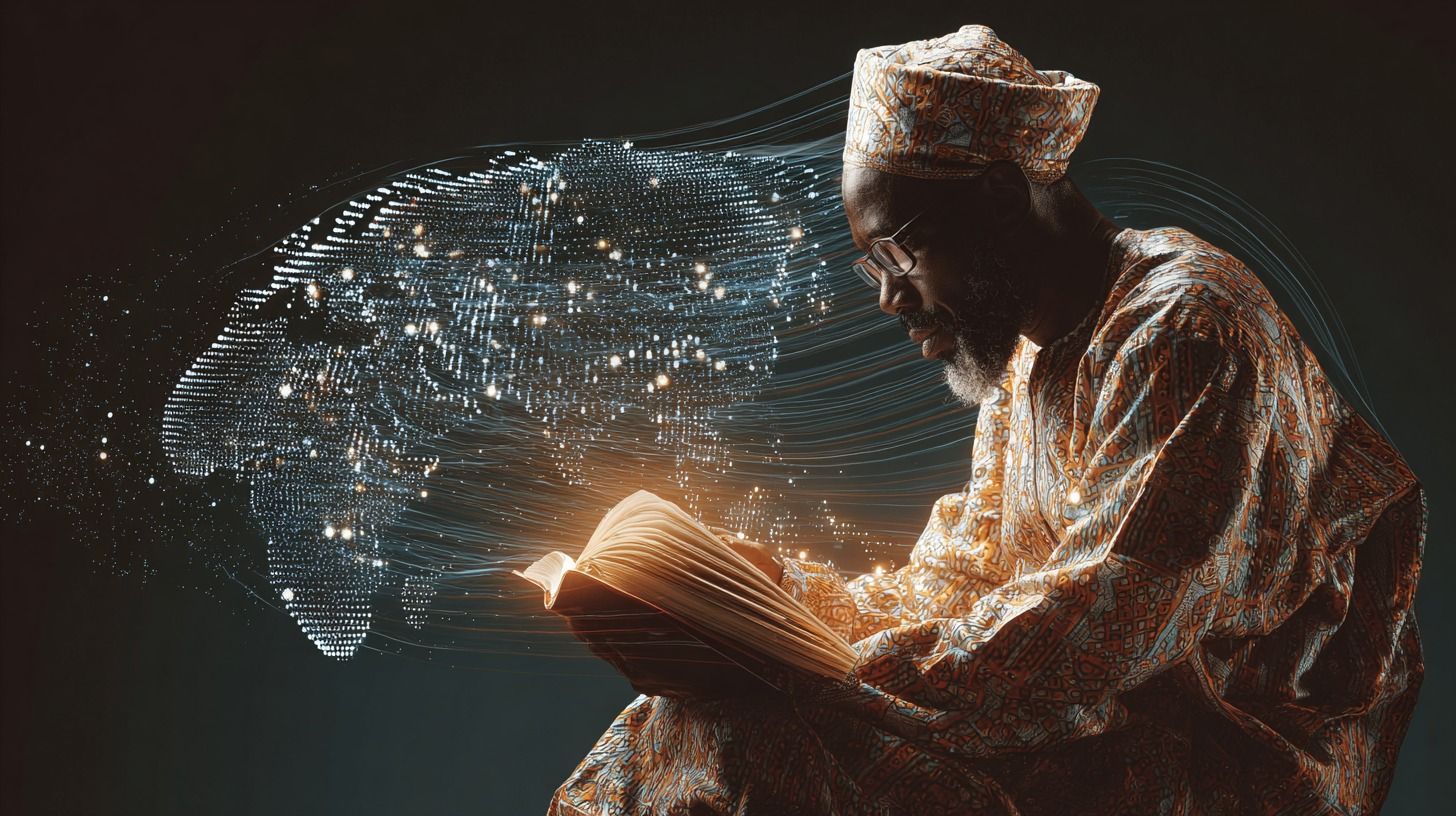
If books could talk, they’d probably laugh at how far we’ve come. Centuries ago, a scribe in Timbuktu hunched over parchment, dipping quills into ink, each word carved with patience. A single manuscript could take months—every correction meant starting from scratch. Stories were treasures because they cost sweat and time.
Skip a few centuries. The typewriter clatters onto the scene. Suddenly, a chapter could be punched out in an afternoon. Editing was still messy, but progress was undeniable. The printing press followed, making it possible for stories to travel farther than their authors ever dreamed. Yet, publishing stayed an elite club—you needed the right doors to open.
Enter the computer. Word processors gave writers control like never before. Delete a paragraph, rewrite a page, rearrange chapters—no problem. African authors like Ngũgĩ wa Thiong’o and Chimamanda Ngozi Adichie thrived in this era, where technology made it faster to create and easier to share. But challenges lingered: publishing costs, gatekeepers, and marketing struggles.
Now? The game has changed again. The pen has met the processor—and the processor now thinks.

✍️ Writing with AI: Your Tireless Co-Author
That blank page? Less terrifying now. AI writing assistants like ChatGPT, Grammarly, or Jasper have become writers’ allies. They don’t steal your voice—they sharpen it. Stuck on dialogue? Need smoother sentences? Want grammar that sings? AI is there, suggesting, polishing, and inspiring.
A novel draft that once took weeks can now take days. A student’s essay feels less like torture. A blogger can produce sharper content faster. It’s like having a coffee-fueled editor sitting beside you—minus the coffee stains.
📚 Publishing Automation: Cutting Out the Wait
For years, publishing felt like standing outside a locked door. You could knock, beg, or wait endlessly, but entry wasn’t guaranteed. Today, automation is breaking that lock. Self-publishing platforms use AI to handle the heavy lifting—formatting, cover design, even pricing strategies.
Now, a poet in Accra can upload her manuscript in the morning and sell it globally before dinner. That’s not just speed—that’s liberation.
📈 Smarter Marketing: Finding the Readers Who Care
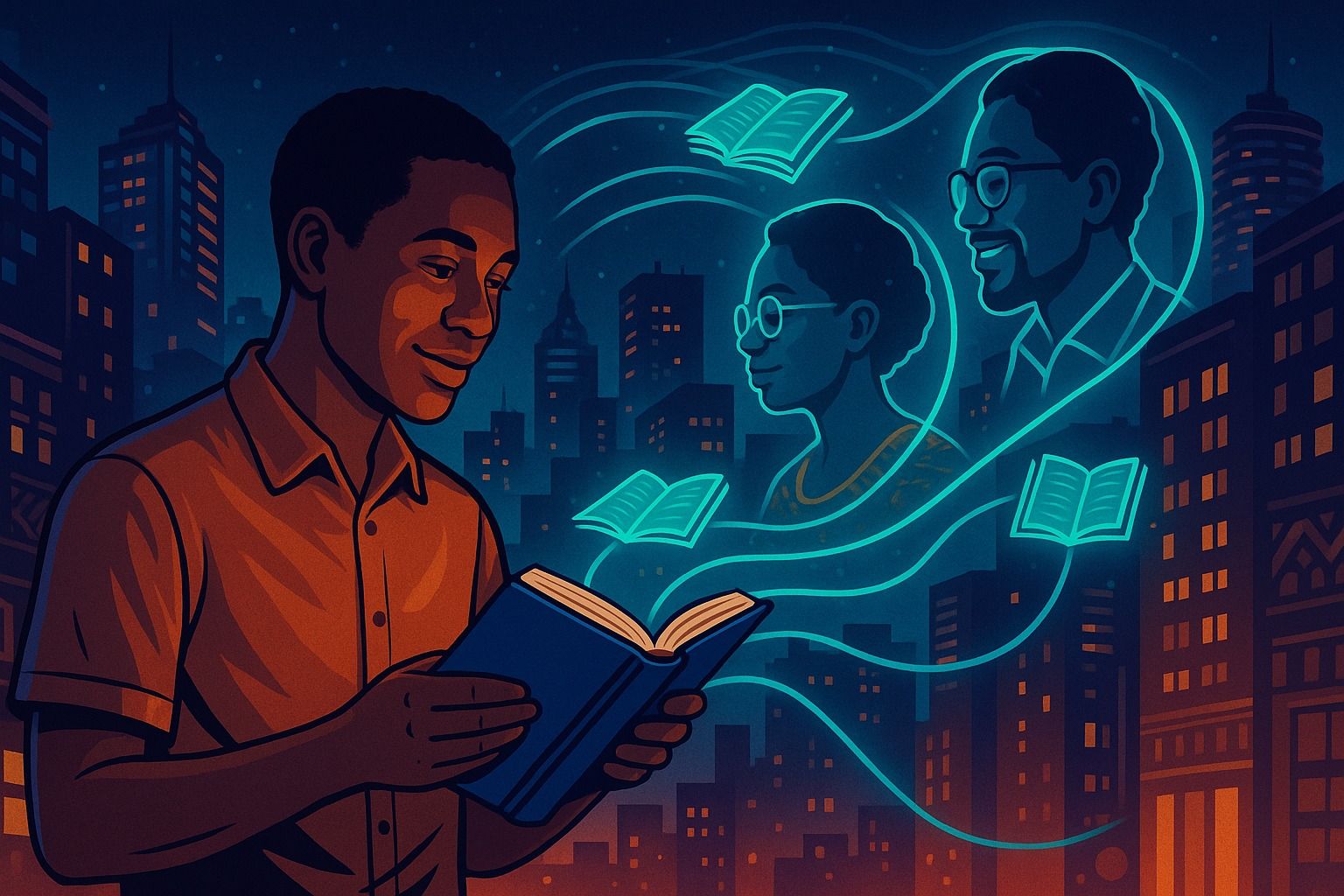
But here’s the truth: writing a book is one thing, selling it is another. In the past, authors depended on word-of-mouth or lucky reviews. Today, AI-driven algorithms know where the readers are—and how to reach them.
Imagine your children’s book being recommended directly to young parents in Nairobi, or your business guide popping up in front of entrepreneurs in Johannesburg. No more shouting into the void. Now, African writers can connect straight to the readers who matter.
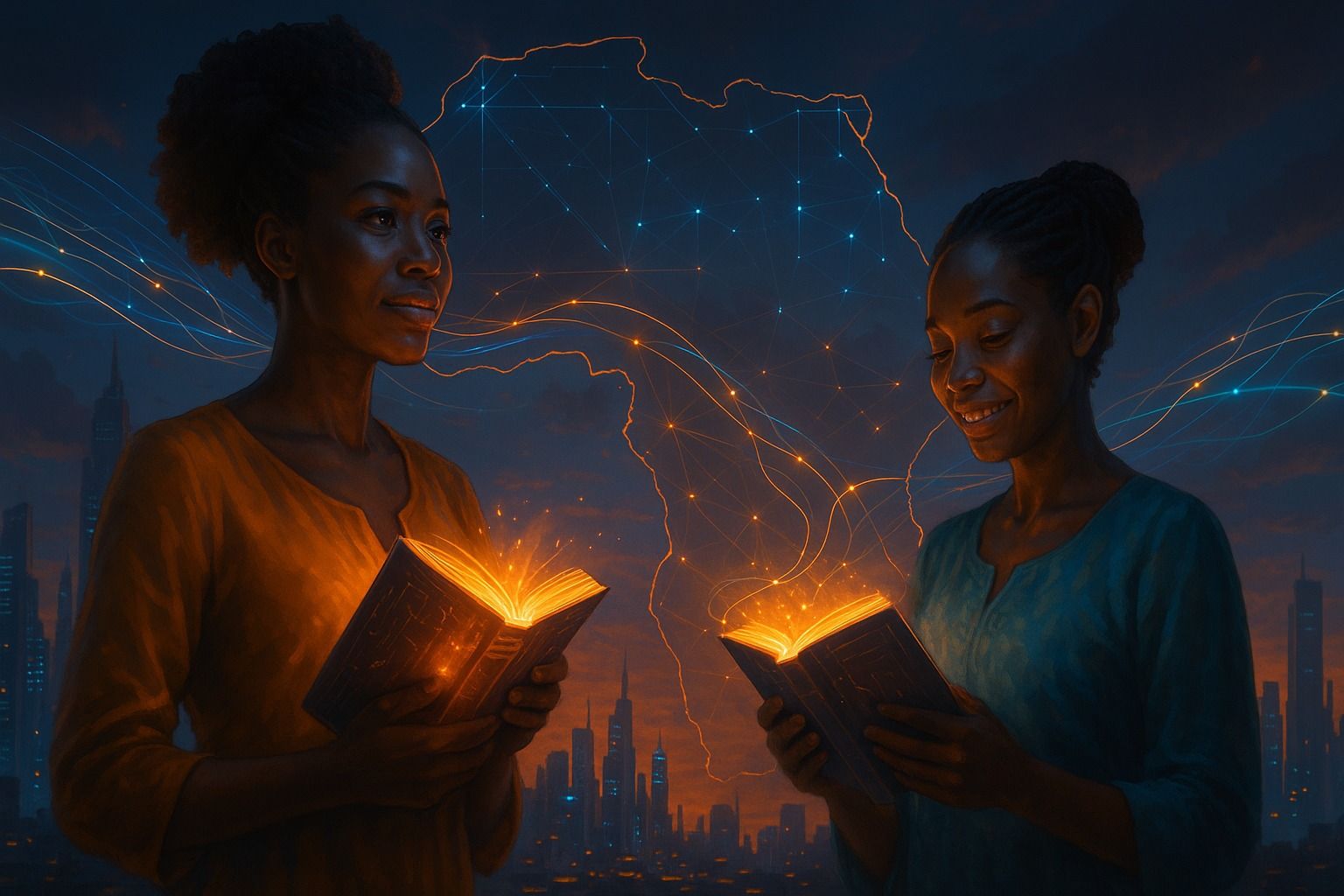
🌍 The African Story, Supercharged
From quills to keyboards, every leap in technology has shaped storytelling. But AI is doing something bigger—it’s democratizing it. What once took months now takes hours. What once required big budgets now takes a laptop and Wi-Fi. The African voice is no longer waiting for permission to be heard.
Sure, AI isn’t perfect. Not everyone has equal access, and creativity still belongs to humans. But it’s making storytelling faster, publishing easier, and marketing smarter.
The pen gave us history. The processor gave us speed. Now AI is giving us reach. And for African writers and publishers, that reach is rewriting the future.
GAiF is where African creativity meets AI. Join us, and let’s make sure every story finds its reader.
Get Sasa by email
Generative AI, Africa now. One edition, no more than once a week.