
Caring with Code: How AI Is Supporting the Elderly in African Communities
AI supporting Africa’s elderly care
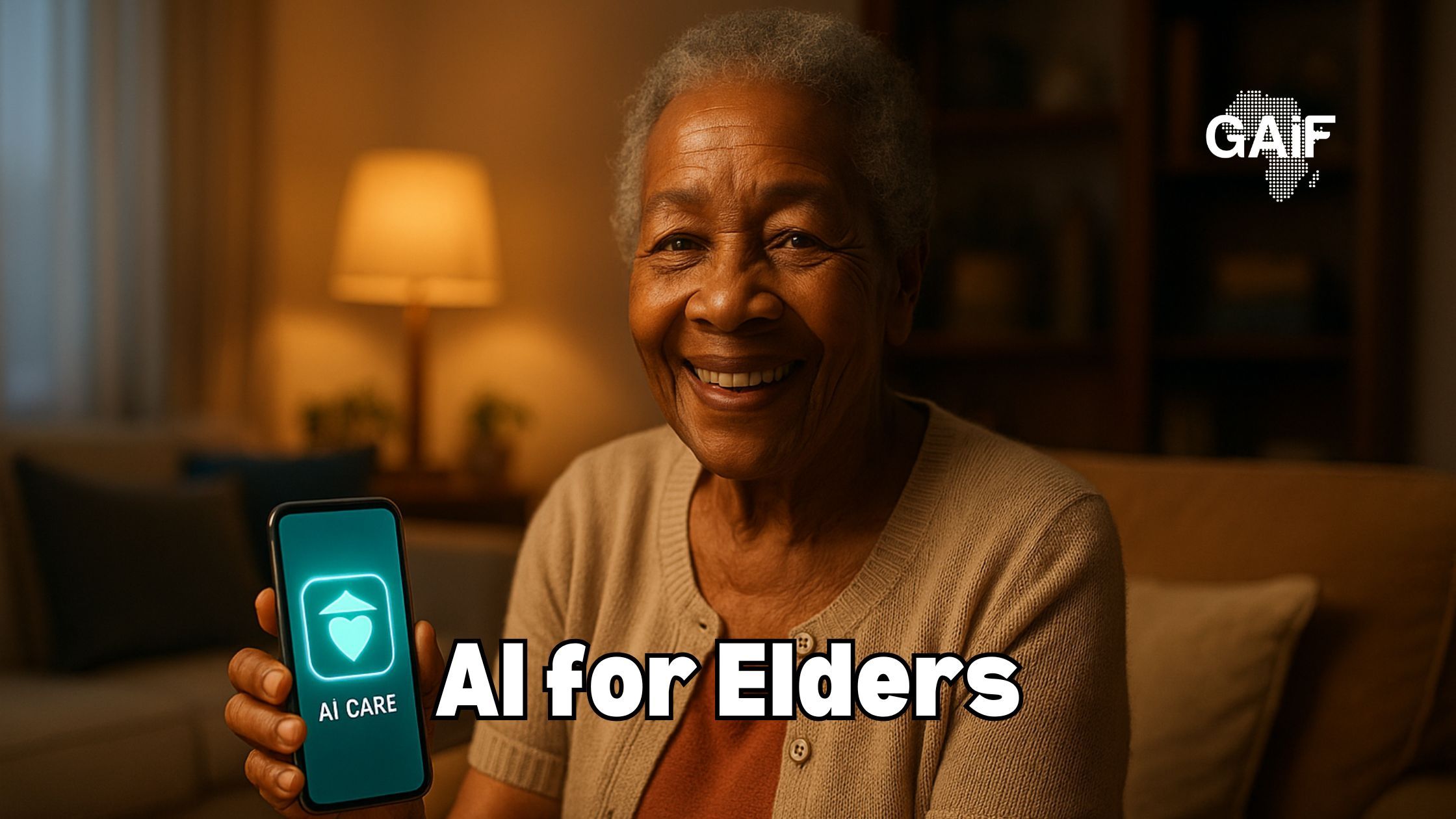
The first time I heard about “elderly caregiving,” I was in my third year at the university. Some students were planning to travel abroad for vacation jobs as caregivers. Caregivers? To me, that sounded like “nurses” in fancy clothes. But these students weren’t even medical students! I got curious, did a quick Google search, and discovered an entirely new world — care homes, home-based elderly care, and structured systems for looking after aging parents.
Now pause. Let’s put this in an African context.
In Africa, if you dared suggest putting your aged parents in a “home” run by strangers, you’d be labeled the ungrateful child who has abandoned their roots. We’ve grown up with sayings like:
“Your parents care for you until you grow your teeth, and you care for them until they lose theirs.”
Translation? Your parents raised you — now it’s your turn.
And that “turn” usually means endless sacrifices:
- Driving down to the village every other weekend.
- Endless phone calls about complaints and medical bills.
- Sending money for rent, food, medication, or emergencies.
Or to make life easier, bringing your parents to live with you — which sounds noble until you remember you’re already juggling kids, career, traffic, and trying to squeeze in one quiet weekend a month.
Let’s be honest: caregiving in today’s African city life can feel like running a marathon with no finish line.
But here’s the good news: AI is sliding into this story — not to replace human care, but to lighten the load.

How AI is Lending Us a Hand
- Safety First
Fall detection apps and smart devices act like watchful guardians. If your father slips in the bathroom while you’re stuck in Accra traffic, you’ll get an instant alert and call for help. No more relying on neighbors noticing hours later.
- Medication Made Simple
Remembering pills can be a nightmare — even for the young! AI-powered apps like MediSafe send reminders, track doses, and even ping you if your mum forgets. It’s like having a polite, non-nagging nurse in the house.
- A Little Company
Loneliness is a silent enemy for many elderly people. Companionship bots or AI chat assistants keep them engaged with music, light conversation, or even jokes. It may not be the same as your Sunday visit, but it sure beats silence.
- Family Coordination Apps
Forget chaotic WhatsApp groups where siblings argue over who’s paying what. AI caregiving apps allow families to split responsibilities, monitor health updates, and coordinate hospital visits smoothly. Less drama, more care.
- Cost Matters
Hiring a live-in caregiver or sending parents abroad to structured homes can be very expensive. But AI-powered apps and monitoring devices are proving to be cheaper and more practical alternatives — without compromising safety.

Is this for Africa?
Africa hasn’t always had structured elderly care systems, and our extended family safety net is thinning out. The reality? Many aging parents are left vulnerable. AI gives us a way to bridge the gap — helping us honor tradition (caring for our elders) while adapting to modern realities (long commutes, demanding jobs, and scattered families).
Our elders deserve dignity, safety, and love. AI doesn’t take away our responsibility — it enhances it. It makes it possible to care for them without burning out ourselves.
And this is exactly why GAiF exists. We believe Africa can go beyond just “using” these tools — we can innovate, build, and design solutions that reflect our own cultures and realities.
Join GAiF today. Together, let’s create an Africa where caring for our elders is powered by love, supported by tech, and sustained by community.
Because at the end of the day, whether it’s cooking their favorite soup or installing a fall detection app — care is care.
Get Sasa by email
Generative AI, Africa now. One edition, no more than once a week.