AI in the Kitchen: Stirring Up a New Food Culture in Africa and Beyond
Revolutionizing African food with AI
It was one of those laid-back Sunday afternoons in Accra. The kind where the scent of waakye floats through the window from a neighbour’s kitchen, and my own pot of light soup bubbles gently on the stove.
I was in the kitchen humming along to some Afrobeats as I peeled cassava and plantains for my favorite fufu with goat light soup.
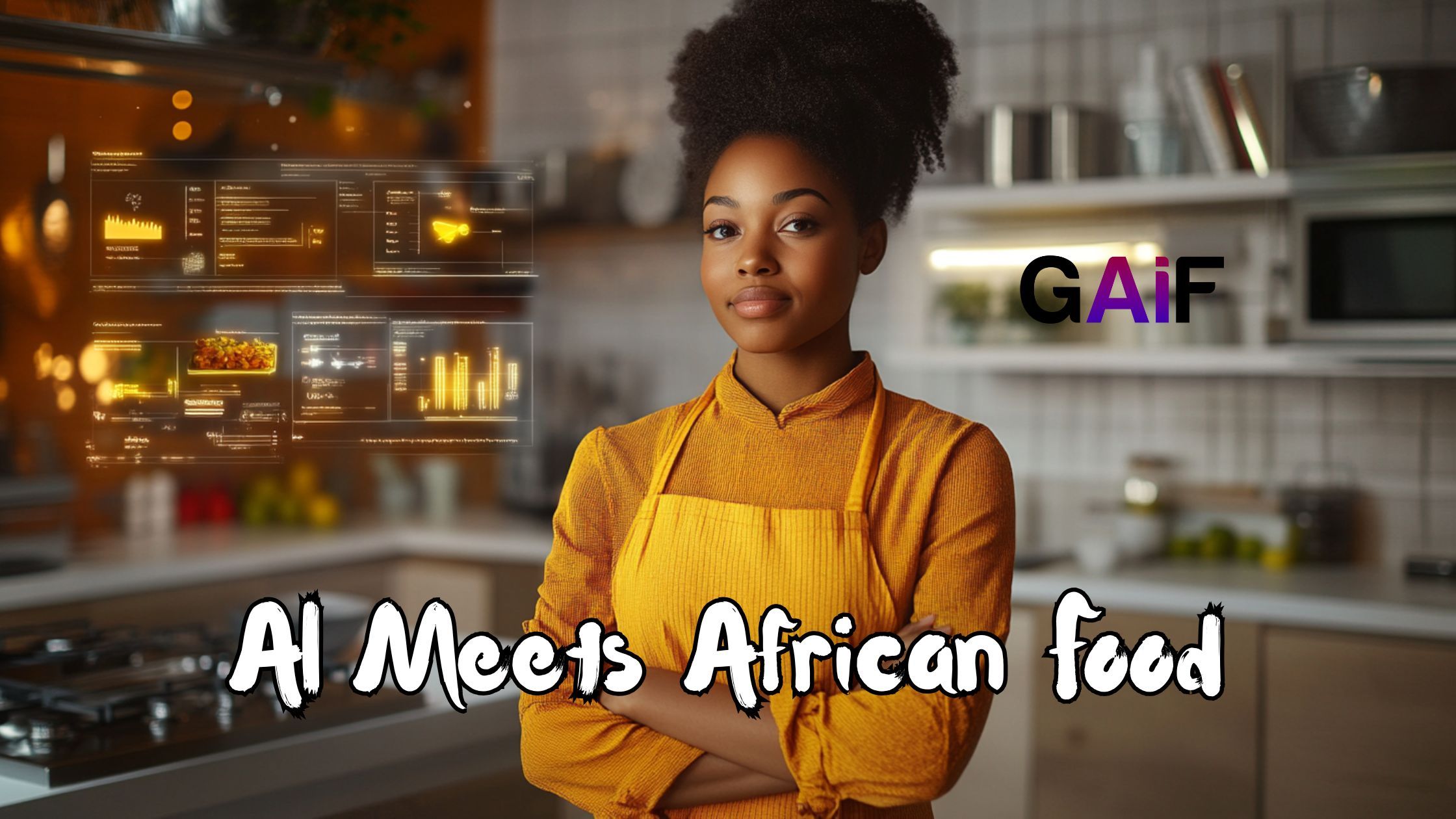
The steam was rising, the scent was tempting, and my playlist was on point. Then it hit me — what if AI could help me cook this meal better, faster, and healthier? What if I could get help choosing the right ingredients, tracking the calories, or even preparing the dish itself?
Suddenly, I wasn’t just cooking. I was thinking about how Artificial Intelligence could transform the way we eat —
And right there, between the boiling cassava and the sizzling aroma of the soup, I paused. AI? In my kitchen? Helping with a local dish? How is that even possible?
Well let me bust your bubble. This isn’t science fiction. It is happening in reality. A new way of living — and eating — has begun.

The Shift: From Gut Feeling to Data-Driven Eating
Our ancestors cooked over firewood and clay pots, guided by oral tradition; time-honored wisdom passed along from one family member to another. No one needed to write recipes — they were shared by word of mouth and remembered through practice.
Our mothers and grandmothers cooked with love — and instinct. They knew when the pepper was enough, or when the soup needed more salt.
But times are changing. In the age of smartphones and smart homes, AI is stepping into our kitchens, not to replace tradition, but to enhance it. Artificial Intelligence is now part of our food journey.
Young Africans are beginning to embrace smart cooking assistants, nutrition-tracking apps, and even AI-generated recipes. The goal? Eat smarter, cook healthier, and reduce waste.

Meet Your New Sous-Chef: AI and The African Flavor
Africa’s diverse culinary culture is a goldmine for innovation. In today’s world, you don’t need to be a professional chef to whip up a delicious and balanced meal. Apps powered by artificial intelligence can now:
- Suggest personalized meal plans based on your diet, allergies, and fitness goals with Apps like Spoonacular, MyFitnessPal, or Yummly. Whether you’re diabetic or trying to lose weight, AI can help personalize your meals. Need a vegetarian version of suya? AI can whip up one for you.
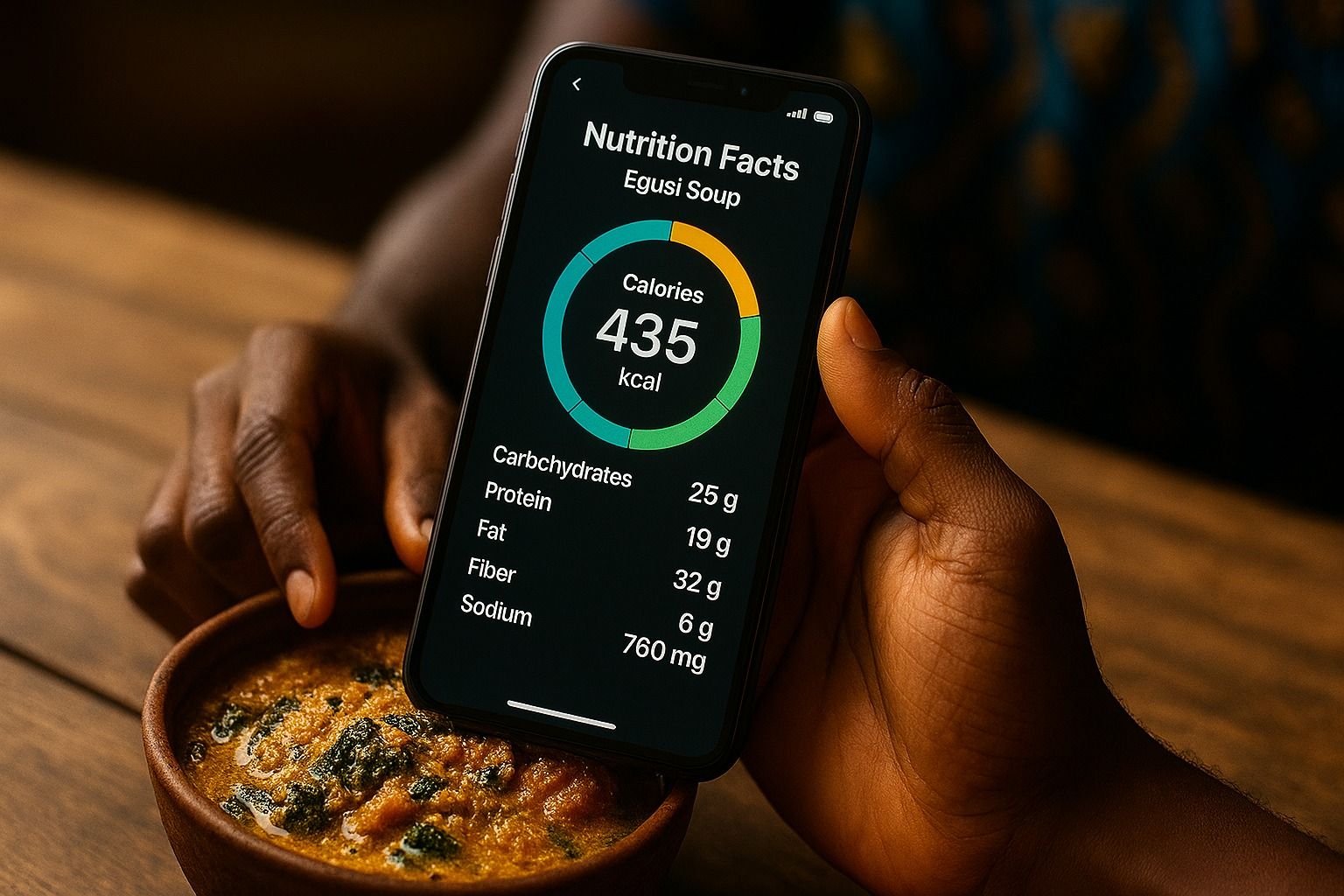
- Track nutritional intake using photo recognition — just snap a photo of your meal and get an instant calorie and nutrition breakdown. Imagine an AI-powered app that helps Mama Ngozi track carbs in her fufu and egusi soup or even suggest substitutes for high-cholesterol ingredients in your Sunday stew.
- Generate recipes from ingredients you already have at home. — Thabo could simply ask his smart speaker to recommend quick, healthy dinner recipes based on leftover pap and vegetables. That’s culture meets code.
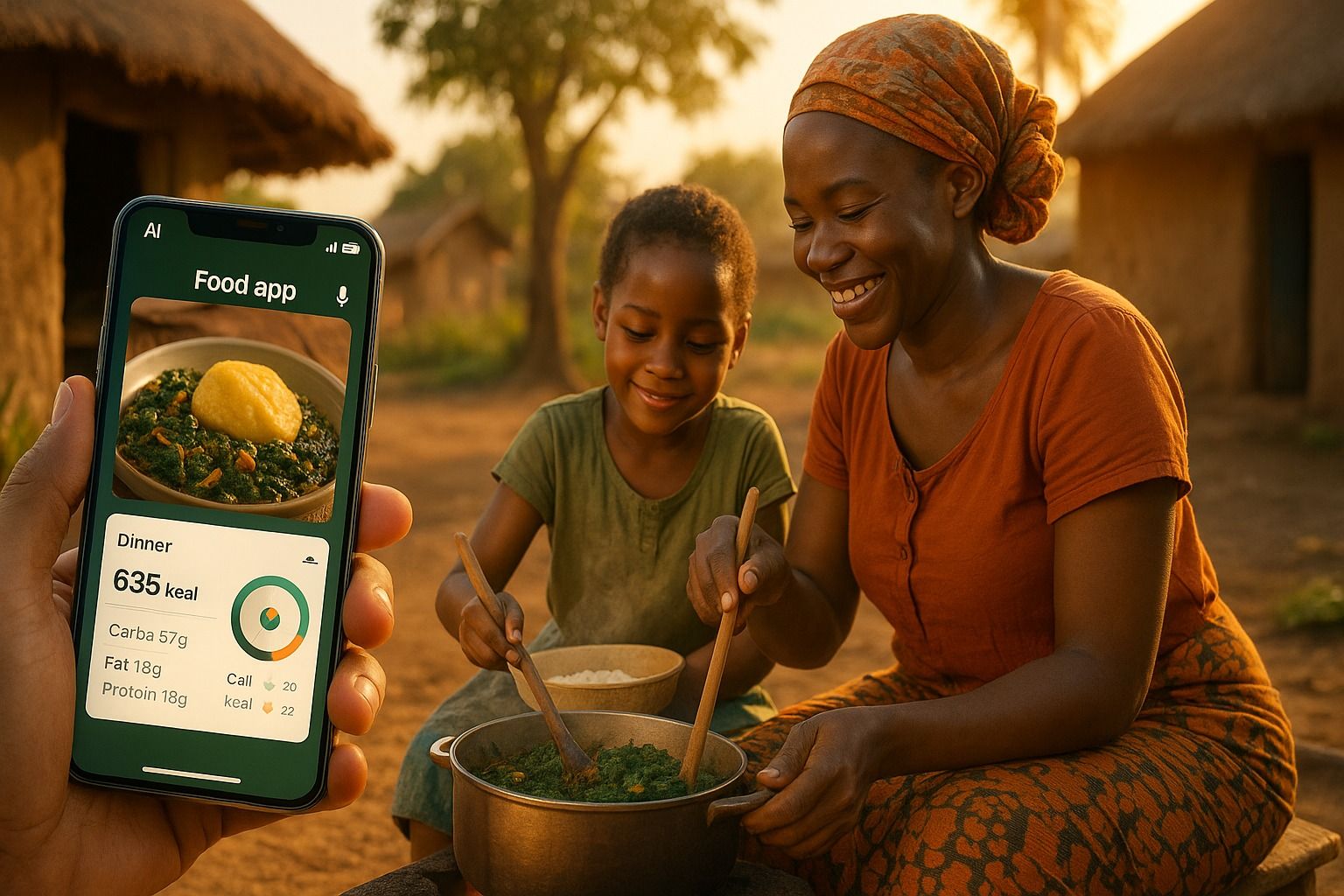
- Voice assistants like Google Assistant or Alexa can walk you through step-by-step cooking instructions, hands-free. Miatta and her family could follow AI-generated steps for a healthier cassava leaf dish.
We’re not just talking about luxury here — this is about smart survival, cultural preservation, and nutritional empowerment.

Are We Better Off Than Our Parents?
Well, yes — and no. Our parents relied on traditional knowledge passed down through generations. They cooked without Google, diet apps, or calorie counters, yet they often ate fresh, organic food with little waste.
But the world has changed. Africa is facing a dual problem: undernutrition in some regions, and lifestyle diseases like diabetes and high blood pressure — even in rural areas.
Our food systems are changing rapidly. Fast food is replacing traditional diets, and processed meals are becoming common. That’s where AI gives us an edge. It helps us make informed decisions, find healthier alternatives, and learn how to cook and eat for wellness. It's no longer about just eating to be full. It’s about eating to live — and live well.
Fun + Function: The Joy of AI Cooking
Preparing meals can be simple, fun, and full of creativity. With AI, you can ask :
"Hey Google, what can I cook with rice, eggs, and sardines?” and boom, you get instant recipes with voice-guided steps, timers, and tips.
Use virtual reality to “practice” cooking skills before doing the real thing.
Explore African recipes you’ve never tried, reimagined with AI to suit your health needs or preferences.
And the beauty? AI doesn’t judge. Whether you’re a culinary queen or a kitchen newbie who just learned how to boil egg, there’s space for you.
Is This a Privilege or a Necessity?
It may sound fancy, but AI in the kitchen isn’t just for the rich or tech-savvy. Smartphones are everywhere. Internet access is expanding. The more we create African-specific tools, the more accessible it becomes.
Our parents had their methods. We have ours. The key is not to throw away tradition — but to cook it into the future by combining our rich traditions with intelligent tools that promote health, sustainability, and inclusivity.
Imagine a pan-African AI app that teaches you how to cook both banku and bobotie, tracks your diet, and links you to local food producers — all in your language. That’s the dream. And with platforms like GAiF, it’s within reach.
Join GAiF – Let’s explore how AI can help us eat better, live longer, and preserve our delicious traditions — one smart meal at a time.
Get Sasa by email
Generative AI, Africa now. One edition, no more than once a week.