Beats by Bots: The Untold Story of AI and Africa’s Creative Rise
AI amplifies Africa’s creative industries
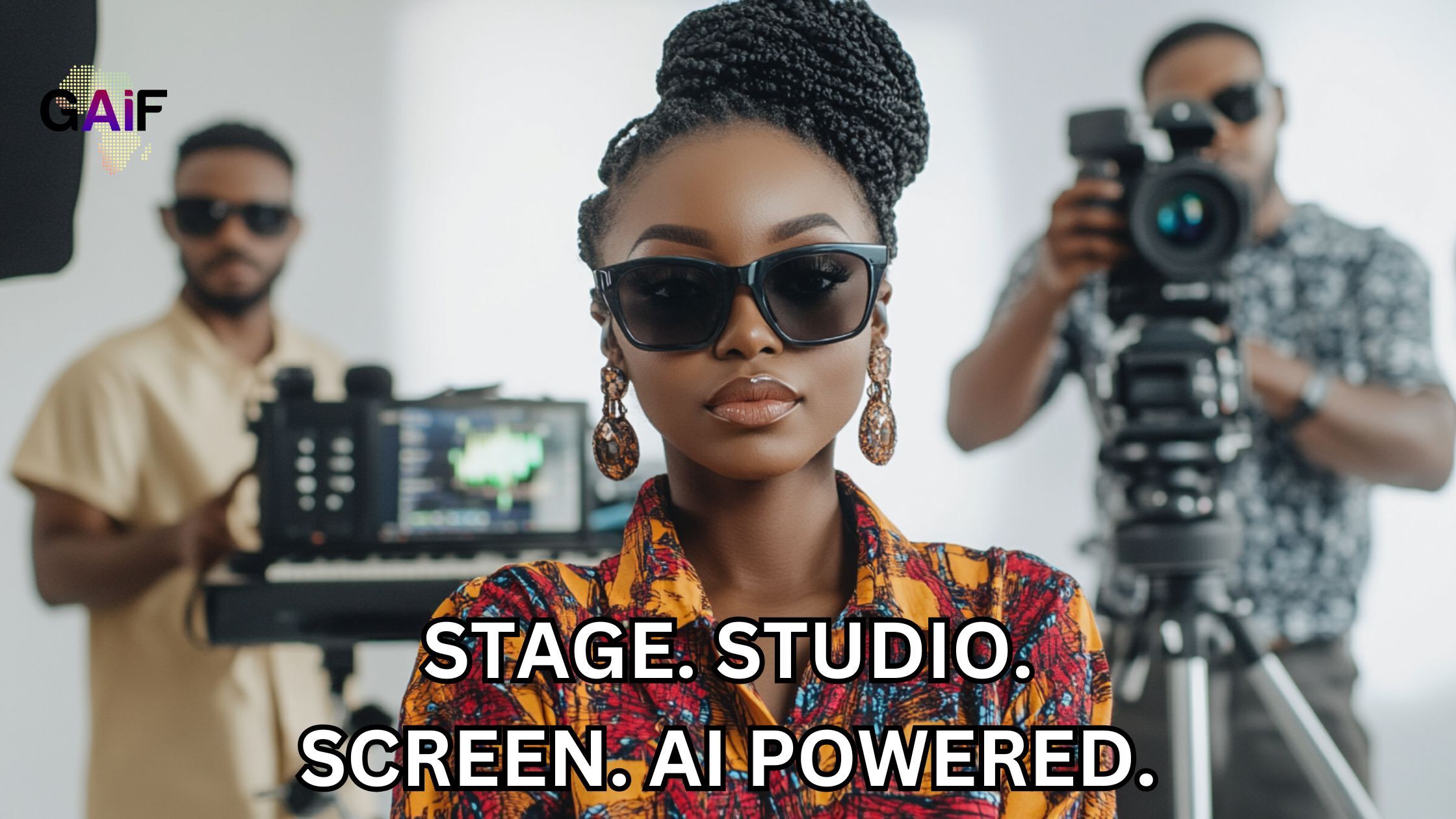
Africa’s creative scene has always been a force to reckon with — vibrant, raw, emotional, and rich with heritage. From soulful Afrobeats to gripping Nollywood dramas, the continent’s stories have long captured hearts worldwide. But now, a new player has entered the creative space — Artificial Intelligence (AI) — and it’s reshaping the rhythm of African entertainment in ways we couldn’t have imagined just a decade ago.
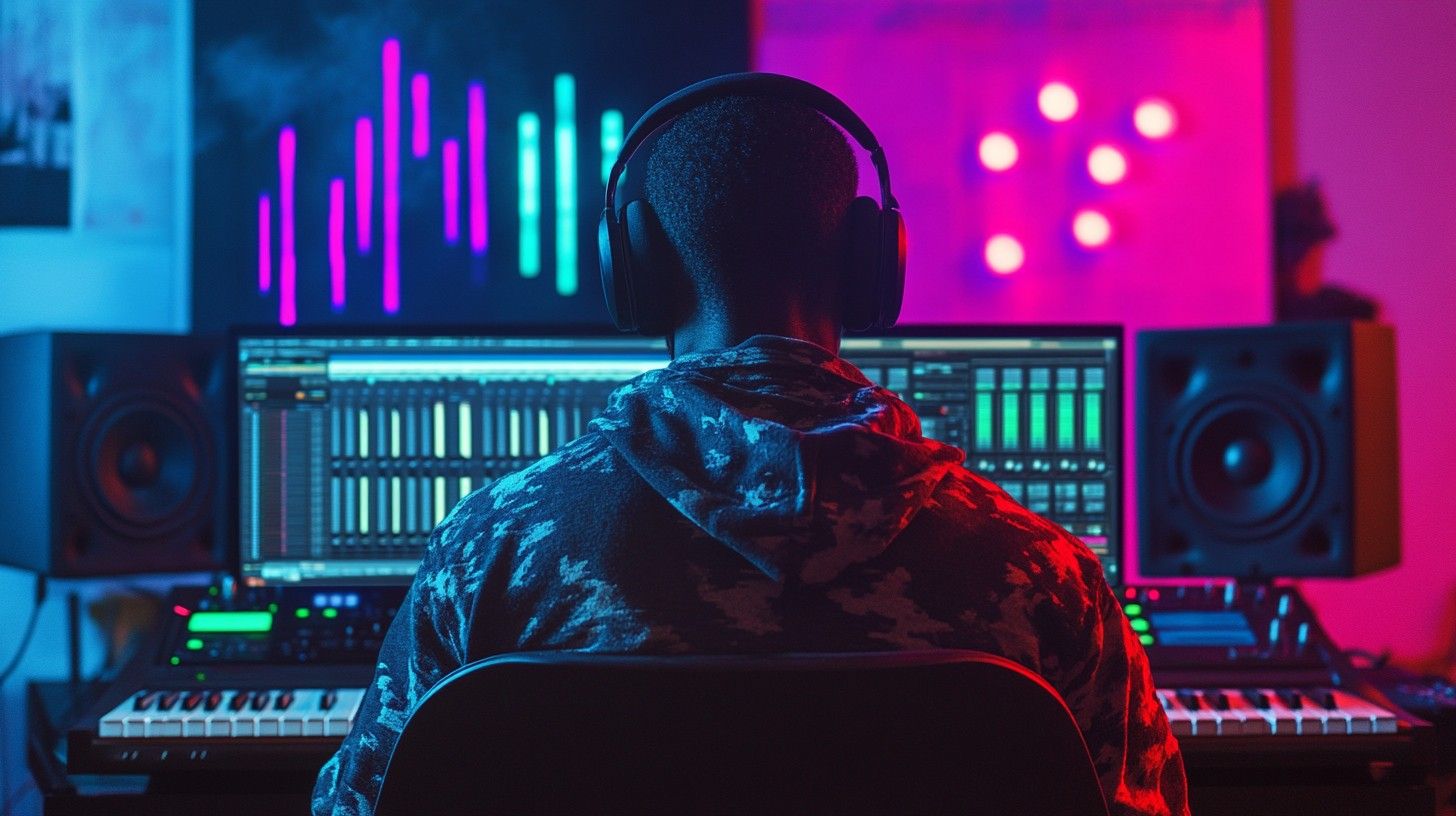
AI in African Music: More Than Just Beats
It started in a tiny bedroom studio in Kumasi.
Kwabena, a 22-year-old aspiring music producer, sat in front of an old laptop with cracked speakers. No big setup. No record label. Just passion, patience, and an app he downloaded called Soundful.
He typed in a mood — “Afro groove, happy, hopeful.”
In less than five minutes, AI had created a beat that sounded like a mix between Burna Boy and Osibisa. Kwabena added his own melody, wrote some quick lyrics, and used another AI tool to clean up the sound.
He posted the track online.
The next day, it went viral on TikTok.
From his bedroom in Ghana to playlists in Brazil, Korea, and Germany.
But this isn’t just Kwabena’s story.
This is Africa’s new creative journey — and AI is riding in the passenger seat.
For years, making music in Africa meant booking a studio, paying sound engineers, and sometimes waiting months to release a song. Today, all you need is a smartphone, Wi-Fi, and the right AI tool.
AI tools can generate melodies, recommend lyrics, master tracks, and even mimic traditional African instruments. For up-and-coming artists with limited resources, AI-powered apps like Boomy or Soundraw offer a fast track to high-quality sound production without the need for expensive studio time.
But the magic doesn’t stop at production. AI is also helping artists understand their audience better — analyzing streaming data to find out which songs are hitting and why. This means African musicians can make smarter decisions, grow faster, and reach fans across the globe with precision.
But here’s the twist: they’re not losing their sound — they’re shaping it.
Afrobeats, Amapiano, Hiplife, and Bongo Flava are not getting watered down. AI is learning from them — copying their rhythms, amplifying their reach, and opening up new sounds the world has never heard.

AI in Film: Making Movie Magic on a Budget
Across Nollywood and African film hubs, the quiet hum of AI is changing how stories are told. African filmmakers are starting to use tools like Runway ML, Pika, and Sora to create short films, design scenes, and even dub movies into local languages using synthetic voices.
A filmmaker in Dakar uses Runway ML to edit scenes in hours instead of days. A post-production team in Johannesburg uses AI to restore old African films and bring them back in full color, HD, with subtitles for Gen Z viewers.
This is big news for independent creators across the continent. AI reduces production costs and opens the doors for storytelling that’s authentic, accessible, and international.
African films have always told powerful stories. Now, with AI, creators can do even more — without spending a fortune. AI becomes the camera, the editor, even the actor — but the soul of the story still comes from the creator.
So whether it’s a short film on YouTube or a full series for Netflix, AI helps African filmmakers dream big and do more with less.
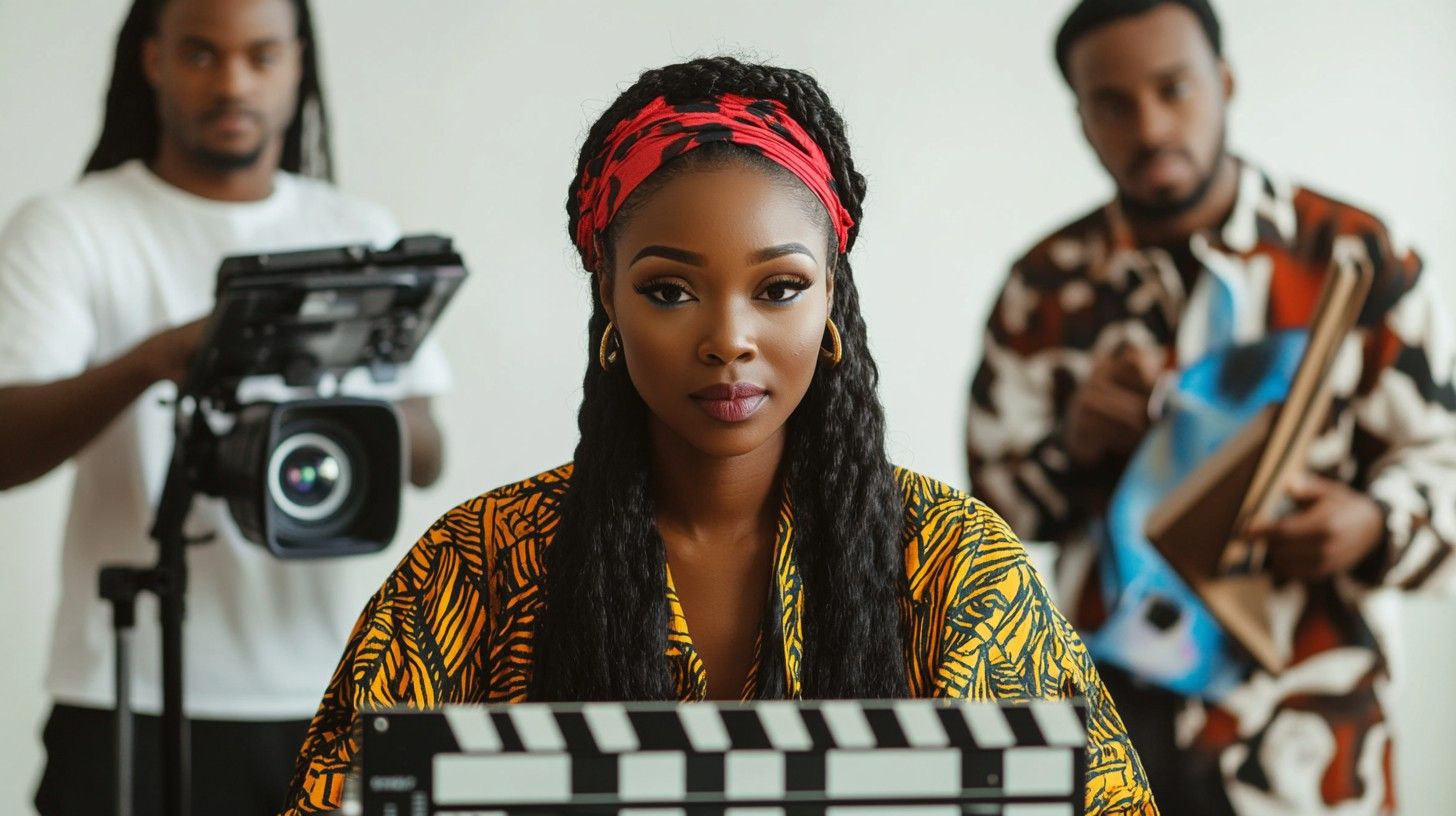
Stage Lights and Algorithms: AI Enters African Theatre
Now, let’s move from the studio to the stage.
Have you ever thought about how AI could shape live performances?
In Nairobi, a young playwright named Achieng is using AI to analyze scripts and get instant feedback on dialogue flow, pacing, and audience mood. Before a single rehearsal, AI helps her decide which scenes need more energy or which characters feel flat.
Meanwhile, in Lagos, a theatre group uses AI to:
Design virtual stage backgrounds that react to lighting and sound
Translate live dialogue into subtitles for multilingual audiences
Generate costumes based on African heritage and futuristic designs
One group even trained an AI voice to act as a storyteller — narrating in flawless Yoruba and English, switching tones to match the scene’s emotion. The audience was stunned. It wasn’t just a play. It was an experience.
AI in theatre isn’t replacing actors — it’s becoming part of the cast.
But Let’s Be Clear...
No matter how “smart” AI gets, it can’t feel the goosebumps during a live drum solo.
It can’t cry at the sound of a mother’s voice in a film.
It can’t improvise in Twi when the crowd laughs in the wrong place during a play.
That’s all you.
The human. The African creative. The soul behind the story.
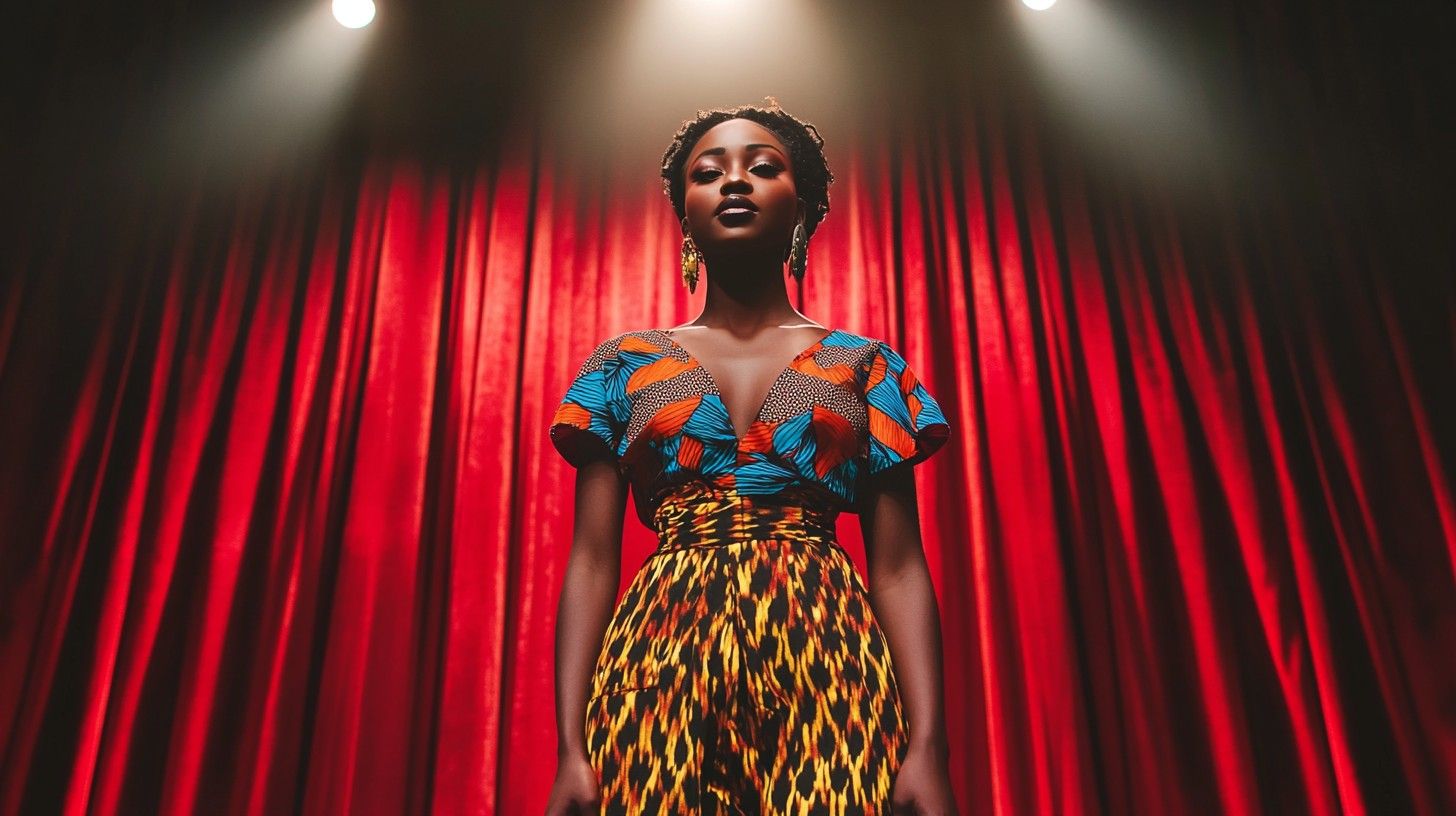
The Curtain is Rising... And You’re Invited
AI isn’t just a trend; it’s a tool waiting for you to take control of it. To bend it to your voice. To bring your culture to life in new ways the world hasn’t seen before.
And if you’re wondering where to begin, we’ve got just the place for you:
GAiF is a growing community of African creators, thinkers, and innovators using AI to transform music, film, theatre, design, and more. GAiF is where:
You learn and grow
You connect and collaborate
You stay ahead of the curve
Let’s tell African stories — powered by AI, shaped by culture, and led by YOU.
Get Sasa by email
Generative AI, Africa now. One edition, no more than once a week.