Saving Forests with Code: How AI is Protecting Africa’s Ecosystems
How AI is Protecting Africa’s Ecosystems
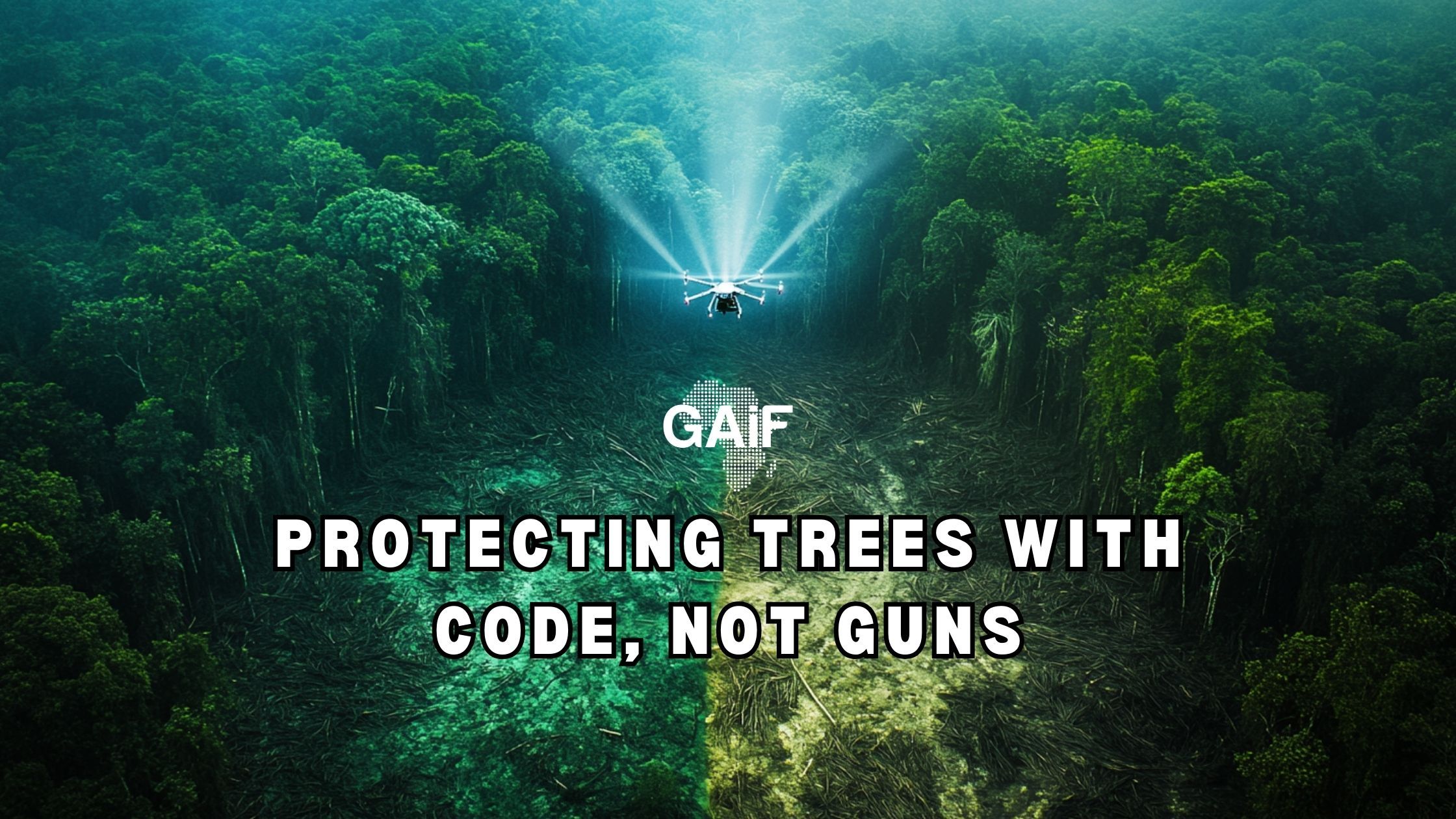
Not long ago—protecting Africa’s forests meant sending a few rangers into the wild with notebooks, binoculars, and, if they were lucky, a motorbike. They were brave, but let’s be honest: how do a handful of humans protect millions of trees from chainsaws, bulldozers, and illegal miners?
But guess what? We’re not stuck in that chapter anymore. Africa is stepping into a new era—one where code, cameras, and clever algorithms are quietly becoming the guardians of our ecosystems.
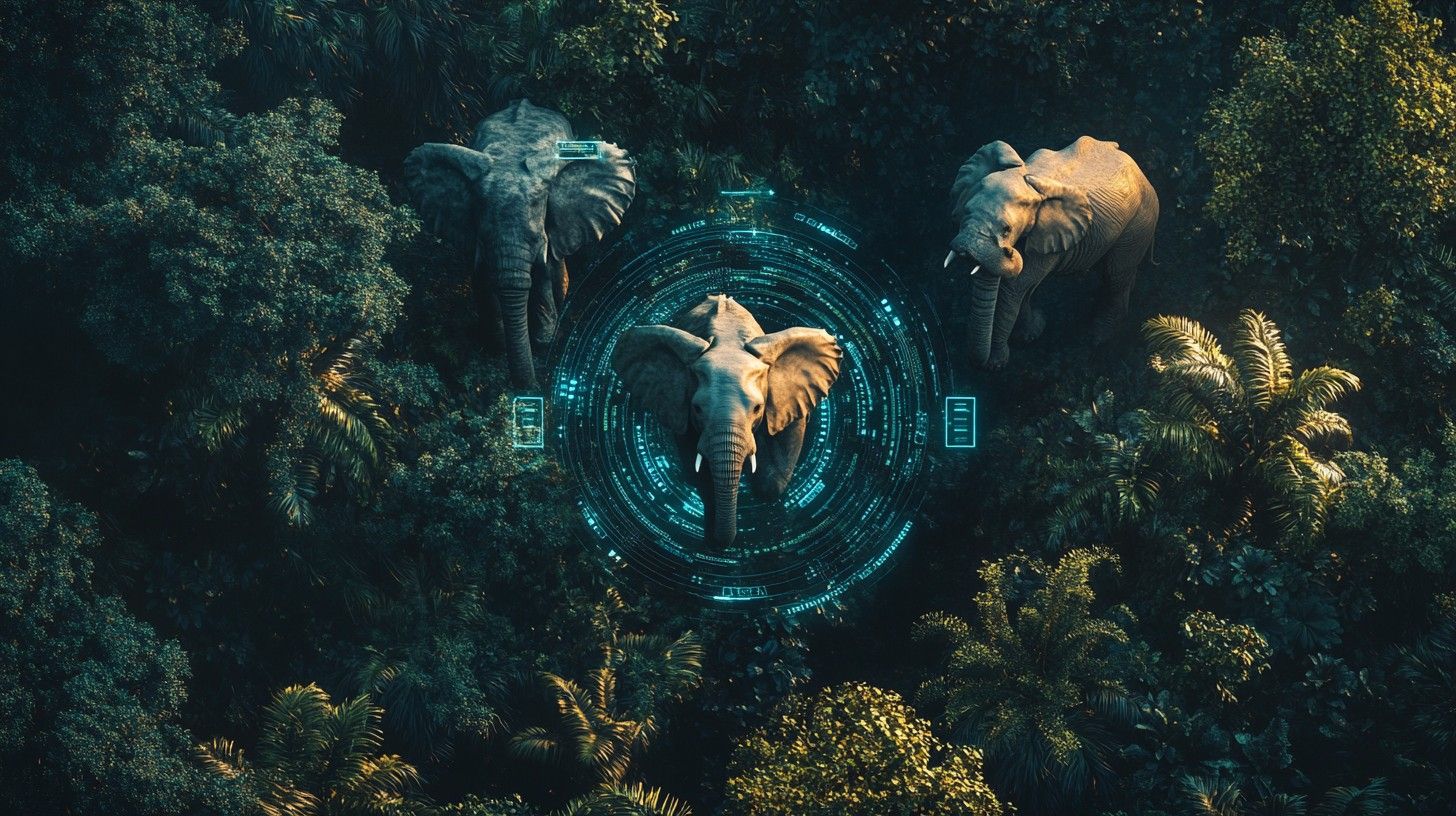
Picture a group of forest elephants casually strolling through the dense green of the Congo Basin, unaware that satellites thousands of miles above are silently watching over them—not to spy, but to protect.
Oh yes! You guessed right.
Once again, artificial intelligence (AI) is the superhero in this story, wearing a cape made of code.

Africa’s forests are a lifeline. They’re not just home to elephants and chimpanzees; they filter our air, regulate rainfall, provide food and medicine, and offer livelihoods to millions. From the Congo Basin to Kenya’s Mau Forest and Ghana’s once-lush green belts, these ecosystems are priceless.
But over the years, deforestation, climate change, illegal logging, and mining have stripped these areas bare. According to the UN, Africa loses over 4 million hectares of forest every year—that’s roughly one football field of trees every few seconds. Ghana alone has lost over 60% of its forest cover in recent decades
In Ghana, for example, illegal mining (a.k.a. galamsey) has not only destroyed forests but turned rivers into sludge. Farmlands are dying. People are getting sick. And Ghana is just one piece of the puzzle.
Conservationists and governments have long been trying to stop the bleeding. But tracking poachers or illegal loggers in dense forest with nothing but human eyes and boots on the ground? That's like trying to find a mosquito in a thunderstorm.
So... how do we fix this without sending a million rangers into the bush?
Meet AI: The Digital Ranger
AI has no legs, but it can patrol millions of hectares faster than any forest ranger ever could. Using data from satellites, drones, camera traps, and even sound sensors hidden in trees, AI systems can detect threats in real time. It’s like giving forests eyes, ears, and a brain.
Some AI tools can identify animal sounds and movements through sensors placed in forests. Think of it as Alexa... for nature.
Here’s the exciting part: Africa isn’t just watching from the sidelines. A few countries have already rolled up their sleeves.
In Rwanda, drones equipped with AI monitor forest cover and agricultural land to improve environmental planning.
Gabon, one of Africa’s greenest countries, uses satellite AI systems to monitor deforestation and illegal logging in its vast rainforests.
Meanwhile, in Kenya and other parts of East Africa, AI is being used to track animal migration patterns and predict where human-wildlife conflict might arise. If elephants are wandering too close to farmlands, AI can alert rangers or farmers to gently intervene—no shouting or shooing needed.
In Ghana, AI-driven satellite tracking has been piloted to identify illegal gold mining sites—helping authorities detect galamsey activity in protected areas.
These are not dreams—they’re happening.
The best part? AI doesn’t replace humans. It amplifies our ability to protect nature. Forest rangers still patrol, scientists still study species, and activists still raise awareness. But now they have AI as a partner—tireless, fast, and immune to malaria.
What Does This Mean for Africa?
Africa is home to 17% of the world’s forests and some of the most unique biodiversity on Earth. If we lose our ecosystems, we lose not just beauty, but food security, water sources, traditional medicine, and livelihoods.
With AI, we’re not just planting trees—we’re planting hope. We can protect what is left and even restore what has been damaged.

Are Authorities Truly Awake to AI’s Power?
Let’s be real: AI is not being used widely enough.
Many African governments still rely on outdated, manual, and slow systems. Budgets are tight. Infrastructure is lacking. And sometimes, there’s simply not enough awareness of how AI could flip the game.
That’s the gap we need to close.
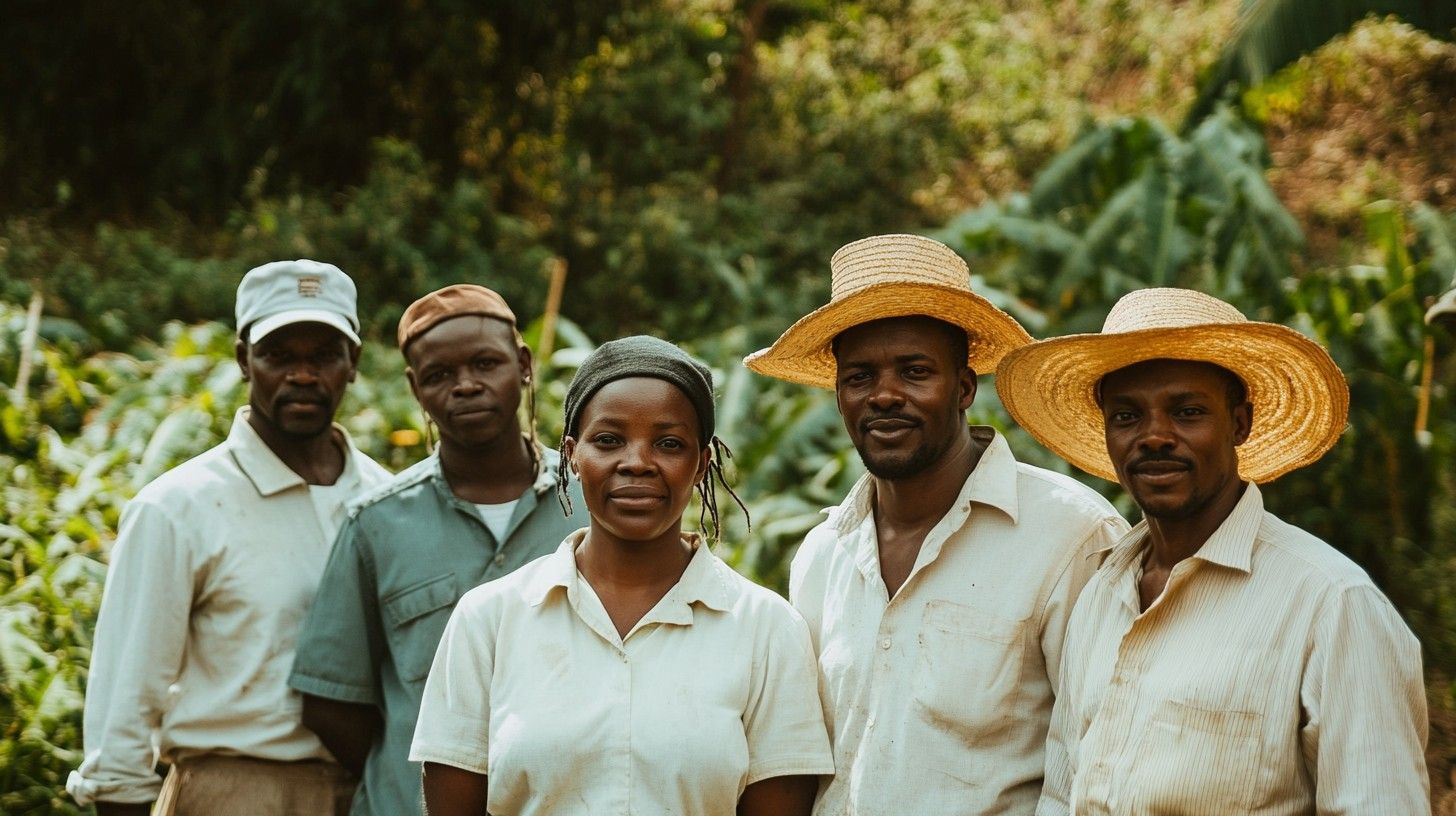
AI gives us the tools but, It needs passionate people—developers, rangers, community members, even students—to make it useful. Imagine the youth in Ghana creating AI apps that report galamsey or designing bots that help plant trees.
So here’s the question: Are we going to sit back and let our land be stolen one tree at a time? Or are we going to code, click, and collaborate our way to a greener Africa?
AI can’t plant a tree—but it can tell us exactly where we’ve lost one, who took it, and how to stop it from happening again. And in this fight for Africa’s natural future, that kind of clarity is gold.
So, the next time you hear “AI,” don’t just think robots. Think rainforests, rivers, rangers...
Your voice, your ideas, and your curiosity are needed. Join us at GAiF and let’s grow this forest of knowledge together.
Get Sasa by email
Generative AI, Africa now. One edition, no more than once a week.