The Quiet Force Behind AI: Meet Sama
How Sama is revolutionizing technology and employment.
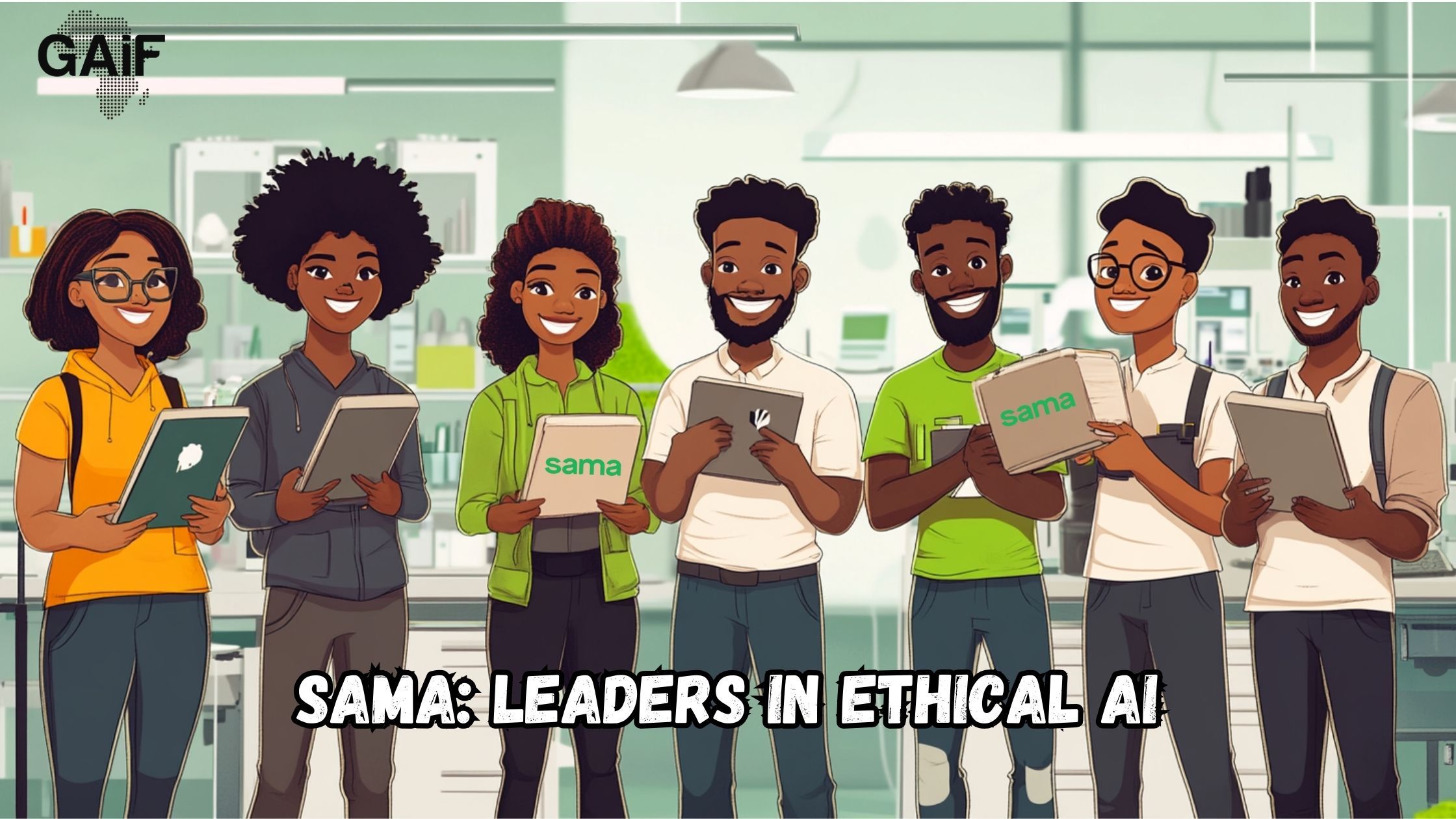
Training AI and transforming lives — Sama is revolutionizing both technology and employment, one data point at a time.
In the world of artificial intelligence (AI), there are some household names to the homes of everyone. Google, Microsoft, and OpenAI are three of them. There is, though, a less publicized, equally pivotal power force working behind the scenes and doing vastly to drive AI: Sama.
You might not know the name, but there's a good chance your go-to AI technology has been powered by Sama's efforts. From image labelling to text labelling, Sama is giving the essential training data that powers the world's most advanced AI systems.
Here in this blog, we delve into Sama's life, a company that is reshaping the human work and tech book. It's not as simple as a number game though — it is about empowering human beings, appropriate AI development, and employment possibilities in underdeveloped communities. So, let's delve into the interesting back story of Sama and its impact on shaping the lives of people and AI.
The Rise of Sama: From Social Enterprise to AI Powerhouse
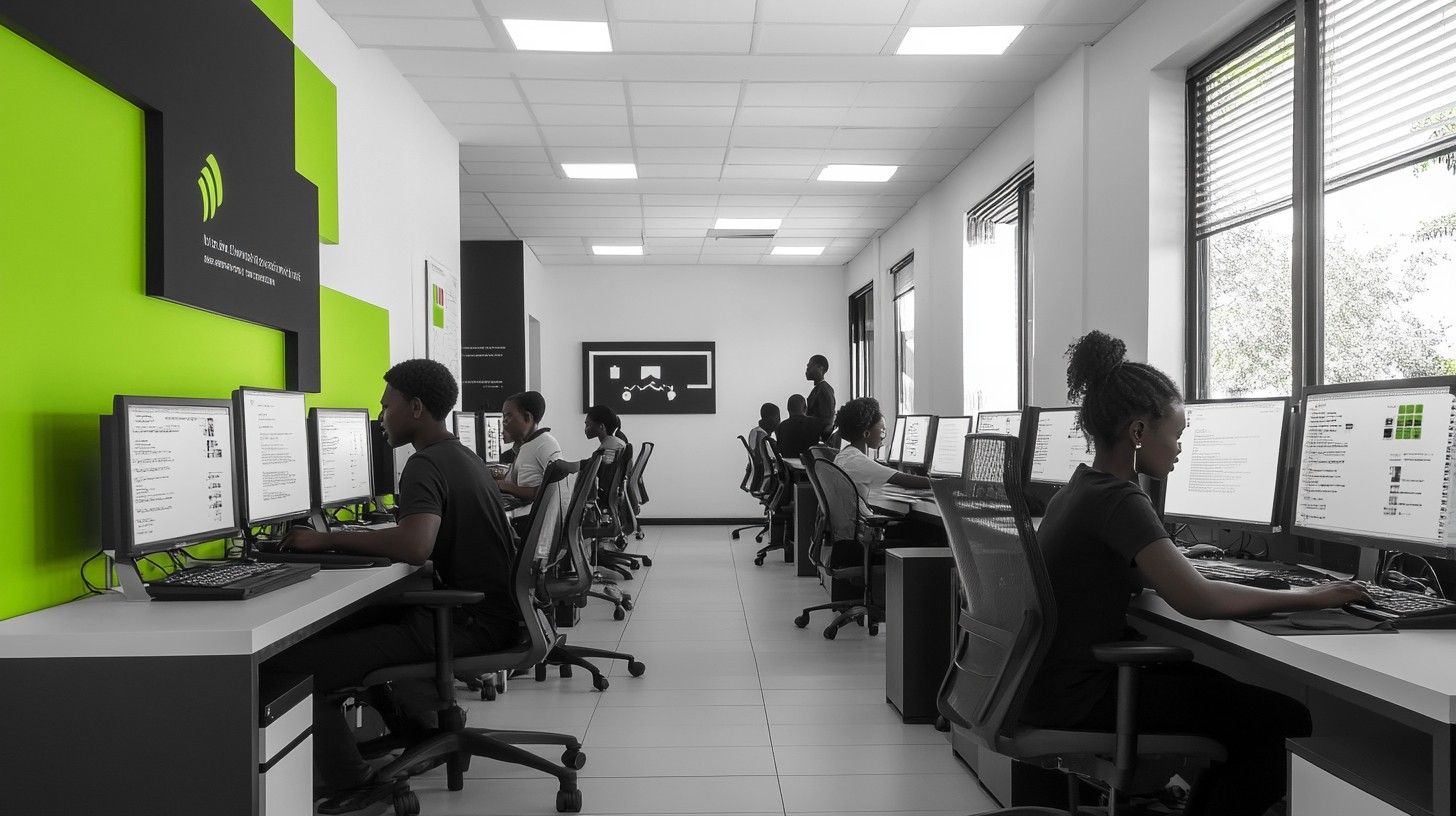
Founded in 2008 by Leila Janah, Sama started out with the mission of providing dignified digital employment to people in emerging economies. Sama's social enterprise model tends to provide decent-paying jobs to areas where the traditional sources of employment are low. Sama started providing low-skilled online jobs like data entry and plain customer service to marginalized workers.
Sama witnessed growing demand for high-quality data annotation — a necessity to train machine learning and AI models — over time. With the advancement of AI technologies, there came an exponential demand for labelled data, and Sama redirected all its data services to facilitate support for only AI development.
Now, Sama is a leading data annotation service provider of computer vision and machine learning. It has offices in Kenya, India, and Uganda with over 5,000 employees. With this shift in providing high-quality data to global top AI businesses, Sama has become a company of preference to companies in diverse sectors from medicine to autonomous vehicles.
How Sama Powers AI: Data Annotation in Action
You might be wondering: How exactly does Sama contribute to building AI, then? Well, let's take a closer look at the data annotation process.
AI models are essentially trained on enormous amounts of data. But to "understand" data, the model has to be aware of what each data point is referencing. That's where data annotation comes into play — it's the process of marking raw data (e.g., images, text, and video) so that machine learning models can be trained.
Sama's workers carefully annotate thousands of images, transcribe audio files, and annotate objects in videos so that AI models learn from accurate and relevant data. It is extremely critical for AI systems based on computer vision (like self-driving cars) or natural language processing (like chatbots like ChatGPT).
And it's not just a matter of names — Sama's quality control means that the data they generate is of the best possible quality, and that works to reduce the risk of AI failure.
The Social Impact: Empowering Workers in Developing Countries
What truly sets Sama apart is its social impact. The company is not only concerned with data; it is concerned with people.
Through its impact sourcing strategy, Sama employs marginalized workers, some of whom cannot access traditional labour markets. Through the opportunity to work online, Sama enables individuals to earn a sustainable income and gain a career in the new technology industry.
Impact by the Numbers:
- More than 5,000 employees are based in Kenya, Uganda, and India.
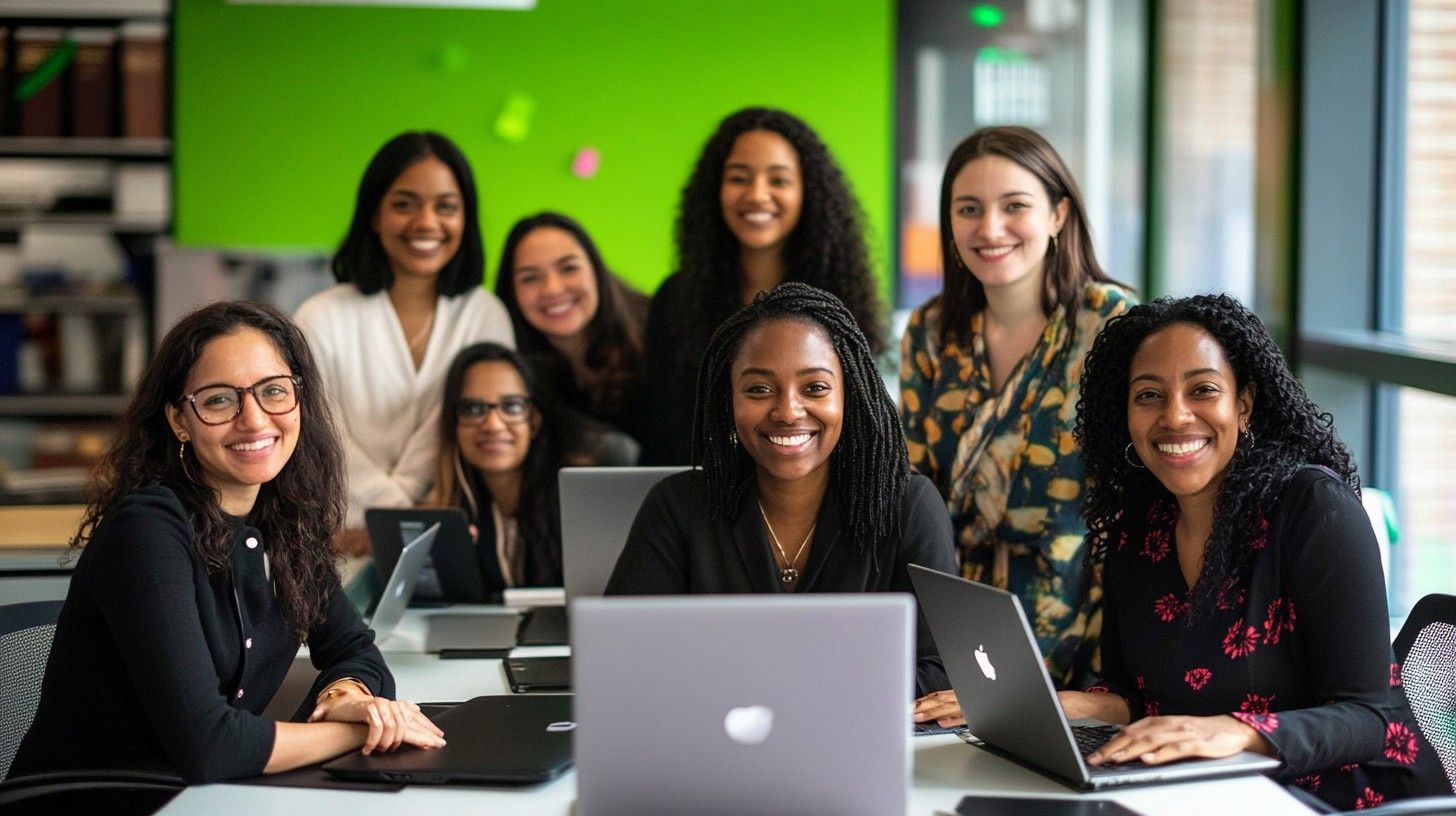
- 70% of Sama's employees are women, some from poor families and rural towns.
- More than $25 million in earnings of workers in under-resourced communities since Sama's founding.
- 40% growth in median wages for workers in Sama programs.
- Sama introduced the AI 101 Program in 2020, offering digital literacy and job preparedness training to employees, enabling them with the skills to shift to better-paying, more advanced roles. The program has offered an entry point for numerous individuals who had previously had extremely limited access to technology training or work.
For example, Kenyan employees, whose largest delivery hub is there, have had their lives transformed by being able to work for global tech companies without ever having to leave their hometowns.
Challenges and Criticisms: The Dark Side of Data Annotation
Although Sama has been greatly praised, it has also been at the centre of controversy, mostly based on treatment of workers. Controversy, as was the case recently, arose in 2023 when there were revelations about OpenAI ChatGPT having Kenyan contract workers, their work being to label explicit content. Such work, done below the level of $2 hourly rates, infuriated labour who viewed and labelled disgusting, shocking content in workloads.
Sama has since pledged to resolve such problems, vowing to improve workers' welfare and mental healthcare for workers doing high-stress jobs. Sama responded by refocusing its efforts on computer vision data annotation, which is less vulnerable to toxic content and gives workers less challenging tasks.
The Future of Sama in AI and Impact
Sama is a trailblazer in AI ethics, uniting the might of data annotation with social benefit. But while demand for AI data grows, so too will problems. Sama will have to balance the demands of the tech sector against workers' health as it takes its services beyond the world.
Sama's vision is as plain as daylight: using technology to improve people and societies and setting the stage for the future of AI. Utilizing its robust business sense, social responsibility, and future-tech thinking, Sama is showcasing both worlds' kindness – where AI is smart and kind.

My Take on Sama: Merging Humanity and Technology
Sama is transforming the AI world by combining human values and technology. While other AI development focuses on machine intelligence, Sama ensures not to exclude the human element — individuals working behind the scenes. By building good work for Kenya's, Uganda's, and India's marginalized communities, Sama empowers people and fuels economic growth, especially women, who make up 70% of their employees.
Sama's commitment to ethical AI is especially highlighted, as the company is doing its part in improving working environments and addressing such issues as content moderation's effect on mental health. Despite detours, Sama's ability to redirect its practices forward reveals a strong ethical path.
Finally, Sama is demonstrating that humans and technology do not have to be mutually exclusive, not merely developing smarter AI, but also a more inclusive, ethical, and empowered world for all.
Conclusion
The next time you converse with AI, whether a voice assistant, a recommender system, or an autonomous vehicle, remember there's actually a human half a world away helping to train the system. And it might just be a Sama clan member.
By uniting people, social good, and innovation in a tech-filled world, Sama is demonstrating that the future of AI doesn't belong to the machines — it belongs to the people who make them intelligent. Sama is the AI firm that puts people at the centre of the future.
Get Sasa by email
Generative AI, Africa now. One edition, no more than once a week.