
Amini.ai: Transforming Africa with AI-Powered Data for Climate and Agriculture
How Amini AI is transforming Agriculture in Africa
In the fast-paced world of artificial intelligence, data is the key to unlocking solutions for some of the world's most pressing problems. One company that is taking this challenge head-on in Africa is Amini.ai. This innovative startup is making waves by leveraging AI to tackle environmental and agricultural challenges, helping businesses, farmers, and governments make smarter decisions with better data.
Amini is proving that Africa is not just a consumer of AI technologies but a creator of groundbreaking AI-driven solutions. Their work is already making a tangible impact, particularly in areas like climate change adaptation, food security, and sustainable land management.
What is Amini.ai?
Amini.ai is a Nairobi-based startup that focuses on solving Africa’s data scarcity problem—particularly in the fields of climate, agriculture, and supply chain management. Founded by Kate Kallot, a former AI and data science expert at NVIDIA, Amini.ai aims to create a high-quality environmental data infrastructure that allows organizations to make data-driven decisions.
Africa has long struggled with a lack of accurate and reliable data, making it difficult to track things like weather patterns, soil health, and agricultural productivity. Amini is stepping in to bridge this gap, using AI-powered solutions to collect, analyze, and distribute real-time environmental data.
The Problems Amini.ai is Solving
Africa faces numerous challenges due to climate change, poor agricultural yields, and inefficient supply chains. Without good data, it is nearly impossible to create sustainable solutions. Amini.ai tackles these problems head-on by addressing:
1. Lack of Reliable Climate Data
Many African nations lack proper infrastructure for gathering environmental and climate data. Amini collects real-time data using AI, satellite imagery, and IoT (Internet of Things) devices to fill this gap.
2. Unpredictable Agricultural Yields
Farmers often struggle with unpredictable weather patterns, leading to crop failures and food insecurity. Amini provides data insights to help farmers optimize their planting cycles, irrigation, and harvesting.
3. Poor Supply Chain Transparency
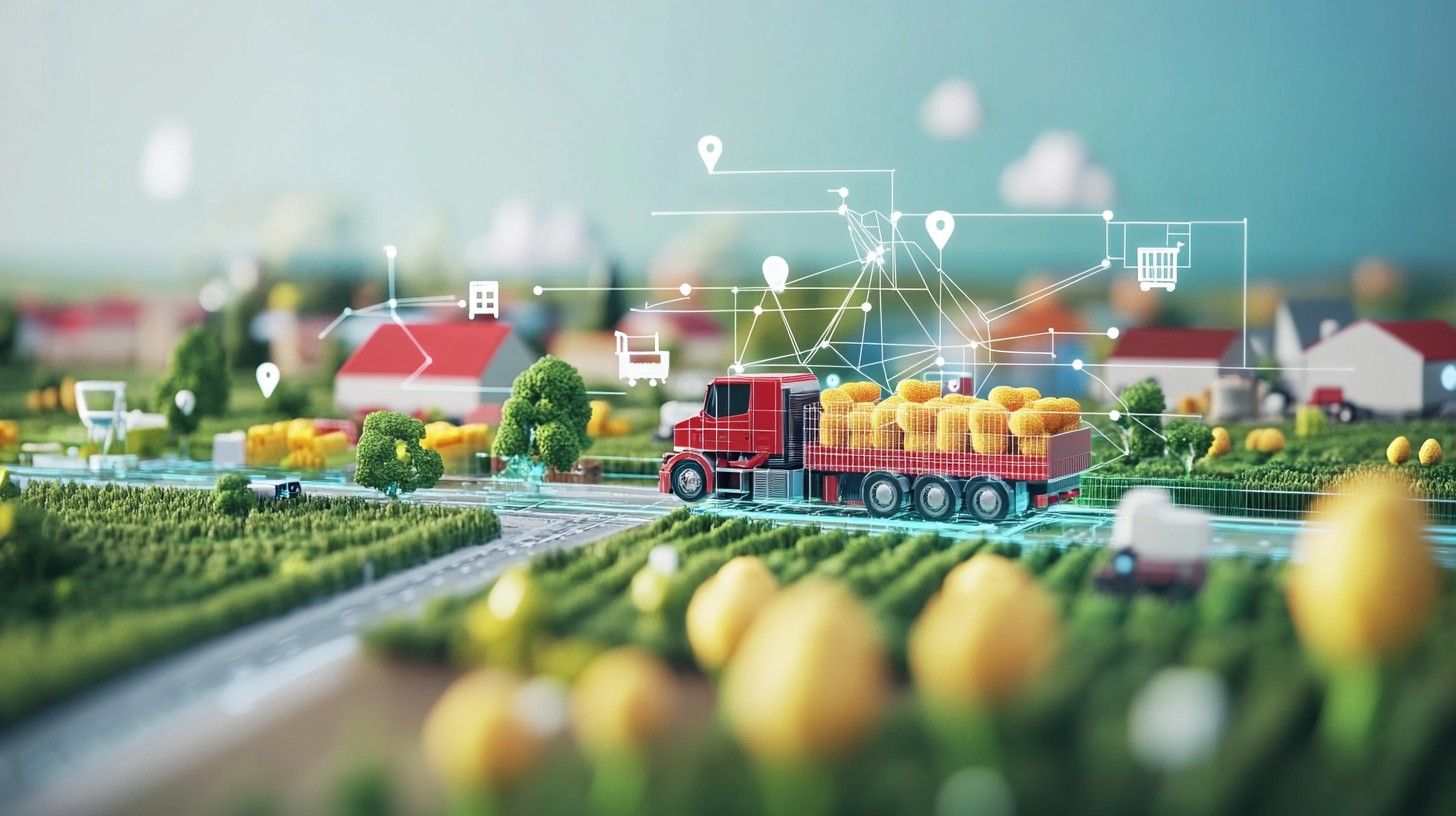
Many African agricultural supply chains suffer from inefficiencies, with food and resources often going to waste. Amini.ai helps businesses track goods, monitor logistics, and improve efficiency using AI-powered analytics.
4. Challenges in Deforestation and Land Management
Illegal deforestation and poor land use planning are significant concerns. Amini.ai uses AI and satellite monitoring to track forest loss, predict environmental degradation, and support conservation efforts.
Amini.ai’s Solutions and Technologies
Amini.ai has developed cutting-edge AI-powered solutions to collect and analyze environmental data at scale. Some of their key offerings include:
1. AI-Driven Data Collection
Amini combines satellite imagery, sensor networks, and AI models to collect accurate and real-time data on climate, soil conditions, and water levels. This is crucial for businesses, farmers, and policymakers who need reliable information for decision-making.
2. Predictive Analytics for Agriculture
Amini’s AI models can predict droughts, optimize irrigation, and forecast crop yields, helping farmers and agricultural businesses increase productivity and reduce losses.
3. Supply Chain Optimization
Using AI, Amini improves supply chain efficiency by tracking the movement of goods, reducing waste, and enhancing transparency. This is particularly useful in the agriculture and food industries.
4. AI-Powered Climate Risk Monitoring
Governments and environmental organizations use Amini’s climate data models to predict floods, droughts, and land degradation, allowing them to prepare for and mitigate disasters.
The Impact of Amini.ai
Amini is already transforming industries and communities across Africa. Some of its biggest impacts include:
- Helping Farmers Increase Yields – By providing data-driven insights, Amini enables farmers to make informed decisions about when and how to plant crops, leading to higher food production and less waste.
- Improving Climate Resilience – With AI-driven climate models, governments and businesses can prepare for environmental changes, making Africa more resilient to climate disasters.
- Enhancing Sustainability Efforts – Amini’s monitoring tools help conservation groups track deforestation and illegal mining, protecting Africa’s forests and ecosystems.
- Boosting Economic Growth – By optimizing supply chains and reducing inefficiencies, Amini helps businesses save money and improve productivity, driving economic growth.
Advantages of Amini.ai
Amini’s approach comes with several benefits that set it apart from other AI and data companies:
African-Focused Solutions – Unlike many global AI companies, Amini is built specifically for Africa’s challenges, ensuring its data and models are highly relevant.
Real-Time Data Collection – Amini provides live insights instead of relying on outdated reports, giving decision-makers up-to-the-minute information.
Scalable and Cost-Effective – The company’s AI-powered solutions are scalable across different industries, making them accessible to both small farmers and large corporations.
Sustainability-Driven – Amini is committed to environmental protection and sustainable development, making its impact long-lasting.
Challenges and Disadvantages
Like any company, Amini.ai faces a few hurdles:
- Limited Infrastructure in Some Regions – Some areas lack reliable internet or satellite connectivity, making data collection difficult.
- High Costs of AI Implementation – Although Amini’s solutions are cost-effective, setting up AI infrastructure can still be expensive for smaller organizations.
- Data Privacy Concerns – Handling vast amounts of environmental and agricultural data raises questions about security and privacy, which Amini must address carefully.
Testimonials: What People Are Saying
Amini.ai has already gained recognition, with farmers, businesses, and environmental groups praising its impact. Here are a few voices:
"Amini’s climate data has completely changed how we plan our farming. We no longer guess—we make decisions based on real information." – Farmer in Kenya
"We’ve been able to track illegal logging in our forests much more effectively, thanks to Amini’s AI-powered monitoring tools." – Conservationist in Ghana
"Amini’s AI-driven supply chain tracking has helped us reduce waste by 30%, saving us money and improving our business efficiency." – Agribusiness owner in Nigeria
My Take on Amini.ai
Personally, I believe Amini.ai is one of the most exciting tech startups to emerge from Africa in recent years. Their focus on solving real-world problems with AI-driven data solutions is exactly what Africa needs right now.
What I admire most about Amini is their commitment to sustainability and African-led innovation. They’re not waiting for global tech giants to step in—they’re building their own solutions tailored to the continent’s unique challenges.
However, I’d love to see more investment in local AI talent and increased government support to scale their impact even further. If Amini can expand its reach and refine its technology, it has the potential to reshape Africa’s agricultural and climate resilience efforts in a big way.
Final Thoughts
Amini.ai is more than just a data company—it’s a visionary force for change. By addressing Africa’s climate and agricultural data gaps, they are making a real impact on farmers, businesses, and policymakers.
As AI continues to evolve, companies like Amini will play a crucial role in ensuring that Africa is not left behind but instead becomes a leader in AI-driven sustainability solutions. This is just the beginning, and I’m excited to see how Amini continues to shape the future of AI in Africa.
Get Sasa by email
Generative AI, Africa now. One edition, no more than once a week.