Omdena Liberia: Technology with a Human Heart
AI protecting real lives in Liberia
We dare to solve the problems that statistics can’t describe, but people feel every day.
The Issue: The "Invisible" Barriers to a Safer Liberia
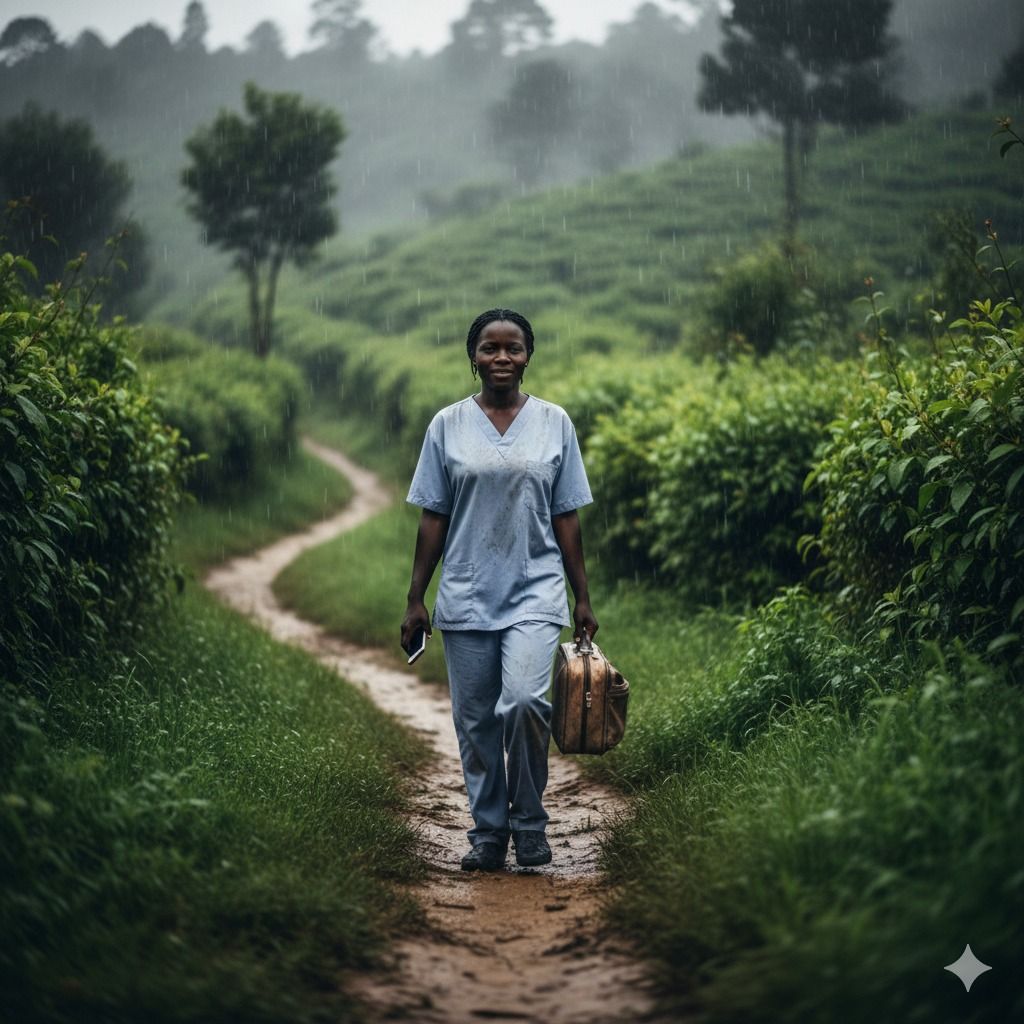
Meet Kou, a community health worker in the lush, rainy hills of Nimba County. She is the heartbeat of her village, but her spirit is often tested by things beyond her control:
- The Midnight Fever: Watching a mother’s panic when her child develops a sudden malaria fever, knowing the nearest clinic is miles away and may not have enough bed nets.
- The "Dey Say" Shadow: In Liberia, misinformation isn’t just "fake news"—it’s called “Dey Say.” It’s a whisper that starts on a street corner, travels to a WhatsApp group, and can end in real-world violence or a family refusing life-saving vaccines.
- Resource Blindness: Knowing that help is out there, but also knowing that the people with the supplies can’t see the small, muddy road leading to her specific community.
- The Missing Seat at the Table: Seeing young Liberian tech graduates with brilliant minds but no path to use their skills to help their own neighbors.
Across Liberia, the challenge isn't just a lack of data; it's a lack of empathy-driven technology. What Kou and her community need isn't just a donor report. They need AI that understands the sound of a whisper and the pattern of the rain.
Omdena Liberia: Building a Community, Not Just a Company
Omdena Liberia isn't a faceless corporation. It’s a collaborative movement. It’s where a developer in Monrovia sits (virtually) next to an engineer in London to build tools specifically for Liberia.
Its mission is deeply human: “To ensure that the power of AI belongs to the people of Liberia: to protect their health, their peace, and their truth.”
How Omdena Liberia Uses AI for the People
1. Fighting the "Dey Say" (The Information Shield)
Misinformation in Liberia has nearly brought the nation to the brink before. Omdena’s Fake News Detector is built to protect the truth. Using Natural Language Processing (NLP), this AI acts as a digital elder:
- Listening for Harm: It analyzes social media patterns to spot inflammatory "Dey Say" rumors before they turn into "Dey Fight."
- Verifying with Heart: It doesn't just "flag" content; it aims to explain why something is biased, helping users like Kou’s neighbors become more critical, informed citizens.
2. Predicting the Rain, Saving the Children
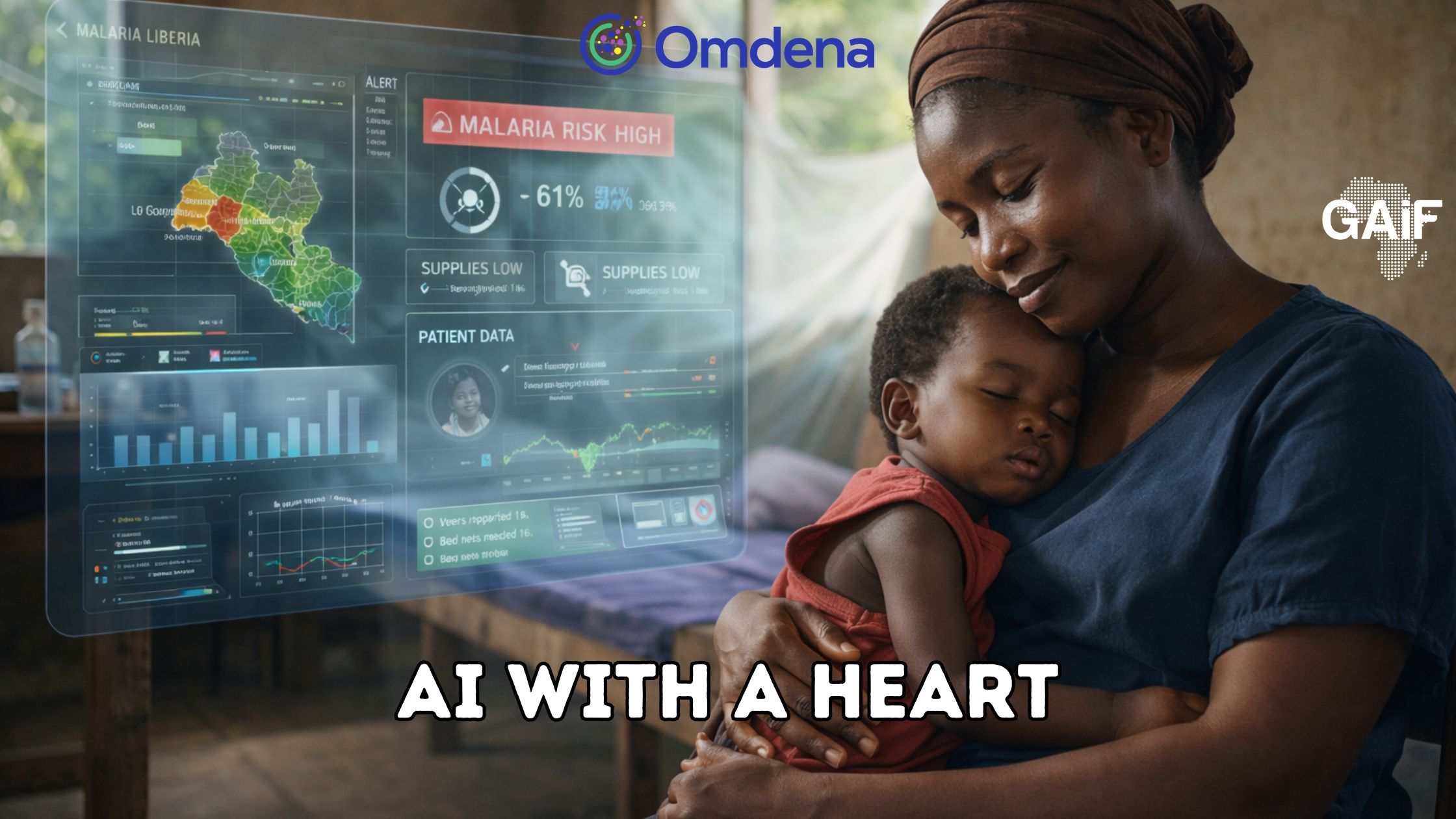
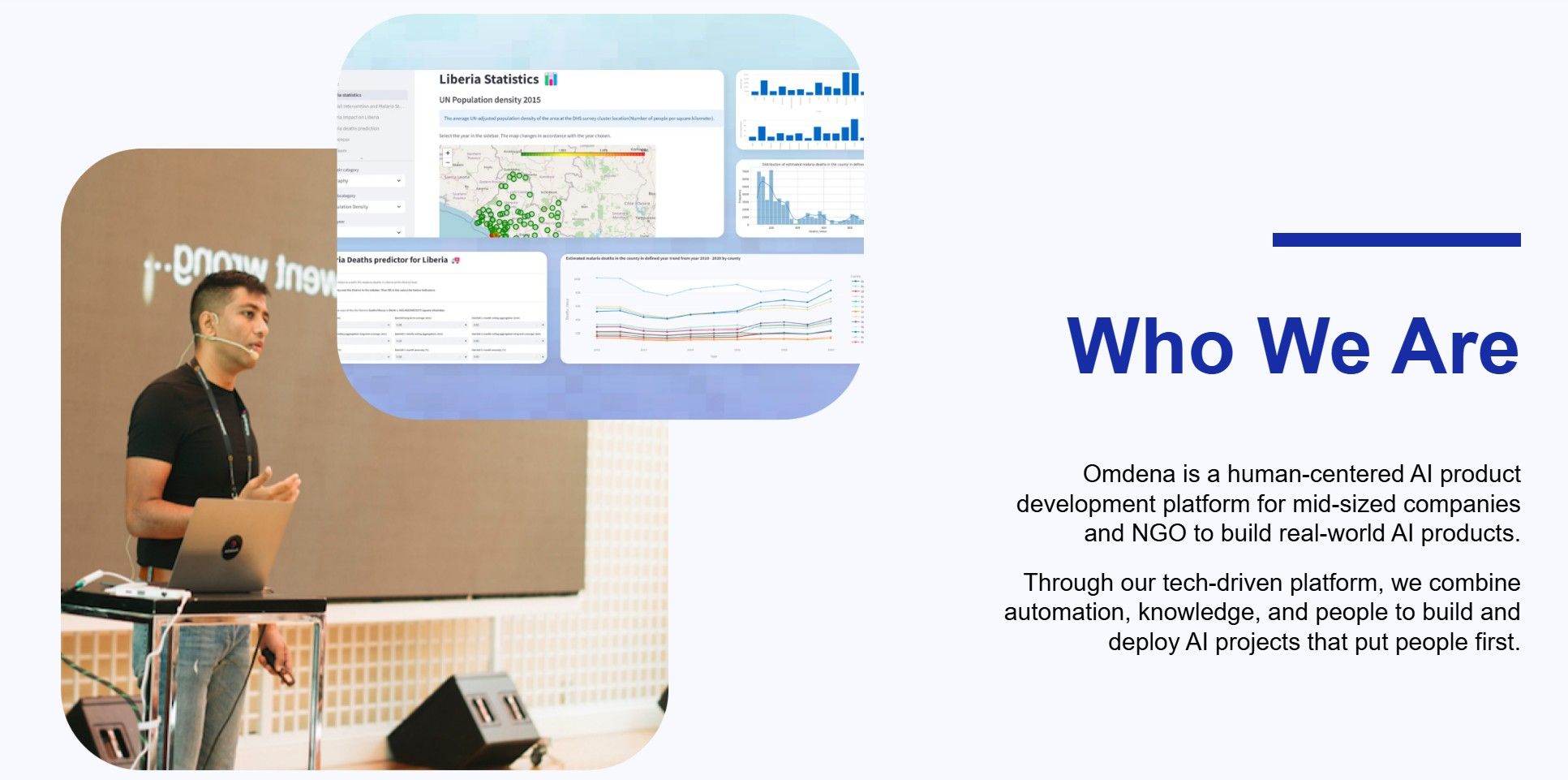
Malaria is a part of life in Liberia, but Omdena believes it shouldn't be a part of death. Their Predictive Malaria App uses Machine Learning to:
- See the Unseen: By looking at satellite maps of stagnant water and historical rainfall, the AI predicts where mosquitoes will strike next.
- Alert the Frontline: It sends a "early warning" to health workers like Kou, so she can get the medicine and nets before the first child falls ill.
Why Omdena Liberia Is Different
- Built by Us, for Us: Every project is led by Liberian data scientists who understand the local culture, language, and challenges.
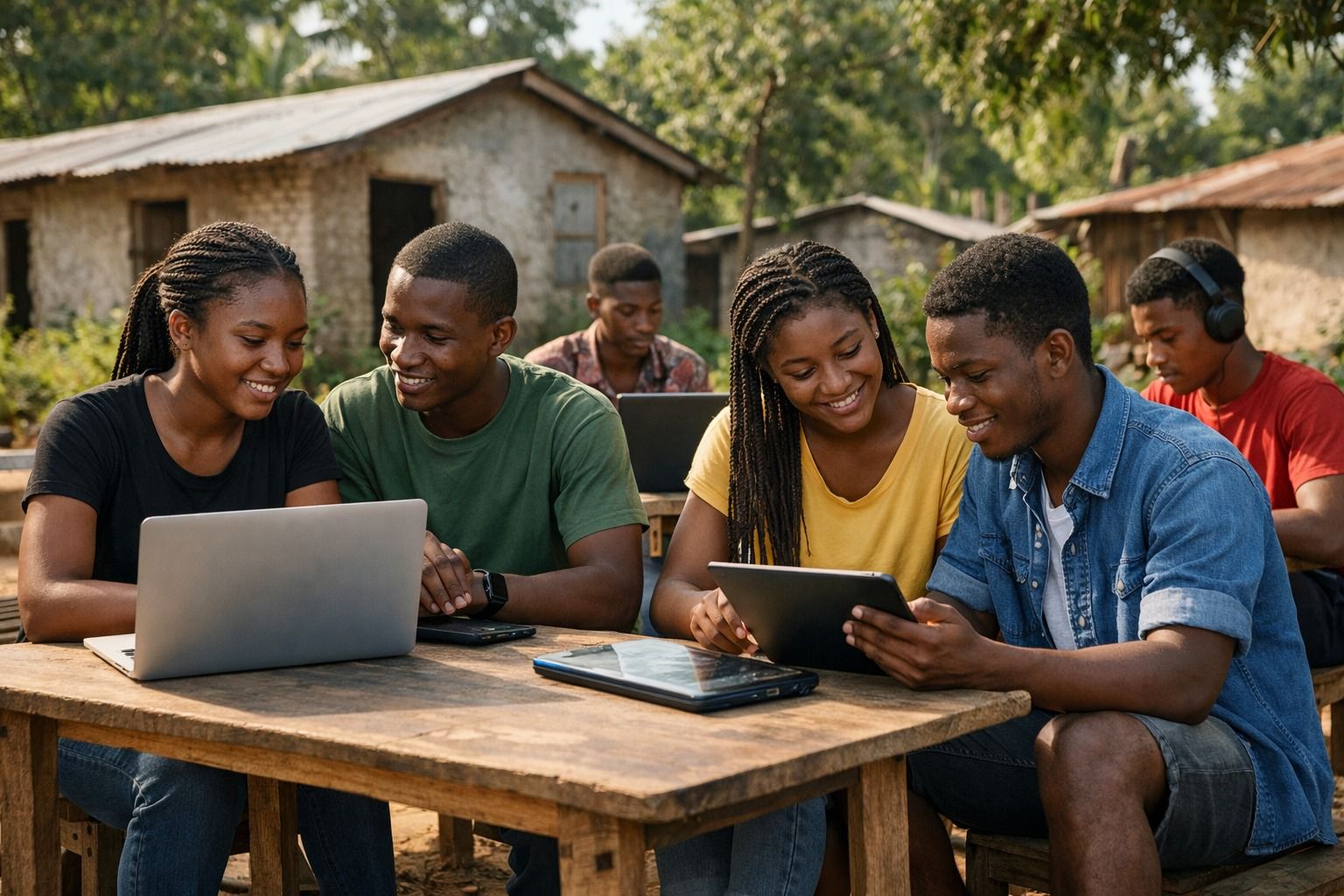
- A Classroom Without Walls: It provides a free path for young Liberian "techies" to learn AI by solving real problems in their own backyards.
- Empathy Over Algorithms: They don’t just build code; they build hope. They measure success by lives saved and rumors stopped, not just "accuracy scores."
Omdena doesn’t just build code: it builds a bridge between a local problem and a global solution.
Impact: The Story of a Safer Tomorrow
Omdena Liberia is already rewriting the script:
- The student: A young graduate in Monrovia who used to only dream of AI is now leading a project that detects election-related hate speech.
- The Mother: A woman in a rural village who is less likely to lose her toddler to malaria because her clinic was ready for the outbreak.
- The Nation: A country that is slowly becoming more resilient against the chaos of digital lies.
For Kou, this means her phone is no longer just a tool for calls, it’s a shield. It tells her when the malaria risk is high and helps her distinguish truth from "Dey Say." Her community is no longer forgotten. It is seen, it is heard, and it is protected by AI with a human heart.
Get Sasa by email
Generative AI, Africa now. One edition, no more than once a week.