Africa's AI Awakening: How Lelapa AI Is Making Technology That Talks Our Languages
AI made for African Languages
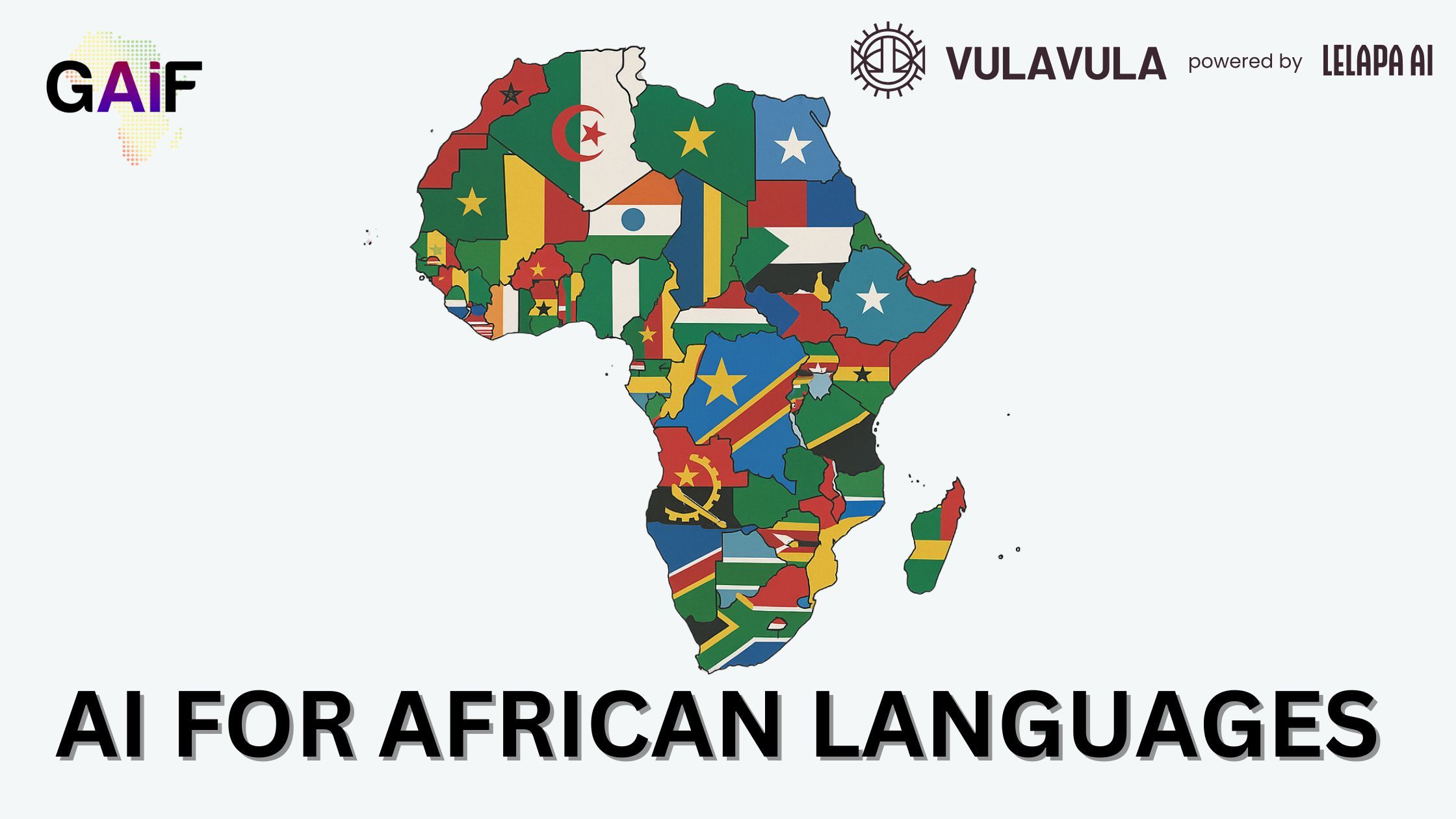
"If artificial intelligence is the future, it should speak everyone's language—especially yours."
When AI Isn't Speaking Your Language, Make One That Is
In 2023, AI was in the news. Tools like ChatGPT, Bard, and Claude amazed millions—except for the people left behind.
Tens of millions of users in Africa were in the dark. Why? Because these AI tools did not speak isiZulu, Yoruba, Swahili, and dozens of other African languages. They were not programmed to. The underlying data just glosses over the African continent's rich linguistic, cultural, and contextual diversity.
Step aside Lelapa AI, a Johannesburg-based startup co-founded by Pelonomi Moiloa and Jade Abbott. Their mission is not to emulate Silicon Valley. It's to build what Big Tech hasn't: AI for Africa, in African languages, built by African people.
At its heart, Lelapa—which means "home" or "family" in Sesotho and Setswana—is rewriting the narrative of AI. One in which Africa is not just consuming innovation but producing it.
Frustration to Revolution: The History of Lelapa Origins
Moiloa and Abbott first came across each other at the Deep Learning Indaba conference in Johannesburg, both frustrated that Africans were barely visible in AI research.
Moiloa, a former biomedical and electrical engineer turned data scientist, and Abbott, an old machine learning researcher, weren't comfortable with a footnote in world AI. They desired to recraft the way it's done—and for whom.
In 2022, they established Lelapa AI. Supported by Mozilla Ventures, Atlantica Ventures, and a nascent ecosystem of African AI talent, Lelapa secured $2.5 million in seed funding and assembled a world-class team of technologists, linguists, and social scientists.
What They're Building: Language Tech That Listens—and Responds
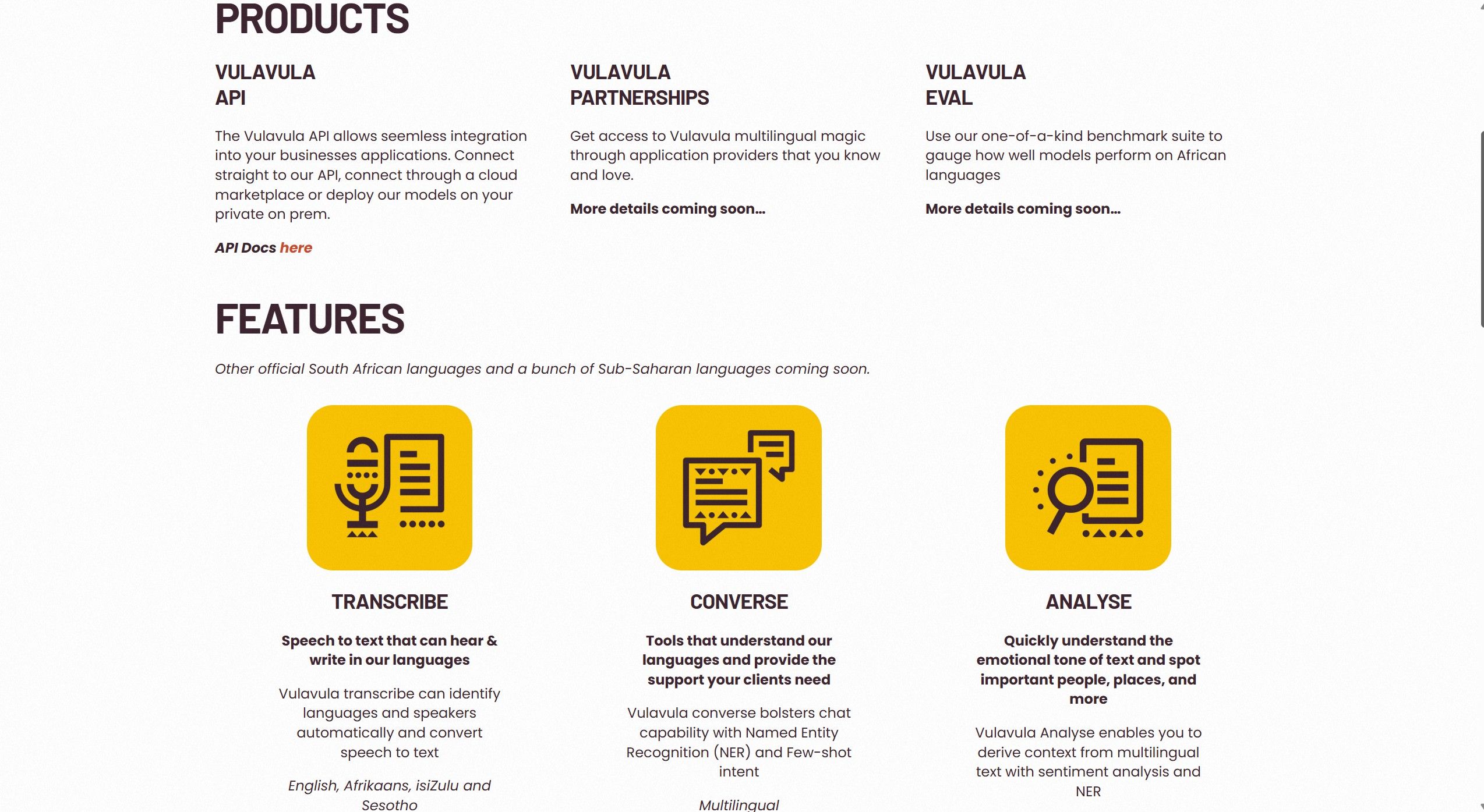
Vulavula: AI That Understands African Speech
Lelapa's flagship product is Vulavula, a multilingual natural language processing (NLP) engine optimized for African languages.
Unlike generic tools that struggle with African pronunciation and grammar, Vulavula offers:
- Transcription – Transcribe spoken isiXhosa or Hausa into accurate written form.
- Conversational AI – Enable smooth, native-language voice dialogue.
- Sentiment and Entity Analysis – Local dialect and environment optimized.
- Translation – Translate between African languages—English not required.
- Speech Synthesis – Generate voice output in authentic local accents.
This is not African data forced into Western tools. It's language technology grounded in Africa.
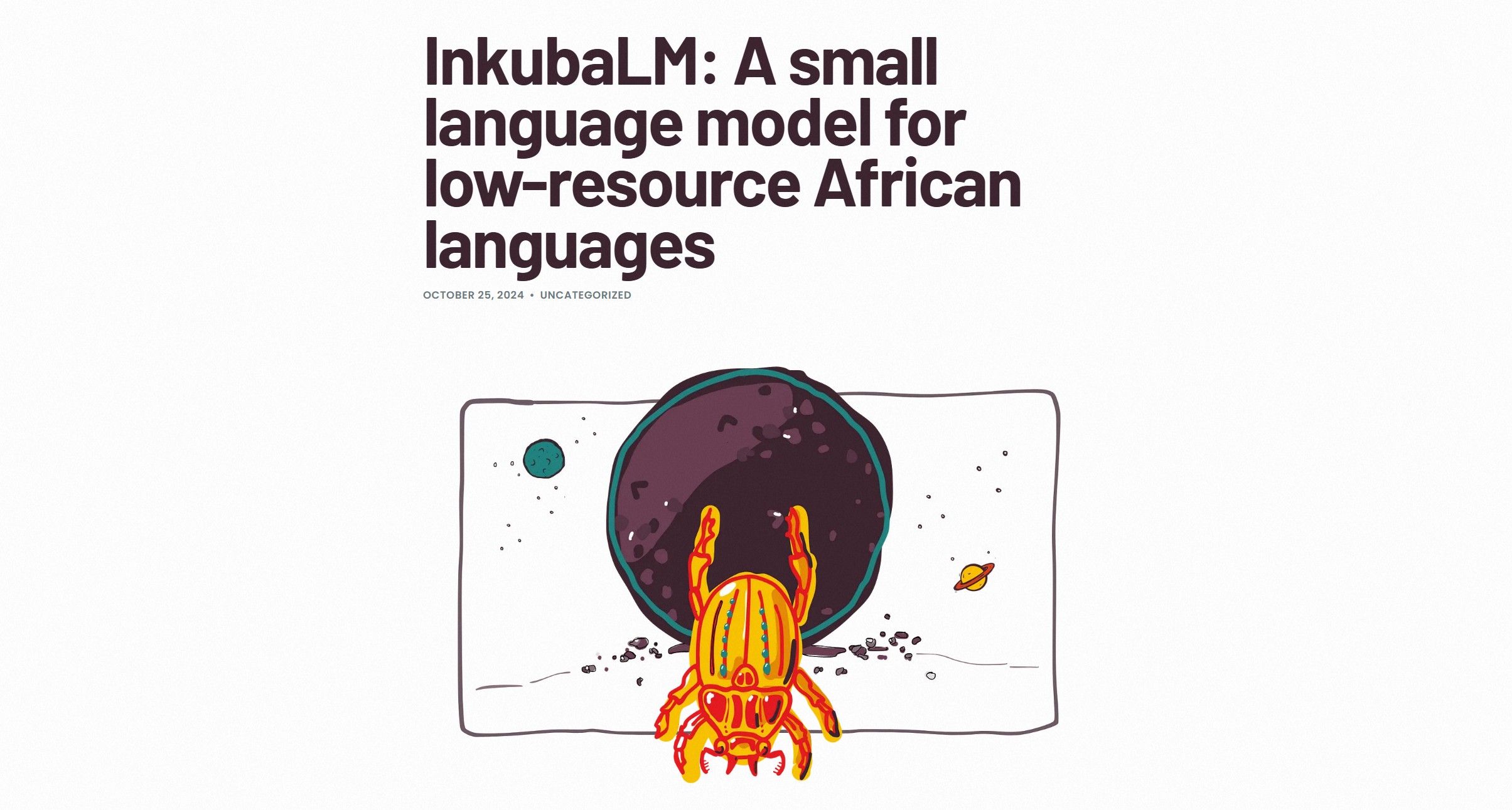
InkubaLM: The Compact African Language Model
Committed to the isiZulu term for dung beetle, InkubaLM is Lelapa's lightweight multilingual language model. Developed on 1.9 billion tokens across five African languages (including English and French), it's designed to operate even on low-resource hardware—a necessity in regions of low connectivity.
InkubaLM includes:
- Inkuba-Mono – A monolingual African dataset built from the ground up.
- Inkuba-Instruct – A task dataset that allows summarization, translation, and Q&A.
This is not a tech demo. It's a research-grade model built with an Africa-first approach.

Why It Matters: Representation, Preservation, and Power
Lelapa AI is tackling one of Africa's most under-discussed digital challenges: linguistic exclusion in technology.
Their tools make a real-world difference:
- ✅ Digital Inclusion – AI can be accessed in one's own language.
- ✅ Cultural Preservation – Native languages are recorded, digitalized, and given new life.
- ✅ Business Transformation – Brands can reach out to customers naturally in their own language.
- ✅ Brain Gain – Foreign-based African AI engineers are finding new reasons to come back home.
Through the development of inclusive, language-sensitive AI, Lelapa is making Africa not only replicate the future but help shape it.
No Shortcuts: There Are Real Challenges to Building African AI
Innovation doesn't come cheap, of course. Lelapa AI has challenges Big Tech hardly ever worries about:
- ⚠️ Data Gaps – No large public datasets for many African languages.
- ⚠️ Tech Constraints – No high-end devices or stable internet in most communities.
- ⚠️ Funding Pressure – Long-term impact requires long-term vision and funding.
But Lelapa isn’t trying to “localize” existing tech. They’re building from the ground up—with Africans, for Africans.
“We’re not making tools for Africans. We’re making tools with Africans,” says Moiloa.
That’s the difference. And that’s the point.
Looking Ahead: What a Truly Global AI Future Looks Like
Lelapa AI is doing more than building tools. They’re reshaping the ethical foundations of artificial intelligence.
By resisting digital colonialism and honoring linguistic diversity, they're demanding that AI must serve all of humanity—not just English-speaking, tech-elite few.
Because if AI is smart, it needs to speak our languages. Not English. Not code. But our lived, emotional, local languages that tint how we experience the world.
Get Sasa by email
Generative AI, Africa now. One edition, no more than once a week.